An injector fault can cause difficult starting, rough running, misfire, smoke or a loss of power. The same symptoms can also come from ignition, compression, air leaks or fuel supply. Establish which system and cylinder are affected before replacing an injector.
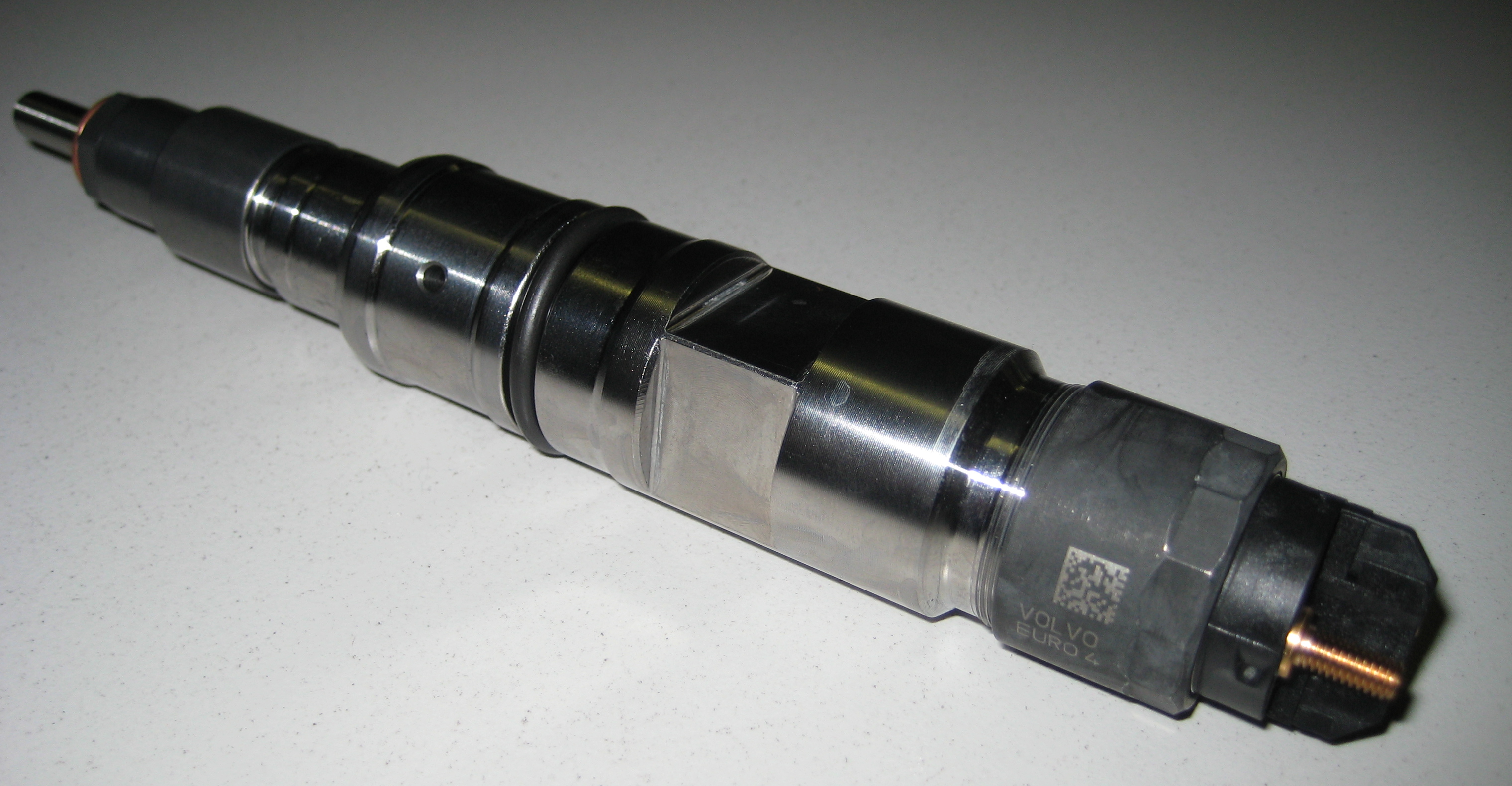

Quick symptom guide
| Symptom | Checks to consider |
|---|---|
| Long crank or difficult start | Battery and cranking speed, fuel supply, rail pressure, temperature and compression; excessive injector return is one possible diesel cause. |
| Rough idle or a misfire | Identify the affected cylinder, check wiring and control, then distinguish fuel delivery from compression and, on petrol engines, ignition. |
| Smoke or fuel smell | Check combustion, injectors, air supply and leaks. Smoke colour alone does not identify a failed injector. |
| Power loss under load | Compare requested and actual fuel pressure; investigate supply, filter, pump, regulation and air/boost system as appropriate. |
| Injector circuit fault | Inspect the connector, harness, supply and driver using the correct wiring and test procedure. A circuit code does not prove the injector itself is defective. |
Identify the injection system
Port-injected petrol engines place injectors in or near the intake ports. Petrol direct injection delivers fuel into the cylinder using a high-pressure system. Diesel common rail uses a high-pressure rail feeding individual injectors; mechanical and unit-injector systems work differently. Identify the engine and injector type before choosing a test or replacement.


Before testing
High-pressure fuel can penetrate skin and cause serious injury. Diesel common-rail and petrol direct-injection systems can remain pressurised after shutdown. Do not loosen a high-pressure pipe with the engine running, search for leaks by touch, or rely on elapsed time alone. Follow the manufacturer's depressurisation, isolation and leak-check procedure and use equipment rated for the system. High-pressure fuel injection injury requires immediate emergency medical attention.
Observe the manufacturer's electrical precautions: some injector circuits use high-voltage or rapid-pulse drives. Use appropriate test equipment and do not power or probe an unidentified injector directly.
Practical diagnostic sequence
- Record the complaint. Note cold or hot starting, engine load, speed, smoke, warning lights, fuel consumption and recent work. Check fuel type and service history.
- Save fault codes and freeze-frame data. Record misfire, injector circuit, rail-pressure and other relevant faults before clearing anything. A code is a starting point, not a parts list.
- Inspect with the system made safe. Check connectors, wiring, fuel leaks, fuel filter condition, intake pipes and signs of contamination. Follow the correct isolation procedure before opening any fuel circuit.
- Review live data. Compare requested and actual rail pressure at the conditions specified for the engine. Check misfire counts and cylinder corrections where supported, as well as relevant engine temperatures and air readings.
- Isolate the affected system or cylinder. A contribution test or correction value can identify where to investigate, but a compression, ignition or mechanical problem can also change the result.
- Test supply and control. Use vehicle-specific pressure, electrical and actuator tests. Check the supply side, pump and pressure regulation as well as the suspected injector.
- Use an approved injector test where justified. A suitable diesel return test or specialist bench test can add evidence. Select the method for the injector and return-system design.
- Repair and verify. Address the cause of contamination or damage. Refit using specified seals and fasteners, enter injector calibration codes where required, and repeat the original test and fault scan.
Diesel common-rail injector checks
Rail pressure and return flow
Low rail pressure can result from a restricted low-pressure supply, air ingress, pump or regulator trouble, excessive return flow, sensor faults or other causes. Compare pressure demand and actual pressure during the condition in which the fault occurs, then follow the engine-specific test plan. See common-rail fuel system tests.
Some common-rail injectors return a controlled quantity of fuel for their operation, cooling and lubrication. A permitted return-flow comparison can reveal an injector with excessive leakage or an unusual imbalance. Compare both individual amounts and differences with the correct engine and test conditions; there is no universal return volume. A normal return test does not prove the nozzle spray, delivered quantity or operation at every pressure and load are correct.
Return circuits differ. Some require maintained back-pressure, including certain piezo systems. Do not disconnect or restrict a return circuit unless the manufacturer and test-equipment procedure specifically allow it. Pico's example back-leakage test is limited to specified low-return-pressure solenoid systems and warns against using that method on piezo or higher-return-pressure systems.
Cylinder corrections and electrical checks
Correction values show how the ECU is compensating under particular conditions; they are not a direct measurement of injector flow. Compression, valve timing, wiring and other cylinder faults can affect the values. Compare them under the manufacturer's stated conditions and confirm the suspected cause with an appropriate independent test.
A scope or manufacturer-approved electrical tester can examine a control signal where appropriate. Signal shape, resistance and drive strategy differ between injector types. A sound electrical test does not prove spray quality or delivery. Delphi's electrical test example is for its specified solenoid injectors and equipment.
Bench testing and coding
A specialist bench can assess delivery and return at specified test points and inspect nozzle performance using the correct test plan. Ask for the injector identification, test conditions and results. If contamination is found, investigate the tank, filter, pump and fuel lines as the manufacturer's procedure requires; fitting a replacement without addressing the source can repeat the fault.
Some engines require the injector's calibration code to be entered in the correct cylinder position. Coding tells the controller about the fitted injector; it does not repair a mechanically faulty injector. Use the vehicle's identification and coding procedure. See diesel injector test results and coding.
Petrol injector checks
For a petrol misfire, establish whether ignition, compression, an intake leak or fuel delivery is responsible before replacing an injector. On port injection, a specialist may test flow, leakage and spray pattern using the correct bench and fuel. Electrical response alone does not establish that the injector seals or flows correctly.
Direct-injection petrol systems require their own high-pressure test, removal and refitting procedures. Seals, replacement fasteners and coding or adaptation requirements vary by design. Follow the manufacturer's instructions, and use a specialist test service where on-vehicle checks are inconclusive. See petrol injector testing and cleaning and refitting.
Air metering and intake leaks can resemble fuelling problems. See common MAF sensor faults.
How injector faults relate to DPF, EGR and boost
A fuelling fault can contribute to poor combustion and soot; a DPF warning still needs its own pressure, sensor and regeneration diagnosis. Air leaks, EGR faults, low boost and fuel-supply problems can also resemble an injector complaint. Follow the evidence rather than assuming that a fault in one system proves a fault in another.
- Common DPF faults: soot loading, pressure measurement and regeneration.
- Common EGR faults: valve movement, flow and control checks.
- Turbo diagnostics: boost measurement, control and related sensor faults.
- Injector faults: further detail on diesel and petrol fault patterns.
Fuel-pump and supply faults can affect rail pressure. See common fuel pump faults for pressure, supply and Bosch CP4 checks.
Before interpreting a suspect rail-pressure reading, see common fuel pressure sensor faults.
After repair
Check for fuel leaks using the prescribed method, verify any required injector coding and adaptations, and confirm correct starting, idle and operation under the original fault conditions. Recheck fault memory and relevant live data. If the issue returns, revisit fuel supply, wiring, air and engine mechanical condition rather than repeating parts replacement.