Country of origin: United Kingdom. Founded: 1904 (first car), 1906 (Rolls-Royce Limited). Current maker: Rolls-Royce Motor Cars Limited, a BMW Group subsidiary at Goodwood, West Sussex, since 2003. Part of Car makes and the history of the motor car.
Rolls-Royce cars began with Henry Royce's 10 hp of 1904 and its sale through Charles Rolls's dealership. The car business has had four main eras:
- Rolls-Royce Limited (1906–1971): Manchester, then Derby, then Crewe from 1946. The company also built aero engines.
- Rolls-Royce Motors (1971–1980): separated from the aero-engine business after the 1971 receivership and floated in 1973.
- Vickers (1980–1998).
- BMW (from 1998): BMW acquired the name and built a new factory at Goodwood. Volkswagen kept the Crewe works, which now builds only Bentleys.
Today's Rolls-Royce Motor Cars has no ownership link to Rolls-Royce plc, the aero-engine and power-systems group.
The marque built its own engines until the late 1990s: early twins, threes, fours and sixes, the Phantom III V12, the B-series sixes and eights, and the L410 aluminium V8. Since the 1998 Silver Seraph its petrol engines have been BMW V12s, and since 2023 it has also built the electric Spectre. Engines and engine management are covered in detail on Rolls-Royce engines and engine management.

History
Royce, Rolls and the first cars, 1904–1906
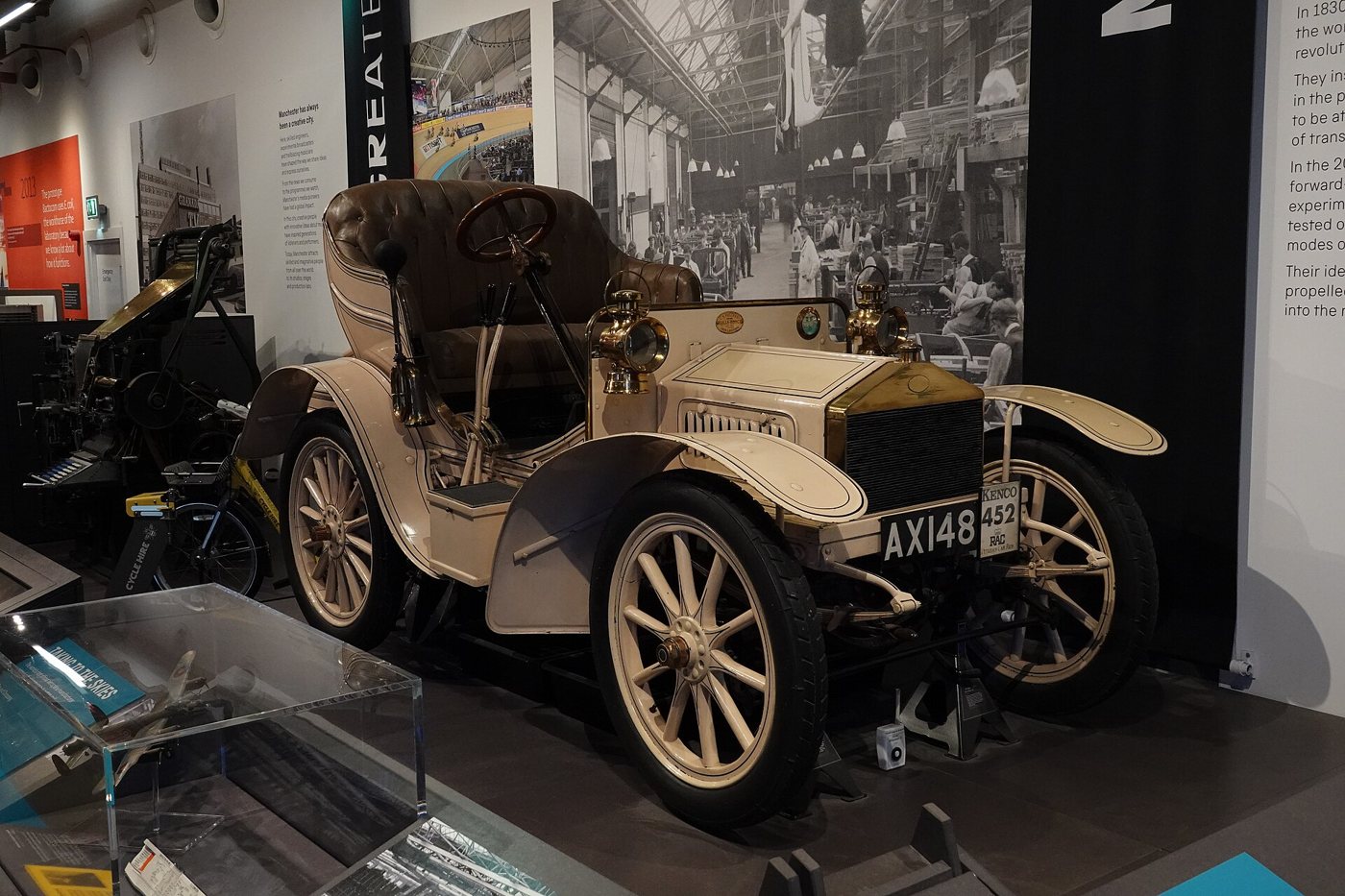
Henry Royce founded F. H. Royce & Co., an electrical crane and dynamo maker, in Manchester in 1884. It was re-registered as Royce Ltd in 1899. Royce bought a French 10 hp Decauville in 1902 and used it as the starting point for a car of his own design. His first engine ran on the test bed on 16 September 1903, and the first Royce 10 hp took to the road on 1 April 1904.
Charles Rolls ran one of Britain's first car dealerships, C.S. Rolls & Co., trading by 1902–1903. Henry Edmunds introduced the two men at the Midland Hotel, Manchester, on 4 May 1904. Under an agreement of 23 December 1904, C.S. Rolls & Co. took every car Royce Ltd could build, to be sold as Rolls-Royce. The first cars were shown at the Paris Salon that month.
During 1905 the range grew to two-, three-, four- and six-cylinder models, plus three experimental V8s. Rolls won the 1906 Isle of Man Tourist Trophy in a Light 20. Rolls-Royce Limited was registered on 15 March 1906.

The Silver Ghost and Derby, 1906–1914
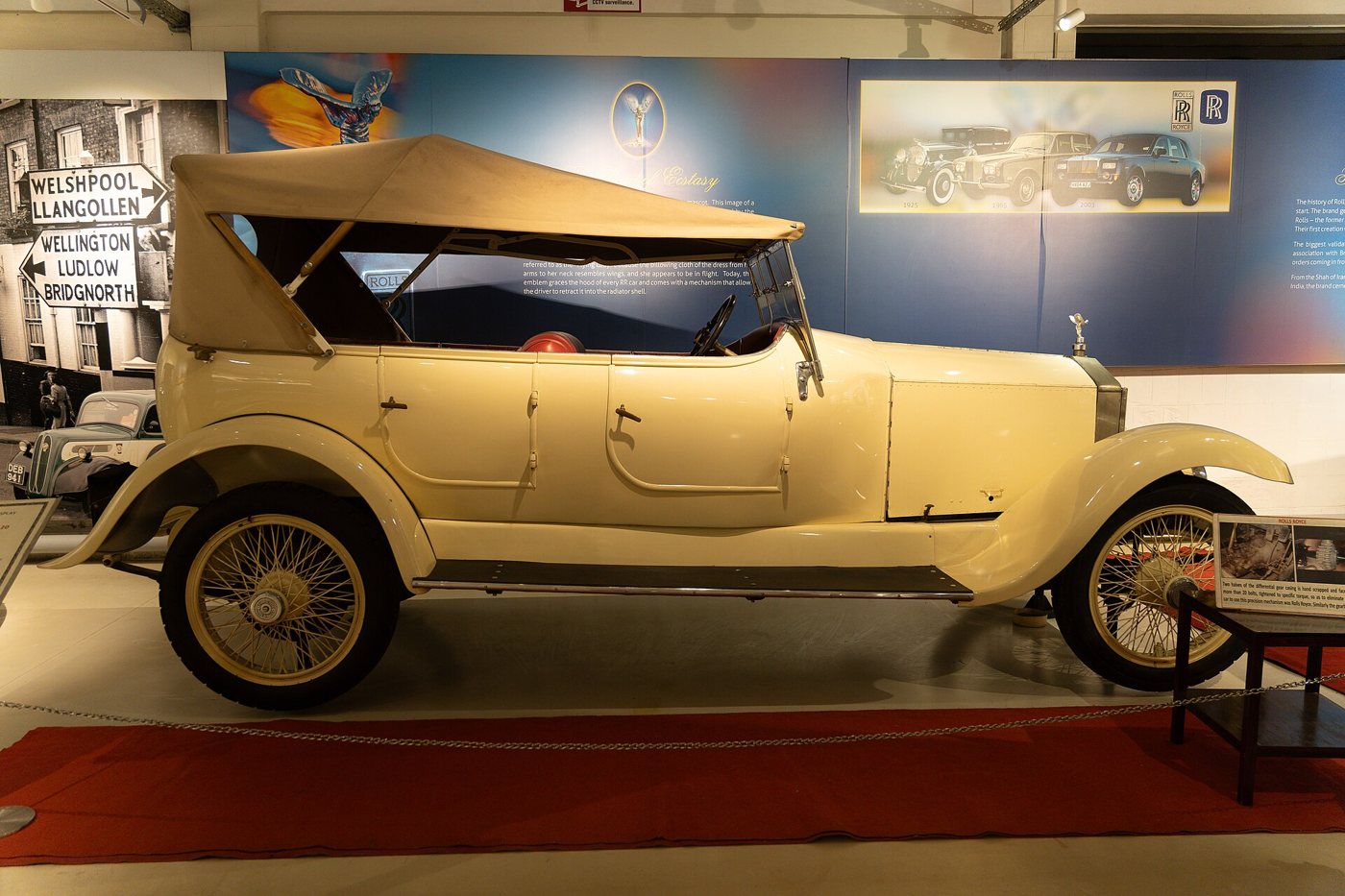
The 40/50 hp six was launched in 1906. Claude Johnson, the company's commercial director, named chassis 60551 "The Silver Ghost". It completed the Scottish Reliability Trial and then a 15,000-mile near-continuous trial in 1907, establishing the marque's reputation.
In March 1908 the board adopted a one-model policy built around the 40/50. Production moved to a new works at Derby, opened in July 1908. Later demonstrations followed:
- 1911: a 40/50 drove from London to Edinburgh in top gear, then reached 101.8 mph at Brooklands.
- 1913: the Alpine Trial team took first and third places. This led to the "Continental" or "Alpine Eagle" model.
Charles Rolls was killed on 12 July 1910, when the tail of his Wright Flyer failed at a flying meeting at Bournemouth.
War, Springfield and Bentley, 1914–1939
From 1914 Rolls-Royce built aero engines at the government's request, beginning with the Eagle in 1915. The 40/50 chassis was also the basis of the Rolls-Royce armoured car.
From 1921 to 1931 a factory at Springfield, Massachusetts, built Silver Ghosts and Phantom Is for the United States. After the war the range widened:
- The smaller Twenty (1922) for owner-drivers.
- The Phantom (1925) and Phantom II (1929).
- The 20/25, 25/30 and Wraith.
- The V12 Phantom III (1936).
In 1931 Rolls-Royce bought the bankrupt Bentley Motors through a nominee and formed Bentley Motors (1931) Ltd. The first "Derby Bentley" followed in 1933. Sir Henry Royce died on 22 April 1933. Rolls-Royce completed its purchase of the coachbuilder Park Ward in 1939, and car production stopped for the Second World War.
Crewe and the standard steel cars, 1946–1970
Construction of a government shadow factory for Merlin aero engines at Pym's Lane, Crewe, began in 1938. In 1946 car production moved there from Derby.
The first post-war cars changed how Rolls-Royce sold its products:
- Silver Wraith (1946): a rolling chassis for outside coachbuilders.
- Silver Dawn (1949): the first Rolls-Royce sold with a factory body. Its standard steel saloon was built by Pressed Steel and shared with the Bentley Mark VI and R Type.
- Silver Cloud (1955): continued the standard steel body. The V8 arrived with the Silver Cloud II in 1959.
- Silver Shadow (1965): the first monocoque Rolls-Royce and the first offered only as a complete car.
Rolls-Royce bought H.J. Mulliner in 1959 and merged it with Park Ward in 1961 as Mulliner Park Ward, at Willesden. Mulliner Park Ward bodied most Phantom V and VI limousines, the two-door Silver Shadows and the Corniche.
Receivership, Rolls-Royce Motors and Vickers, 1971–1997
Rolls-Royce Limited went into receivership on 4 February 1971, mainly because of cost overruns on the RB211 jet engine. The government bought the aero-engine business as Rolls-Royce (1971) Ltd, which was privatised in 1987 as Rolls-Royce plc. The receiver placed the cars and diesels in Rolls-Royce Motors, which was floated on the stock market in May 1973. Vickers bought Rolls-Royce Motors in 1980.
The Crewe range of this period was built on two platforms:
- Silver Shadow platform: the Silver Shadow II, Corniche and Camargue.
- Silver Spirit platform (from 1980): the Silver Spirit and Silver Spur.
The Silver Spirit was developed through four series. Fuel injection, Bosch Motronic management and, in the 1990s, light-pressure turbocharging were added along the way.

The 1998 division
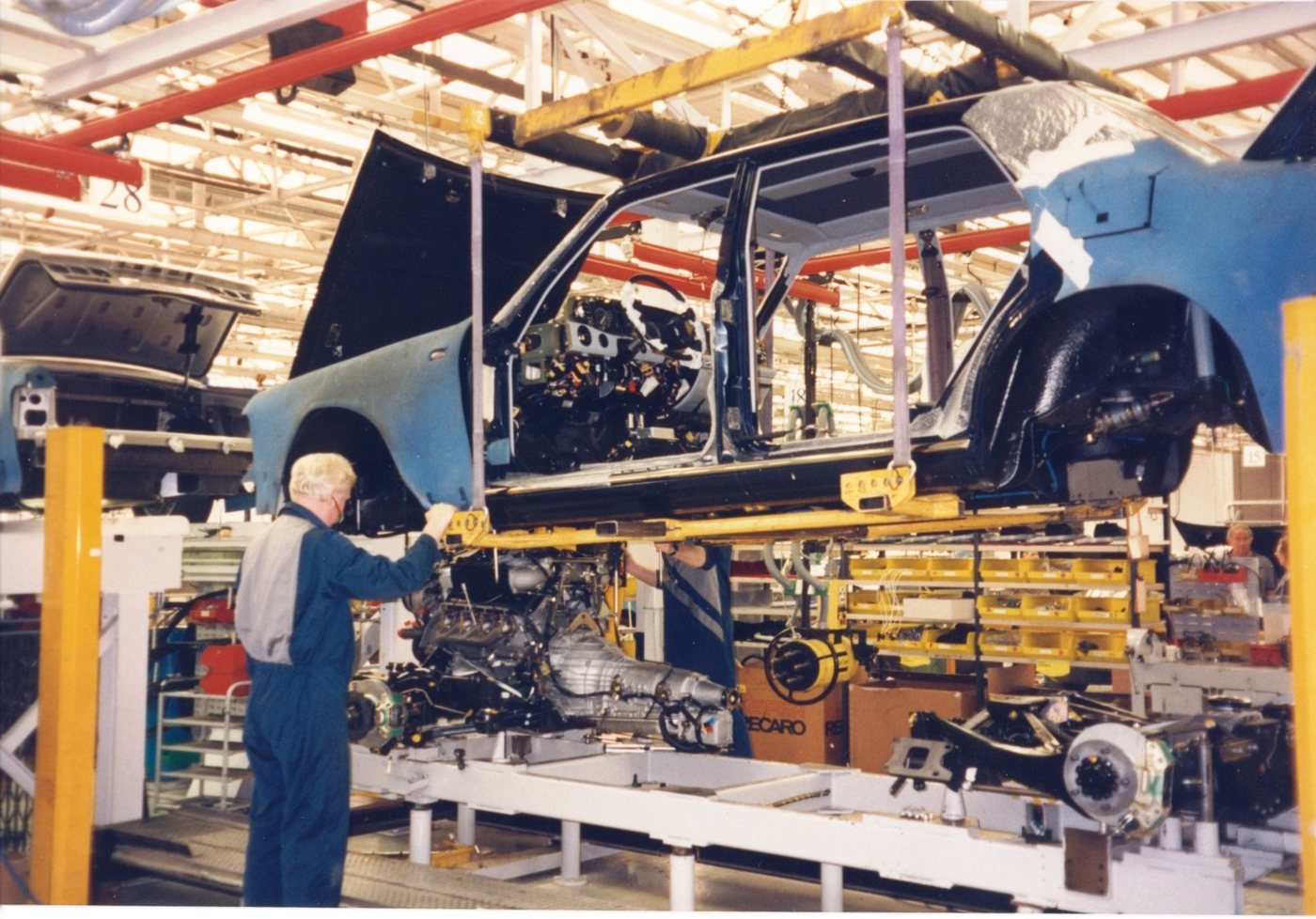
Vickers sold Rolls-Royce Motors to Volkswagen in 1998 for £430 million, outbidding BMW. The sale covered the Crewe works, Bentley and the rights to the existing models. However, the Rolls-Royce name and "RR" badge belonged to Rolls-Royce plc. On 28 July 1998 that company licensed them to BMW for about £40 million. BMW also obtained the Spirit of Ecstasy mascot and radiator-grille trademarks.
Under the settlement, Volkswagen could build Rolls-Royce cars at Crewe until the end of 2002, with BMW continuing to supply engines. From 1 January 2003 only BMW could build Rolls-Royce cars, and Crewe has built only Bentleys since then. The last Crewe Rolls-Royce, Corniche chassis 2079, was completed on 30 August 2002.
Goodwood, 2003 onwards
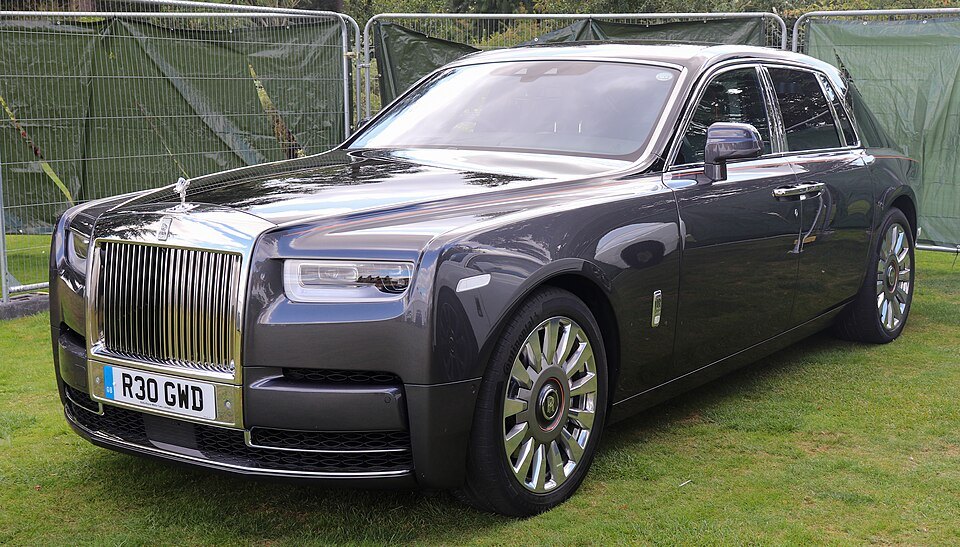
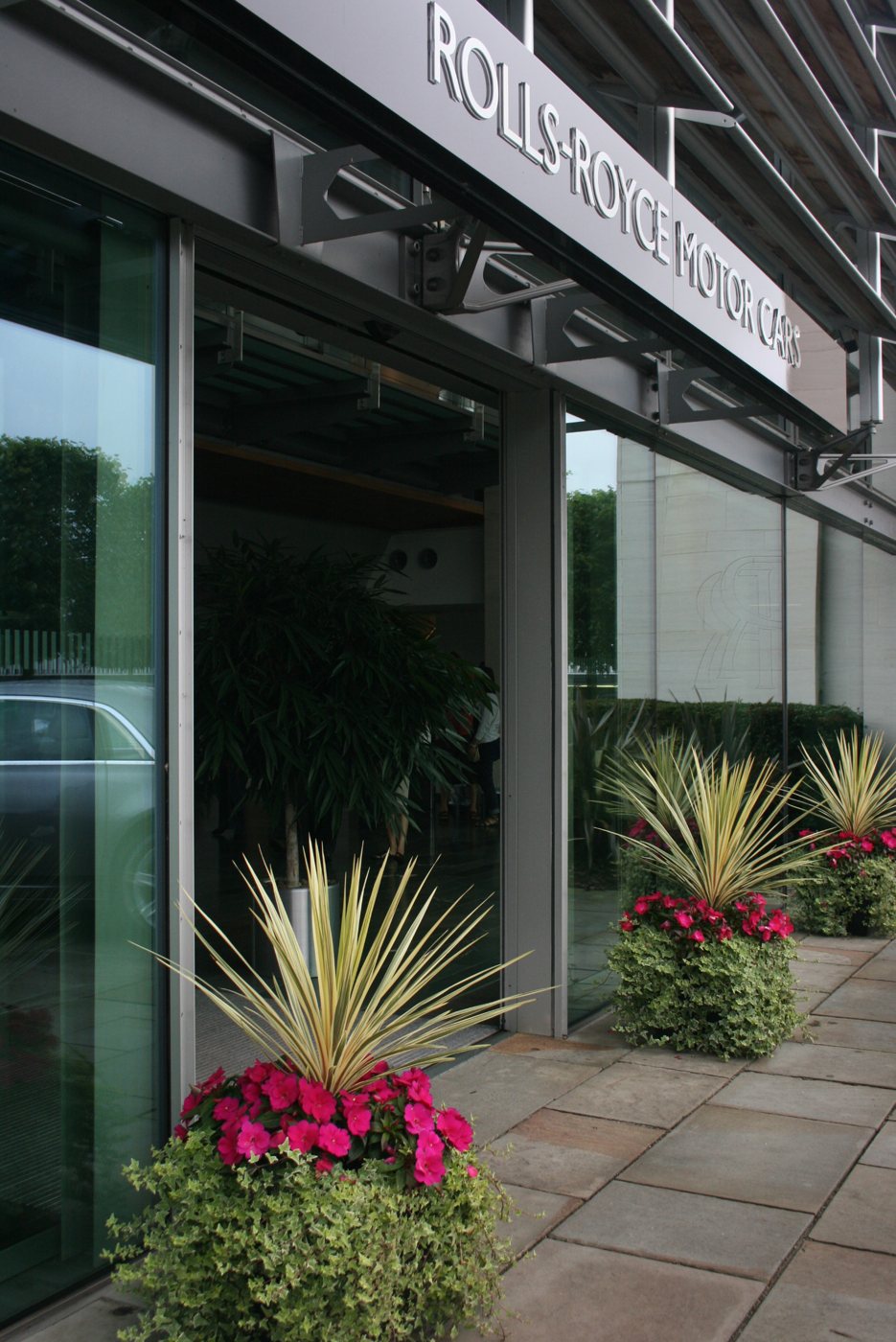
BMW's company, Rolls-Royce Motor Cars Limited, built a new plant at Goodwood, designed by Nicholas Grimshaw & Partners. The first Phantom was handed over at one minute past midnight on 1 January 2003. Later developments:
- Staff: 350 at opening in 2003; about 2,500 by 2023.
- 2016: a technology and logistics centre opened at Bognor Regis.
- January 2025: more than £300 million committed to extend Goodwood for Bespoke and Coachbuild work.
The range widened from the single Phantom:
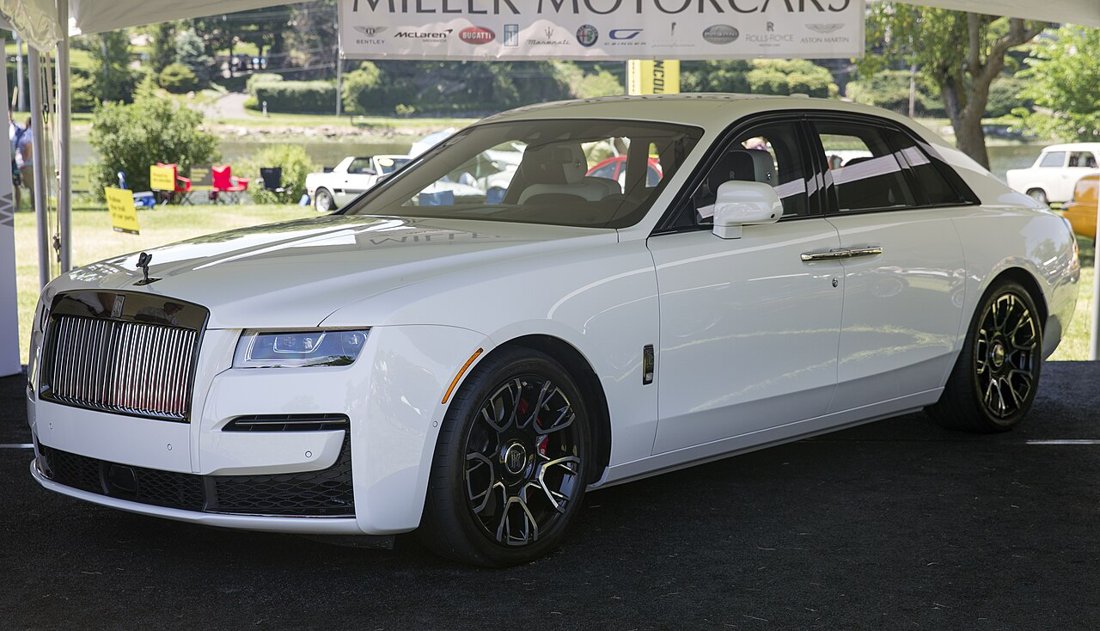
- The smaller Ghost (2009).
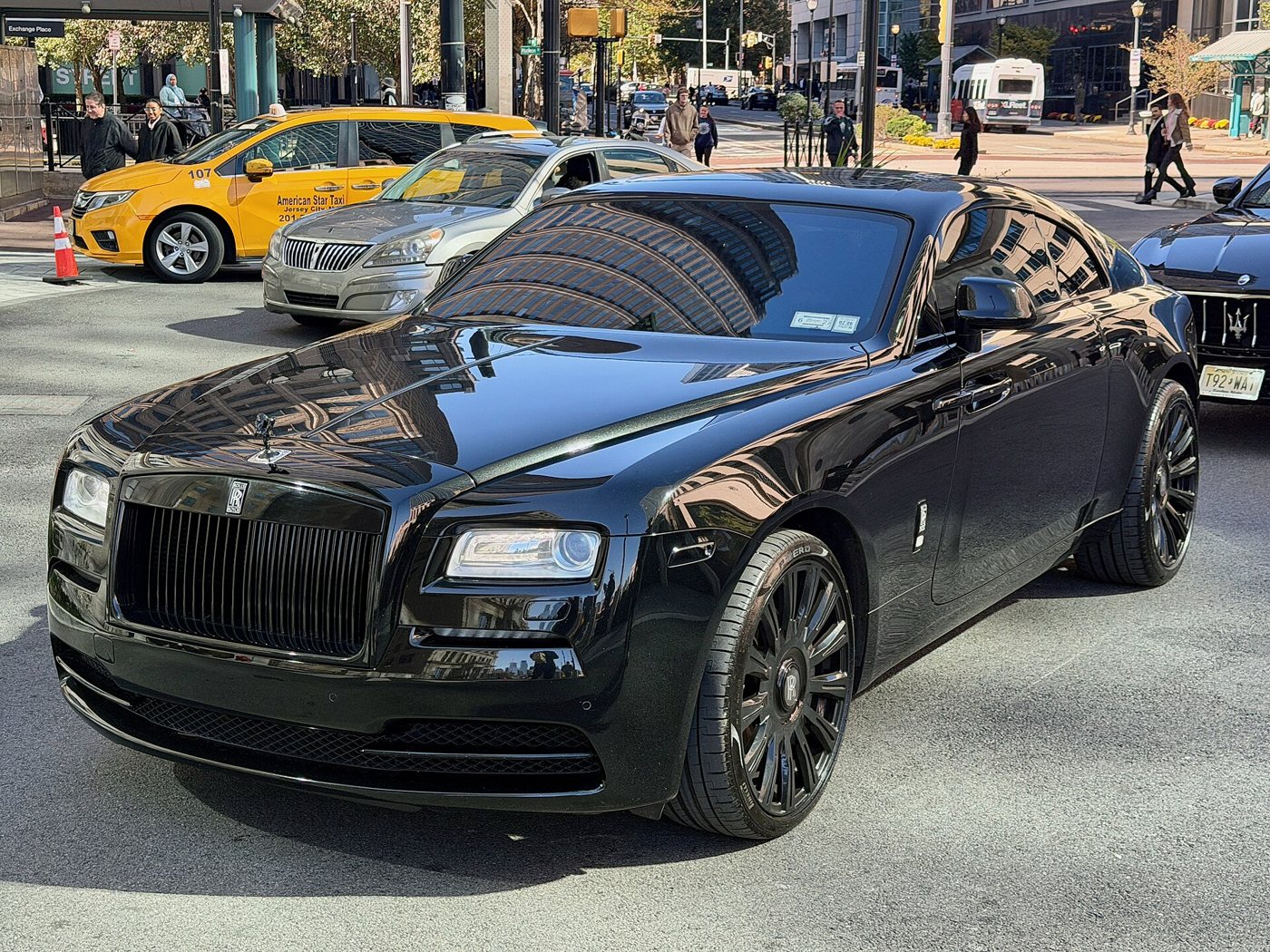
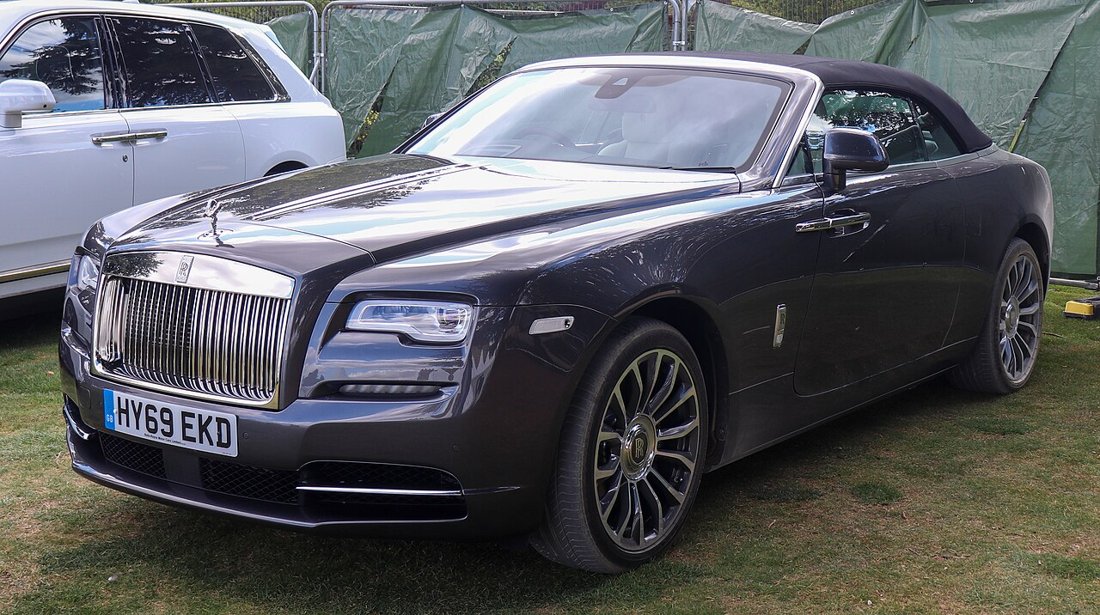
- The Wraith coupé (2013) and Dawn convertible (2015).
- The Cullinan SUV (2018).
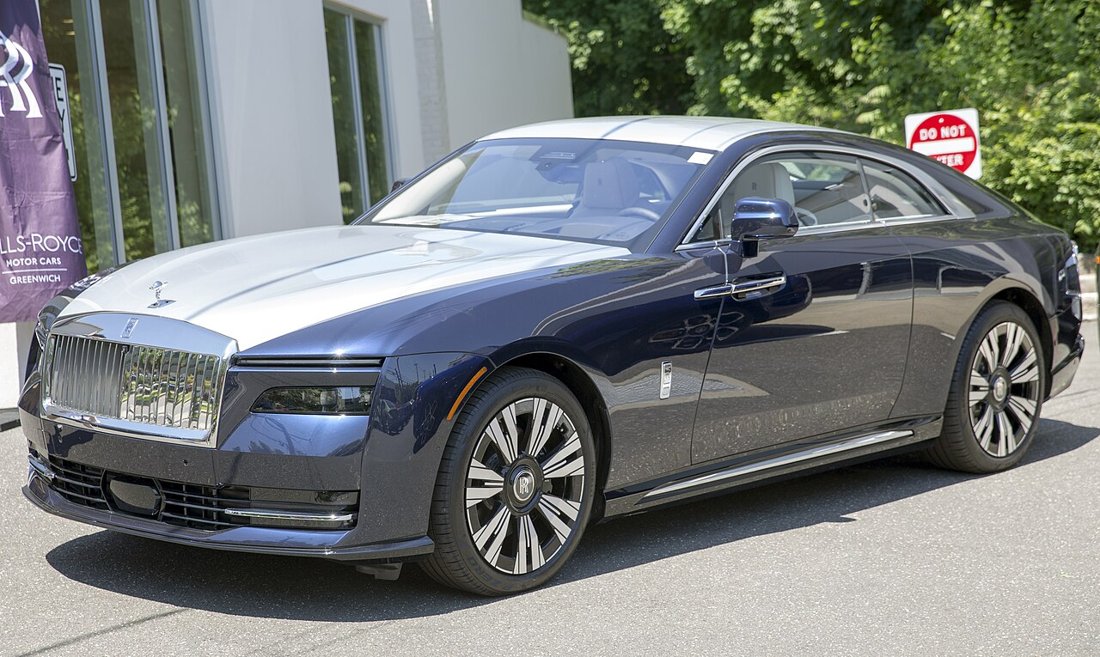
- The electric Spectre (2023).
The Black Badge sub-brand, launched in 2016, accounts for more than a third of output.

Annual deliveries:
| Year | Deliveries | Note |
|---|---|---|
| 1978 | 3,347 | Highest of the Crewe era |
| 2011 | 3,538 | Record for the marque at the time |
| 2014 | 4,063 | Record |
| 2019 | 5,152 | Record |
| 2022 | 6,021 | Record |
| 2023 | 6,032 | All-time record |
| 2024 | 5,712 | |
| 2025 | 5,664 | Cullinan 3,291; Spectre 1,002 (trade-press breakdown) |
Electrification and coachbuilding
Electric experiments began with the 102EX, a battery-electric Phantom of 2011, and the 103EX concept of 2016. The Spectre was revealed in October 2022 and delivered from late 2023. The Spectre Series II, with longer range, was announced in June 2026.
In 2021 the company pledged an all-electric range by the end of 2030. In March 2026 the chief executive said the brand would not meet that date and would keep the V12, without setting a new target.
Coachbuilding was revived after the one-off Sweptail of 2017 and became a formal department in 2021:
- Boat Tail (2021): three cars.
- Droptail (2023–2025): four commissions, starting with "La Rose Noire".
- Project Nightingale (April 2026): the first "Coachbuild Collection", an electric two-seat convertible limited to 100 cars, with deliveries from 2028.
Spy reports describe an electric SUV the size of the Cullinan. No official details had been published by November 2026.
Models
The tables list every production model and series, with production years, numbers built where documented, and the engine. Coachbuilt bodies, limousine conversions and limited editions are noted against their base model. Where sources give different production totals, the better-supported figure comes first; the main disagreements are explained after the tables. Model pages on this wiki are linked where they exist.
Manchester and Derby, 1904–1939
| Model | Years | Built | Engine | Notes |
|---|---|---|---|---|
| 10 hp | 1904–1906 | 16 | 2-cyl, 1,800 cc, later 1,995 cc | Sold as a chassis; four survive |
| 15 hp | 1905 | 6 | 3-cyl, 3,000 cc | One survivor |
| 20 hp | 1905–1906 | 40 chassis | 4-cyl, 4,118 cc | Light 20 and Heavy 20; won the 1906 TT |
| 30 hp | 1905–1906 | 37 | 6-cyl, 6,000 cc | One survivor |
| V-8 (Legalimit, Landaulette) | 1905 | 3 | V8, 3,535 cc, side valve | Governed town car; none survives |
| 40/50 hp Silver Ghost | 1906–1926 | about 7,874 (6,173 UK, about 1,700 Springfield) | Side-valve six, 7,036 cc, 7,428 cc from 1910 | Built at Manchester, Derby (from 1908) and Springfield (1921–1926); Alpine Eagle; armoured car |
| Twenty (20 hp) | 1922–1929 | 2,940 | OHV six, 3,127 cc | Owner-driver car; four-wheel brakes from 1925 |
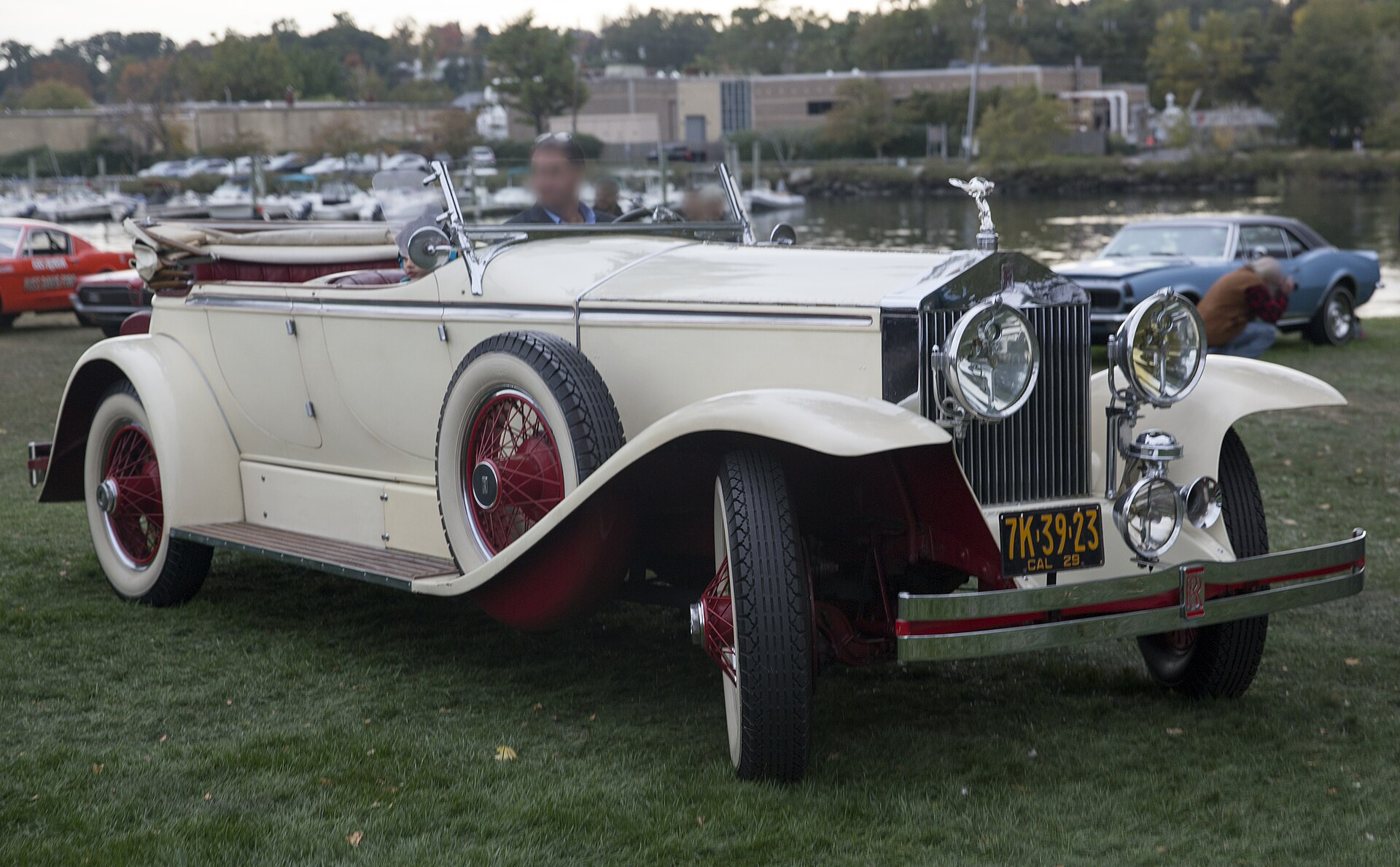
| Phantom (Phantom I) | 1925–1931 | 3,512 (about 2,270 Derby, about 1,240 Springfield) | OHV six, 7,668 cc | Named "New Phantom" at launch |
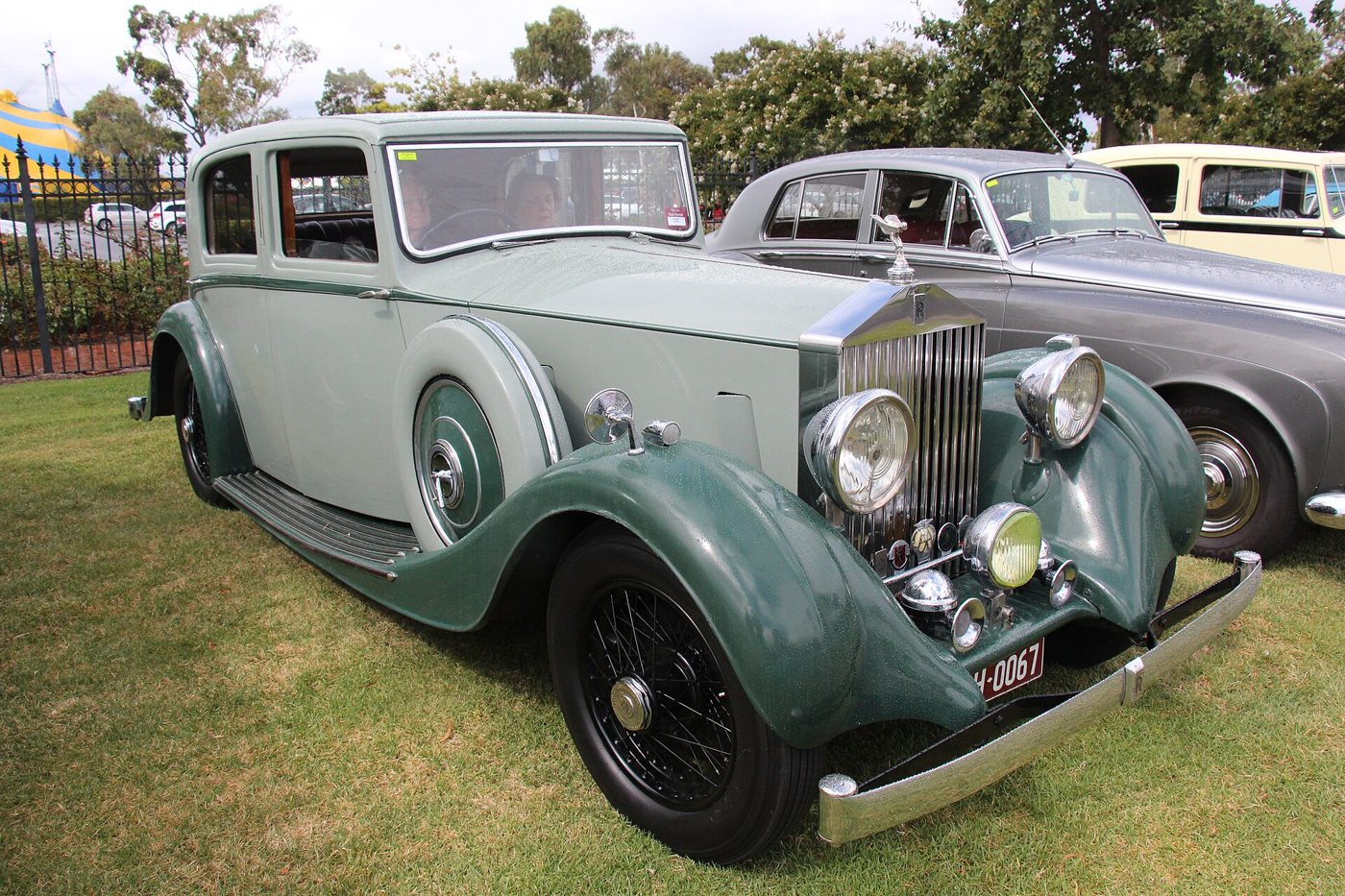
| 20/25 | 1929–1936 | 3,827 | OHV six, 3,669 cc | Best-selling inter-war Rolls-Royce |
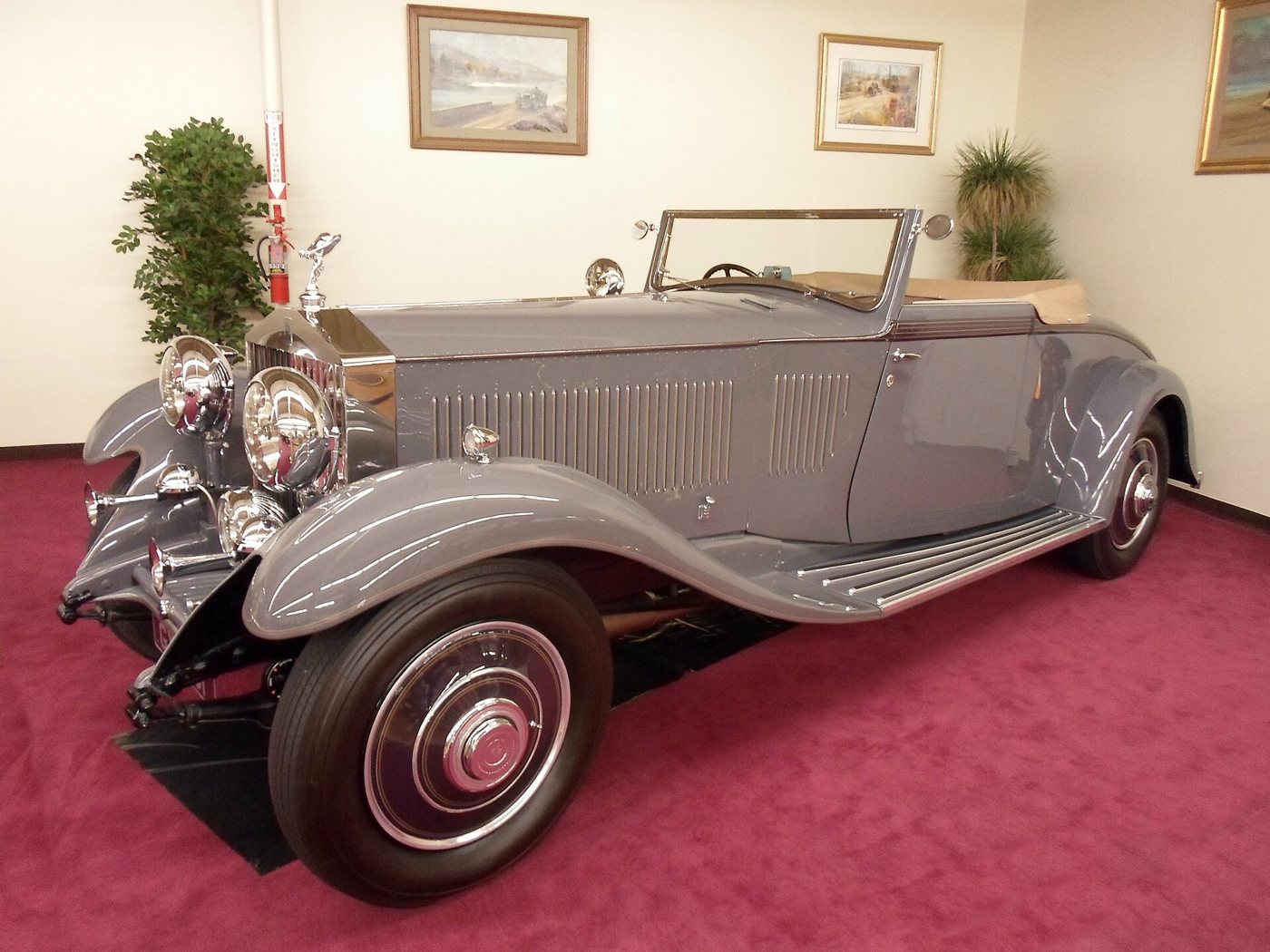
| Phantom II and Continental | 1929–1935 | 1,681 (about 281 Continental) | OHV six, 7,668 cc | All built at Derby |
| 25/30 | 1936–1938 | 1,201 | OHV six, 4,257 cc | Enlarged 20/25 |
| Phantom III | 1936–1939 | 710 by 1939; 727 including later completions | V12, 7,338 cc | First Rolls-Royce V12 |
| Wraith | 1938–1939 | 491 | OHV six, 4,257 cc | Welded chassis, independent front suspension |






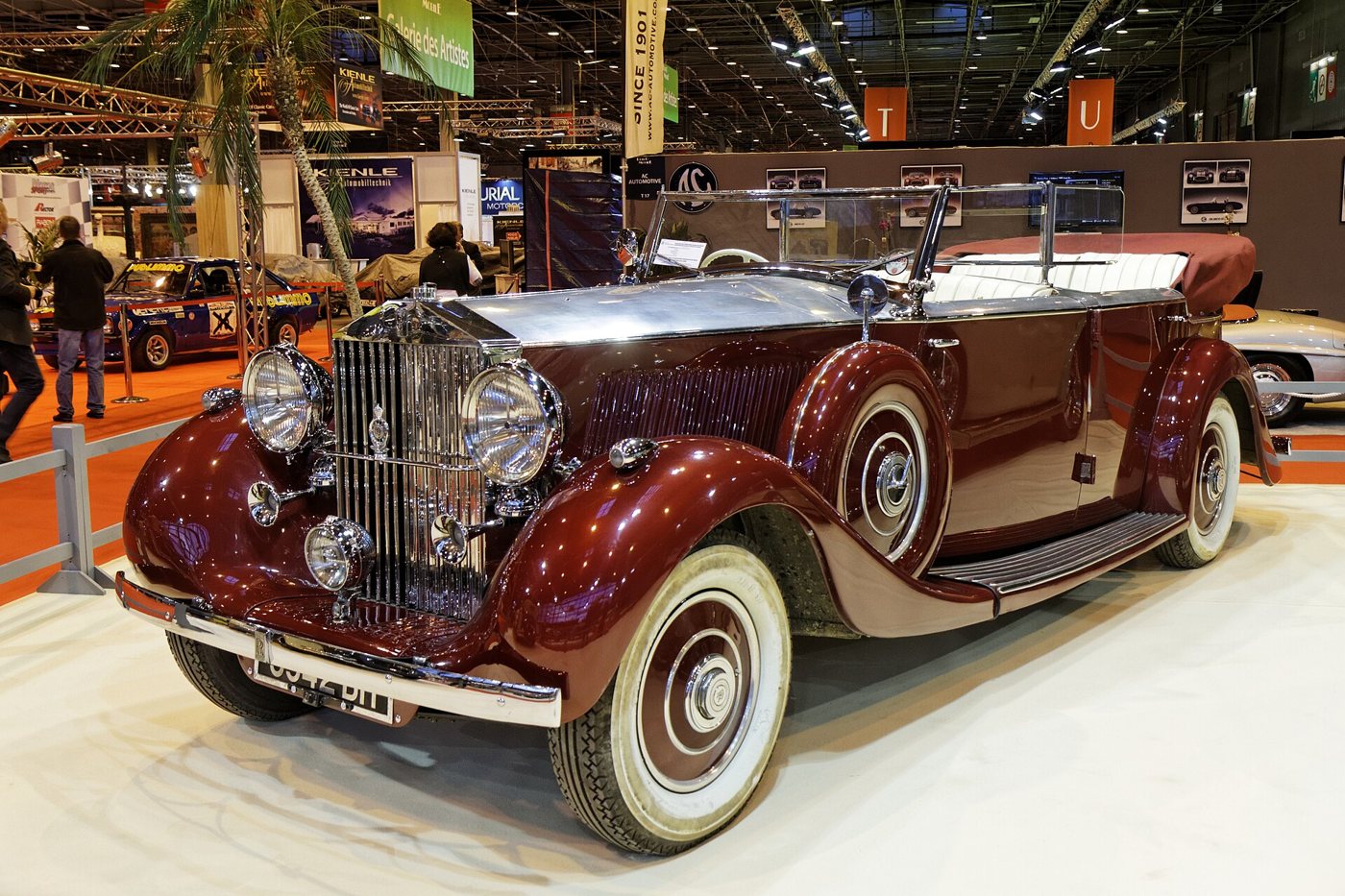

Crewe, 1946–2002
| Model | Years | Built | Engine | Notes |
|---|---|---|---|---|
| Silver Wraith | 1946–1959 | 1,783 (1,144 short, 639 long wheelbase); 1,883 in some sources | B-series F-head six, 4,257 / 4,566 / 4,887 cc | Chassis only, for coachbuilders |
| Silver Dawn | 1949–1955 | 761 | B-series six, 4,257 / 4,566 cc | First factory-bodied Rolls-Royce; at first for export only |
| Phantom IV | 1950–1956 | 18 | B-series straight-eight, 5,675 cc (last three 6,516 cc) | Royalty and heads of state only |
| Silver Cloud I | 1955–1959 | 2,238 steel saloons, 85 long-wheelbase, 121 coachbuilt | B-series six, 4,887 cc | Automatic transmission standard |
| Silver Cloud II | 1959–1962 | 2,417 saloons, 258 long-wheelbase, 107 coachbuilt | V8, 6,230 cc | First Rolls-Royce V8 |
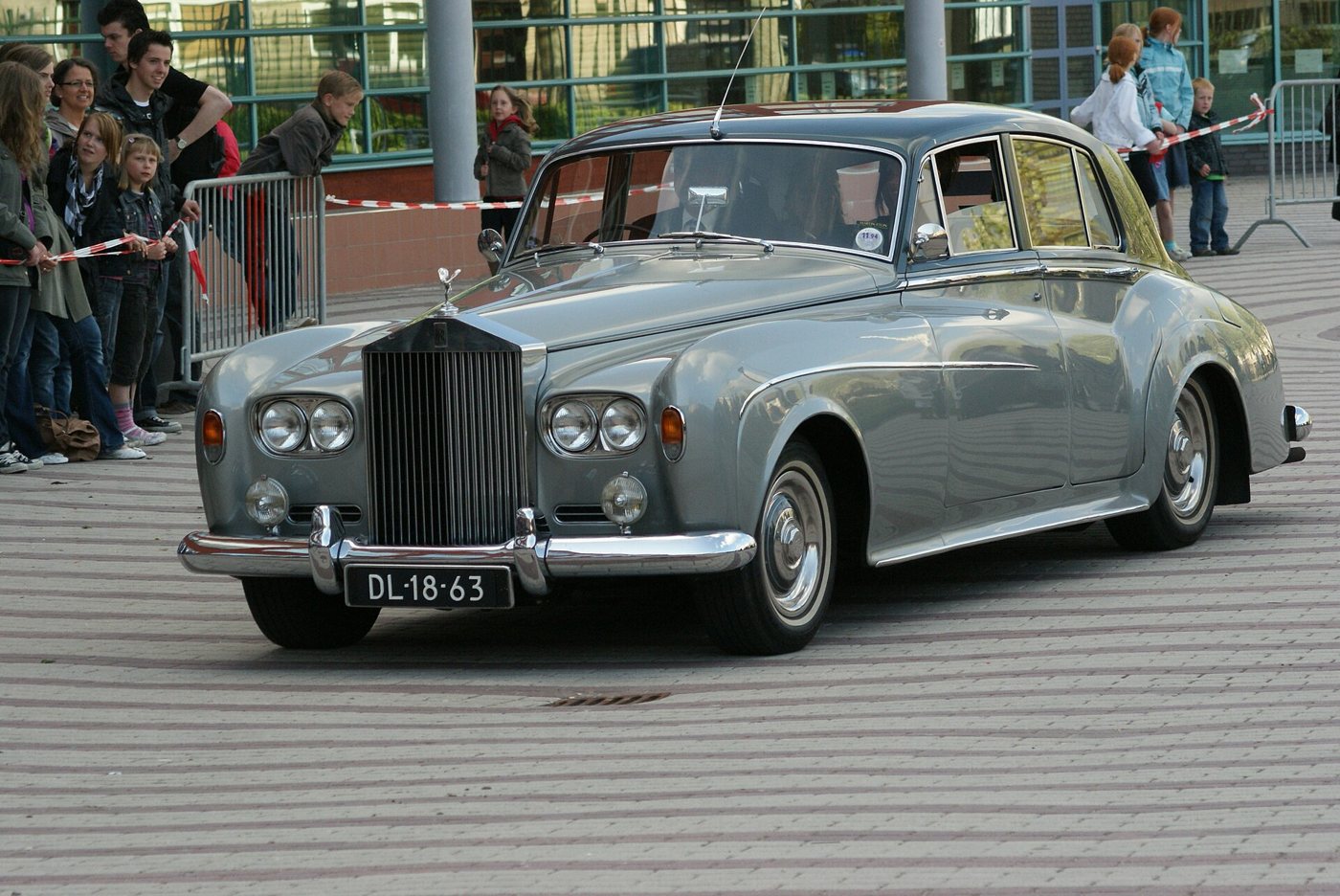
| Silver Cloud III | 1962–1966 | 2,044 saloons, 206 long-wheelbase, 328 coachbuilt | V8, 6,230 cc | Twin headlamps |
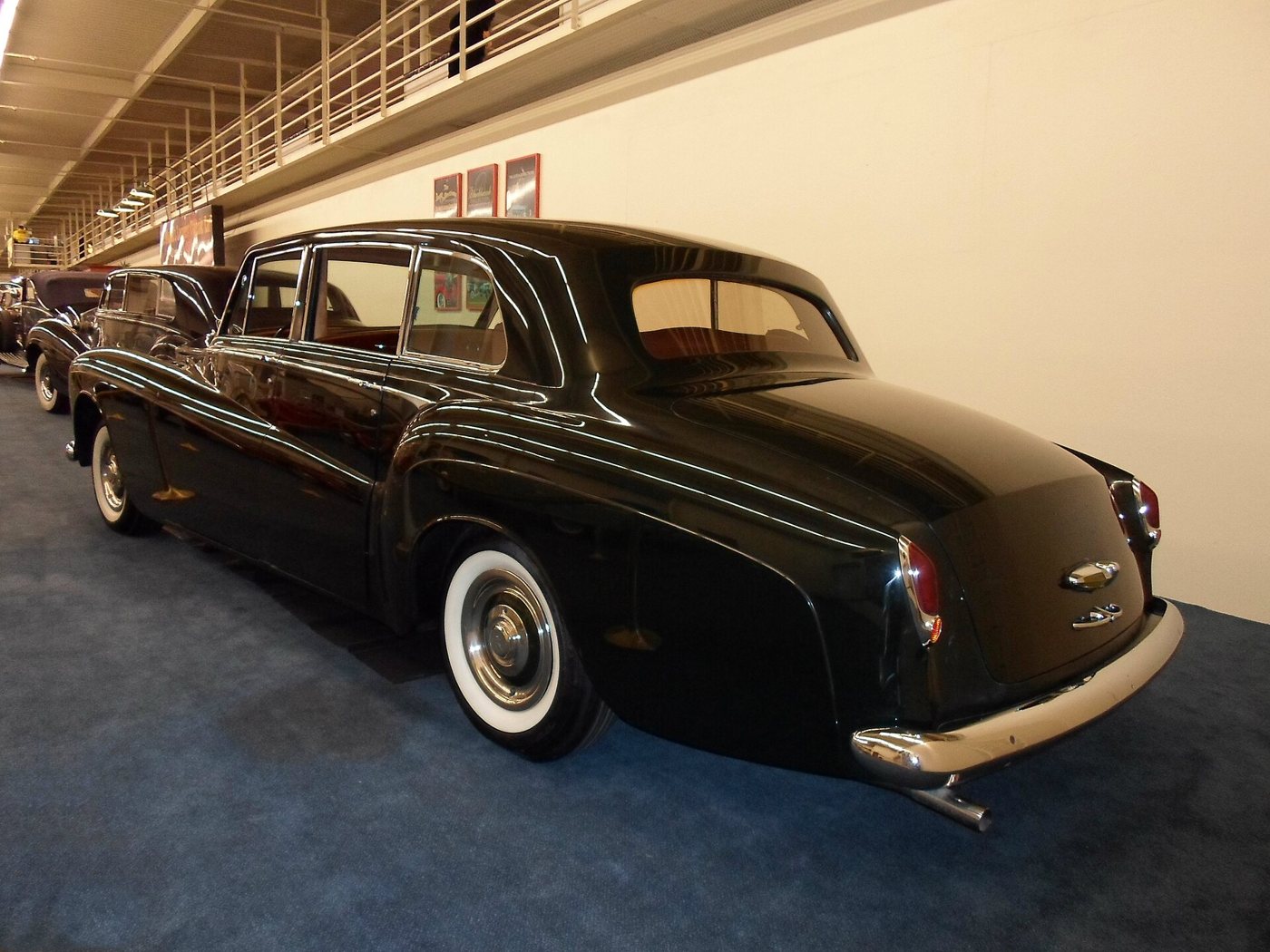
| Phantom V | 1959–1968 | 518 | V8, 6,230 cc | Park Ward, James Young, H.J. Mulliner and Mulliner Park Ward bodies |
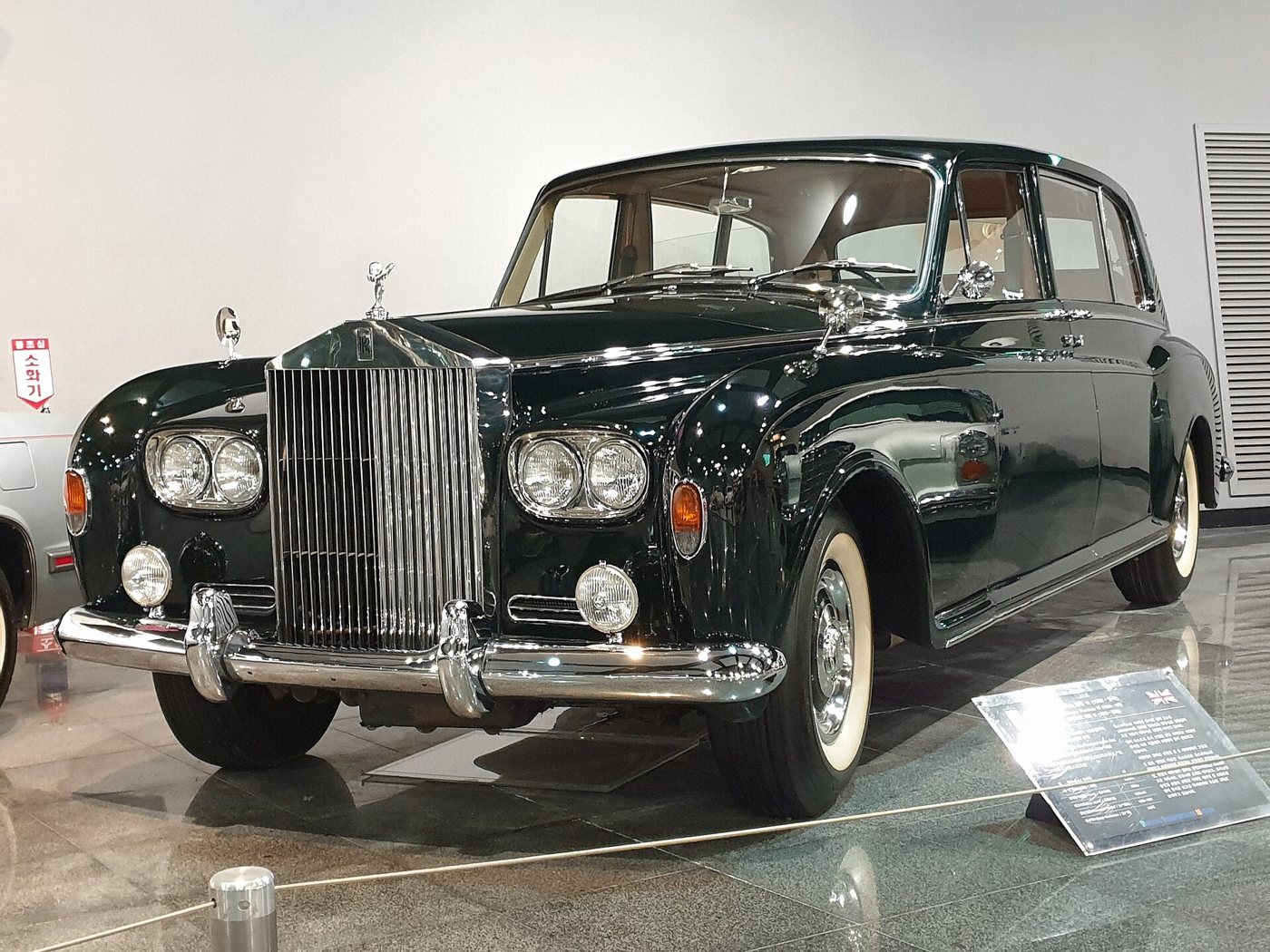
| Phantom VI | 1968–about 1992 | 374 | V8, 6,230 cc; 6,750 cc from 1978 | Last separate-chassis Rolls-Royce; limousines and landaulettes |
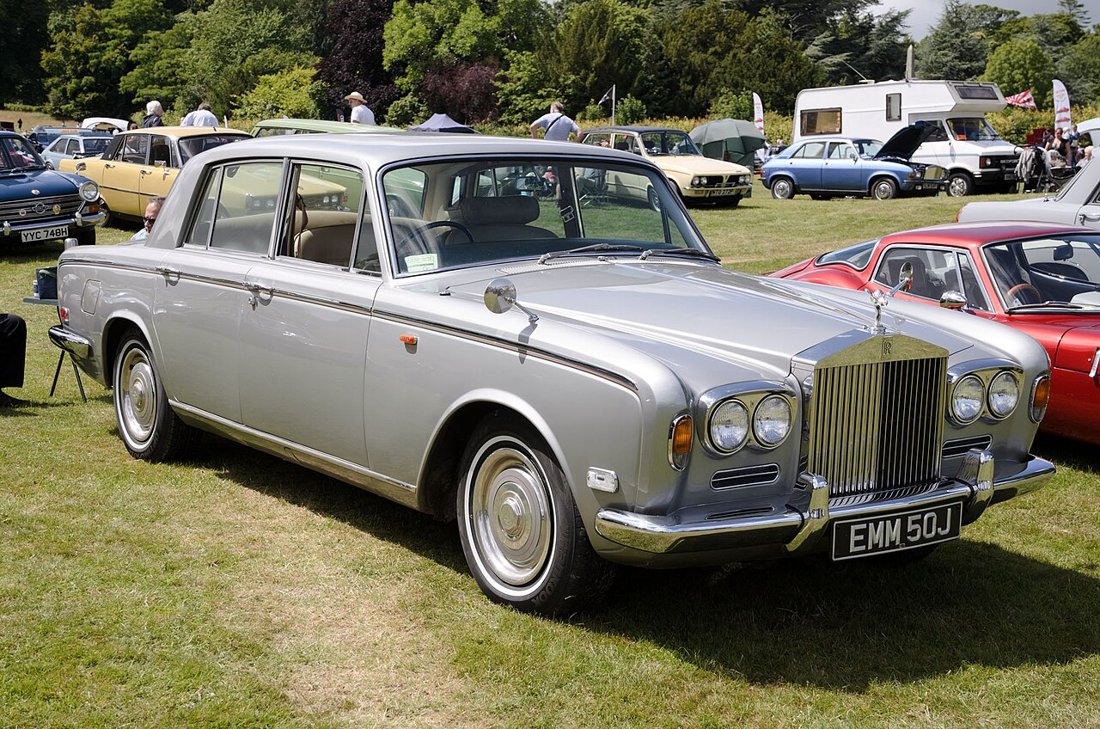
| Silver Shadow | 1965–1977 | 16,717 standard, 2,780 long-wheelbase | V8, 6,230 cc; 6,750 cc from 1970 | First monocoque; two-door saloon (1966) and drophead (1967) became the Corniche |
| Silver Shadow II / Silver Wraith II | 1977–1980 | 8,425 / 2,135 | V8, 6,750 cc | Rack-and-pinion steering; Silver Wraith II is the long-wheelbase car |
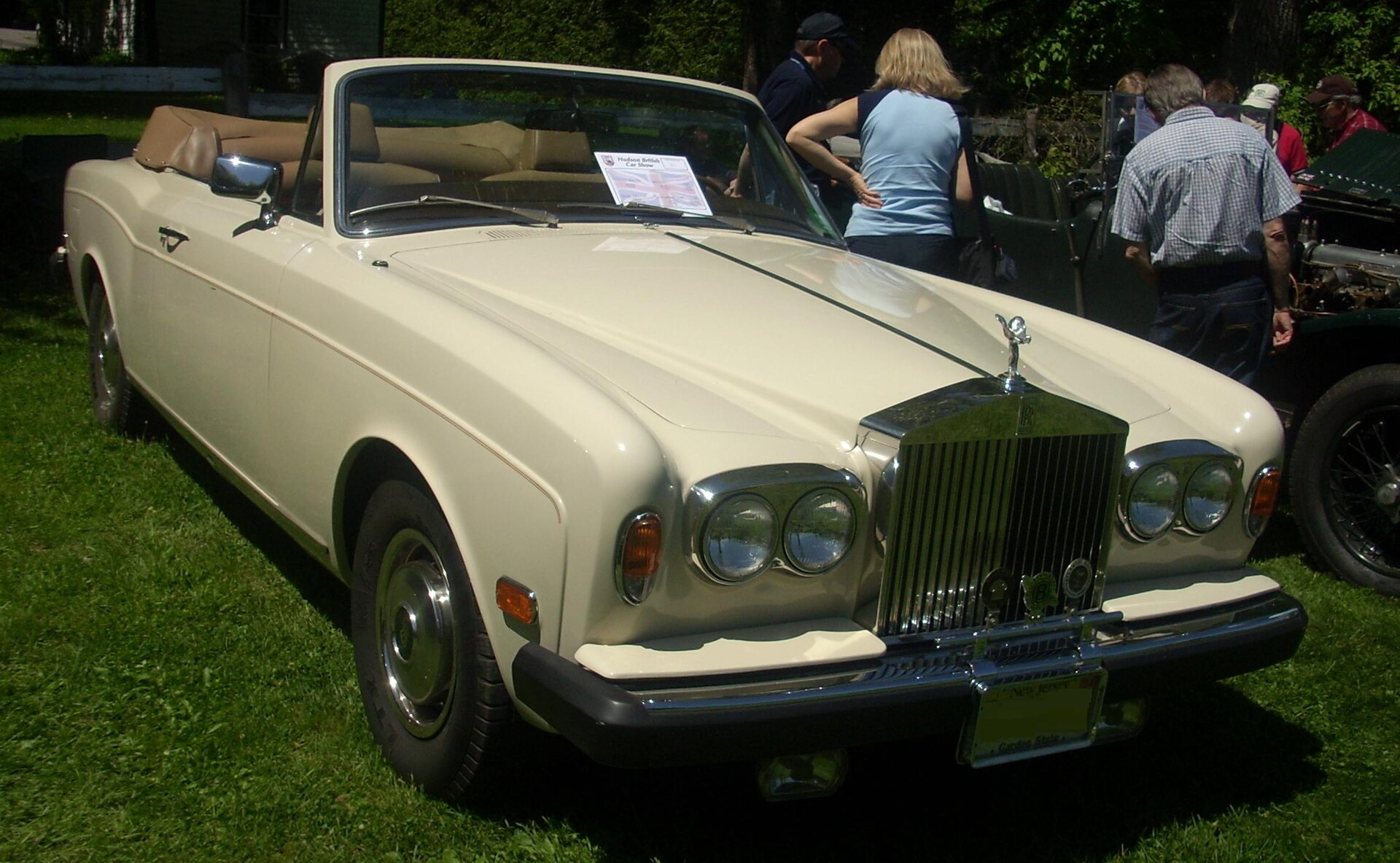
| Corniche | 1971–1987 | about 4,330 (saloon to 1982, convertible) | V8, 6,750 cc | Built by Mulliner Park Ward |
| Corniche II | 1986–1989 | 1,234 | V8, 6,750 cc, fuel-injected | Convertible |
| Corniche III | 1989–1993 | 452 | V8, 6,750 cc | Airbags |
| Corniche IV | 1992–1995 | 219 | V8, 6,750 cc | Four-speed automatic |
| Corniche S | 1995 | 25 | V8, 6,750 cc, turbocharged | Final 25 Corniche IVs |
| Camargue | 1975–1987 | 529 (530–531 in other sources) | V8, 6,750 cc | Pininfarina design; built at Willesden, then Crewe from 1978 |
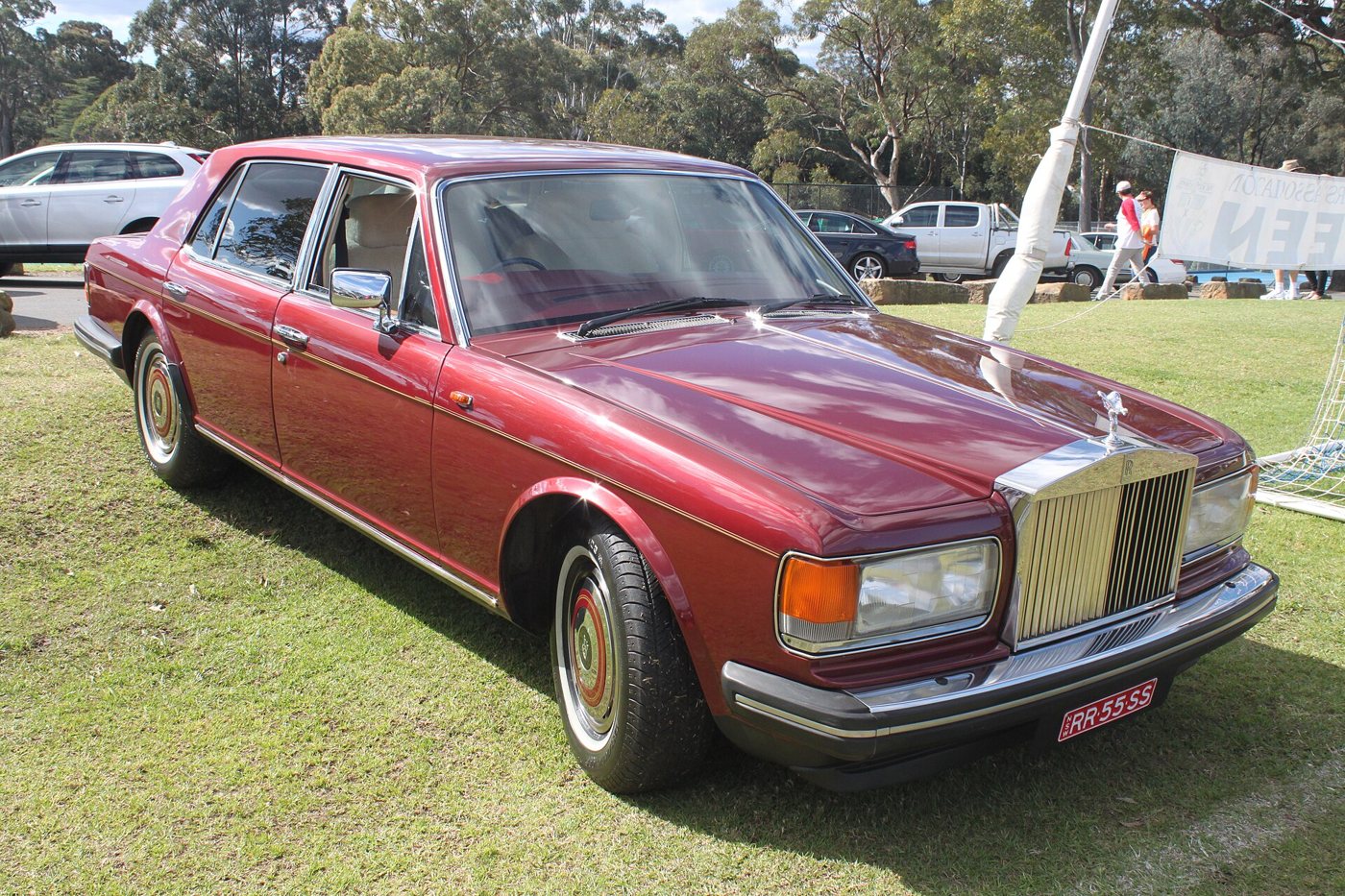
| Silver Spirit | 1980–1989 | 8,126 | V8, 6,750 cc | New platform |
| Silver Spur | 1980–1989 | 6,240 | V8, 6,750 cc | Long-wheelbase Spirit; Touring Limousine stretches from 1982 |
| Silver Spirit II / Silver Spur II | 1989–1993 | 1,152 / 1,658 | V8, 6,750 cc, Bosch Motronic | Adaptive ride control; includes 71 Mulliner Spurs and 56 Touring Limousines |
| Silver Spirit III / Silver Spur III | 1993–1995 | 234 / 465 | V8, 6,750 cc, Bosch Motronic M3.3 | Dual airbags |
| Flying Spur | 1994–1995 | 134 | V8, 6,750 cc, turbocharged | Turbocharged Silver Spur III |
| Silver Dawn (second use) | 1995–1998 | 237 | V8, 6,750 cc | Spur-based, lower radiator shell |
| New Silver Spirit / Silver Spur (Mk IV) | 1996–1997 / 1996–2000 | 145 / 802 | V8, 6,750 cc, light-pressure turbo, Zytek management | Includes Silver Spur Division cars |
| Park Ward limousine | 1996–1999 | 49 (70 in some sources) | V8, 6,750 cc, turbocharged | Stretched Mk IV Spur |
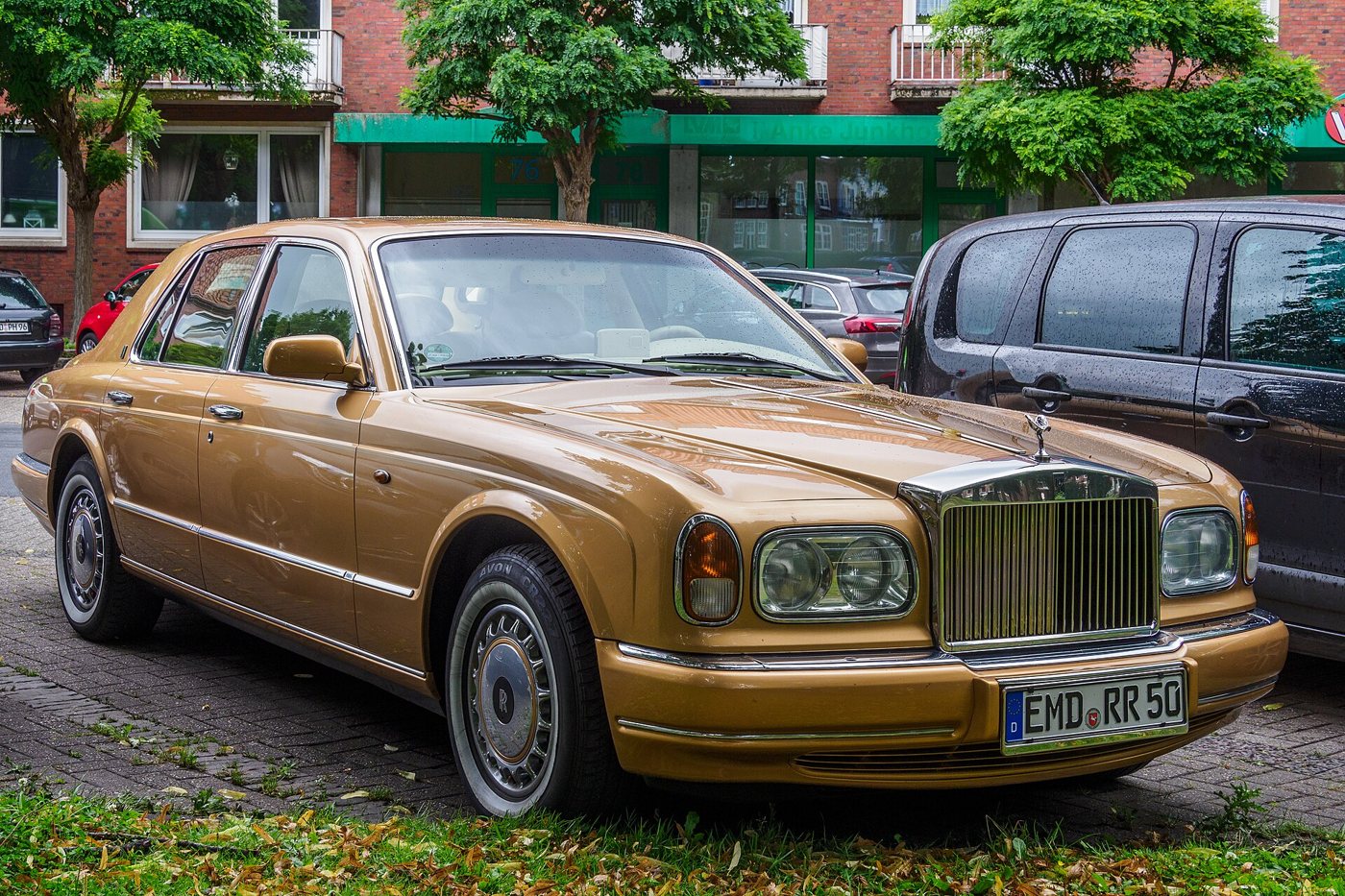
| Silver Seraph | 1998–2002 | 1,570 | BMW M73 V12, 5,379 cc | Shared body with the Bentley Arnage; first V12 since the Phantom III |
| Park Ward (Seraph) | 2000–2002 | 127 | BMW M73 V12, 5,379 cc | Long-wheelbase Seraph; last use of the Park Ward name |
| Corniche (fifth series) | 2000–2002 | 374–384 | V8, 6,750 cc, turbocharged, 325 bhp | Based on the Bentley Azure; last Crewe Rolls-Royce |
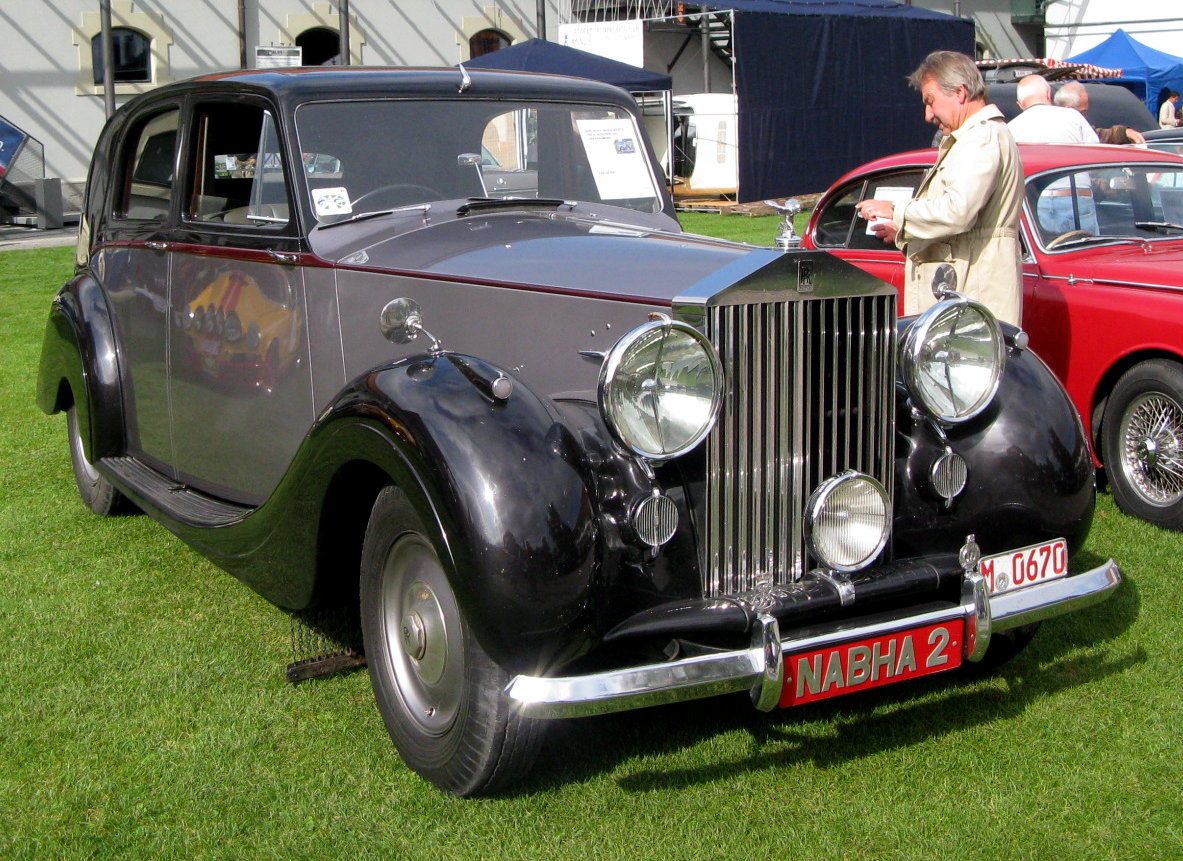

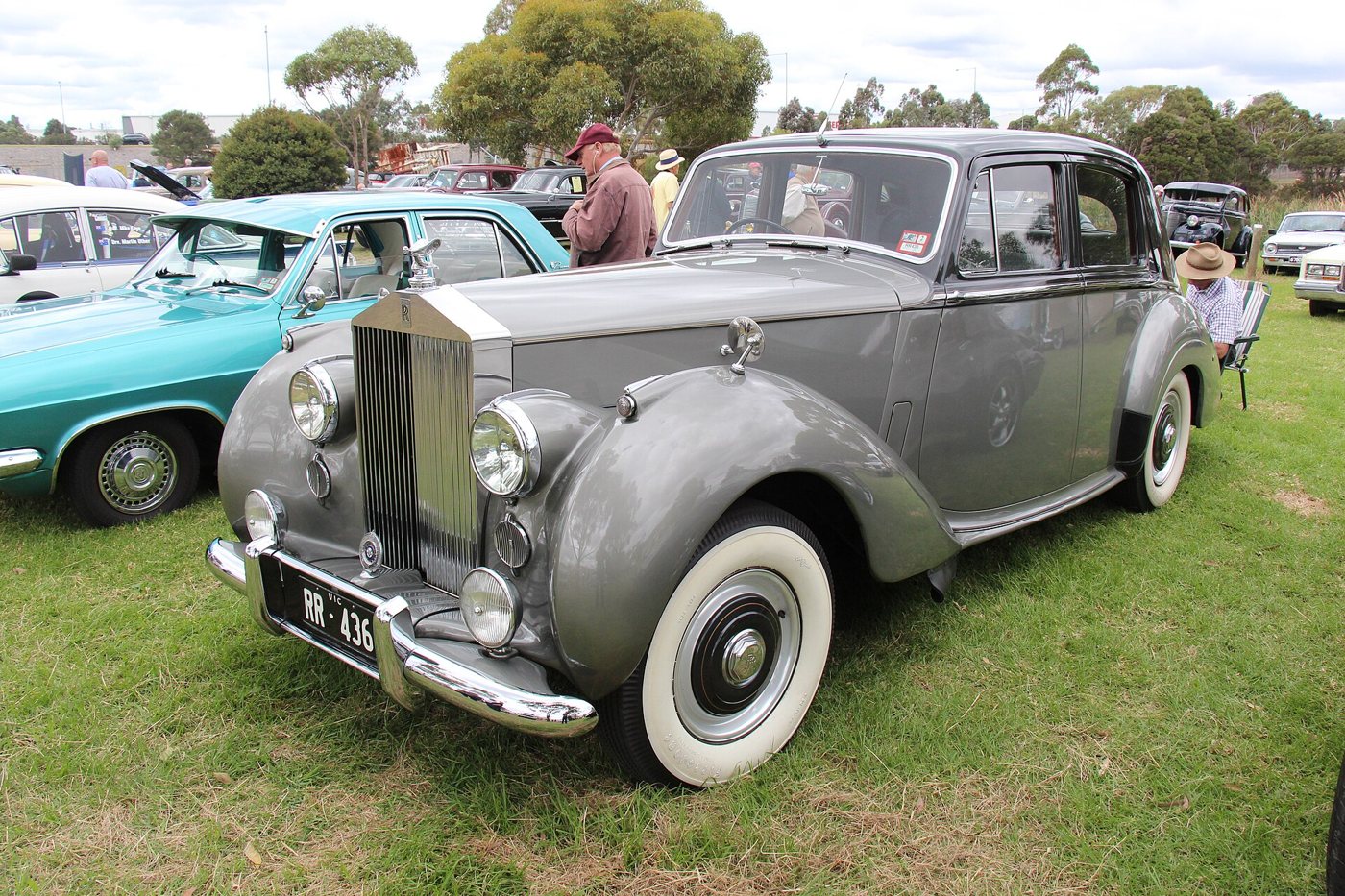

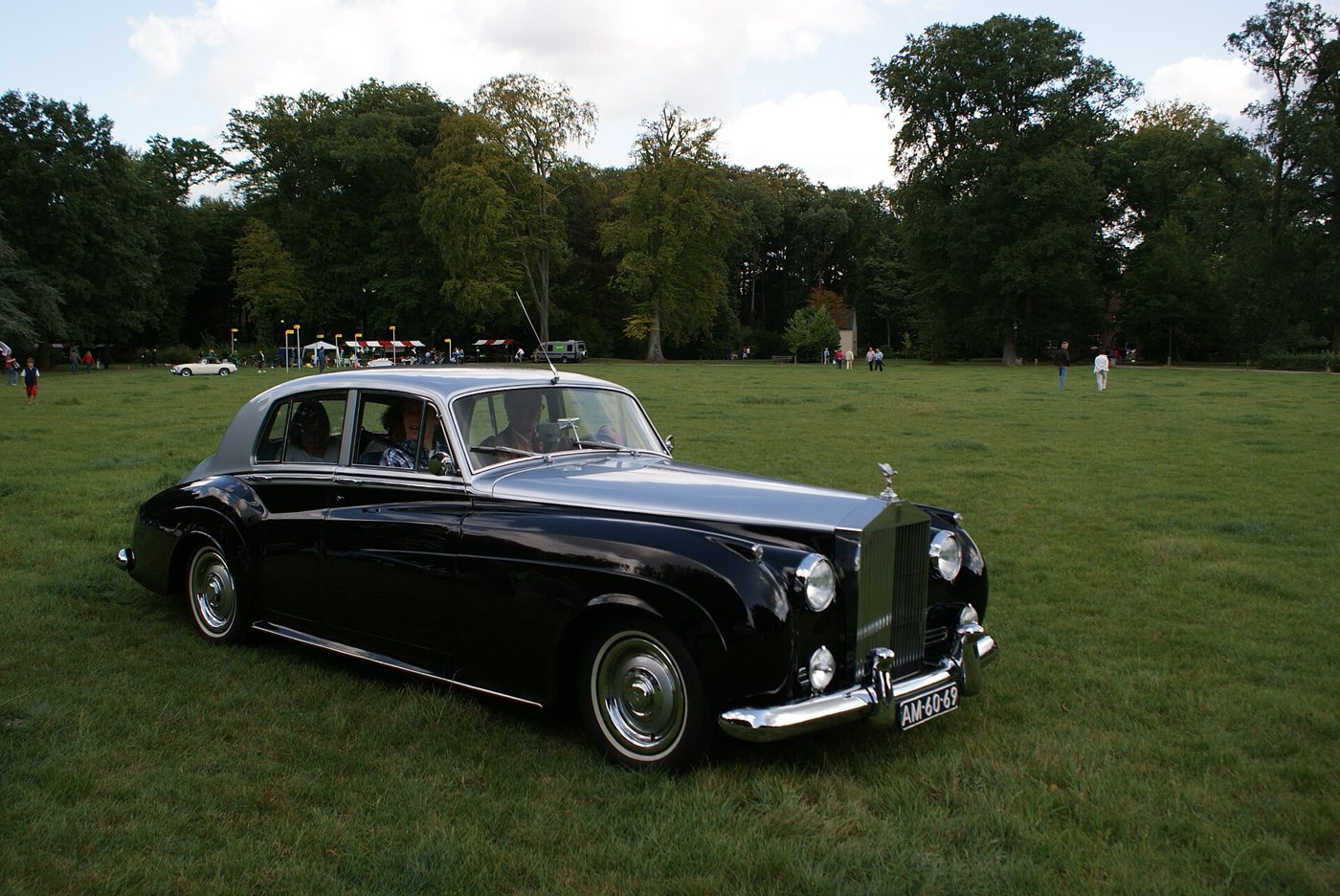









Goodwood, 2003 onwards
| Model | Years | Engine or drive | Variants and notes |
|---|---|---|---|
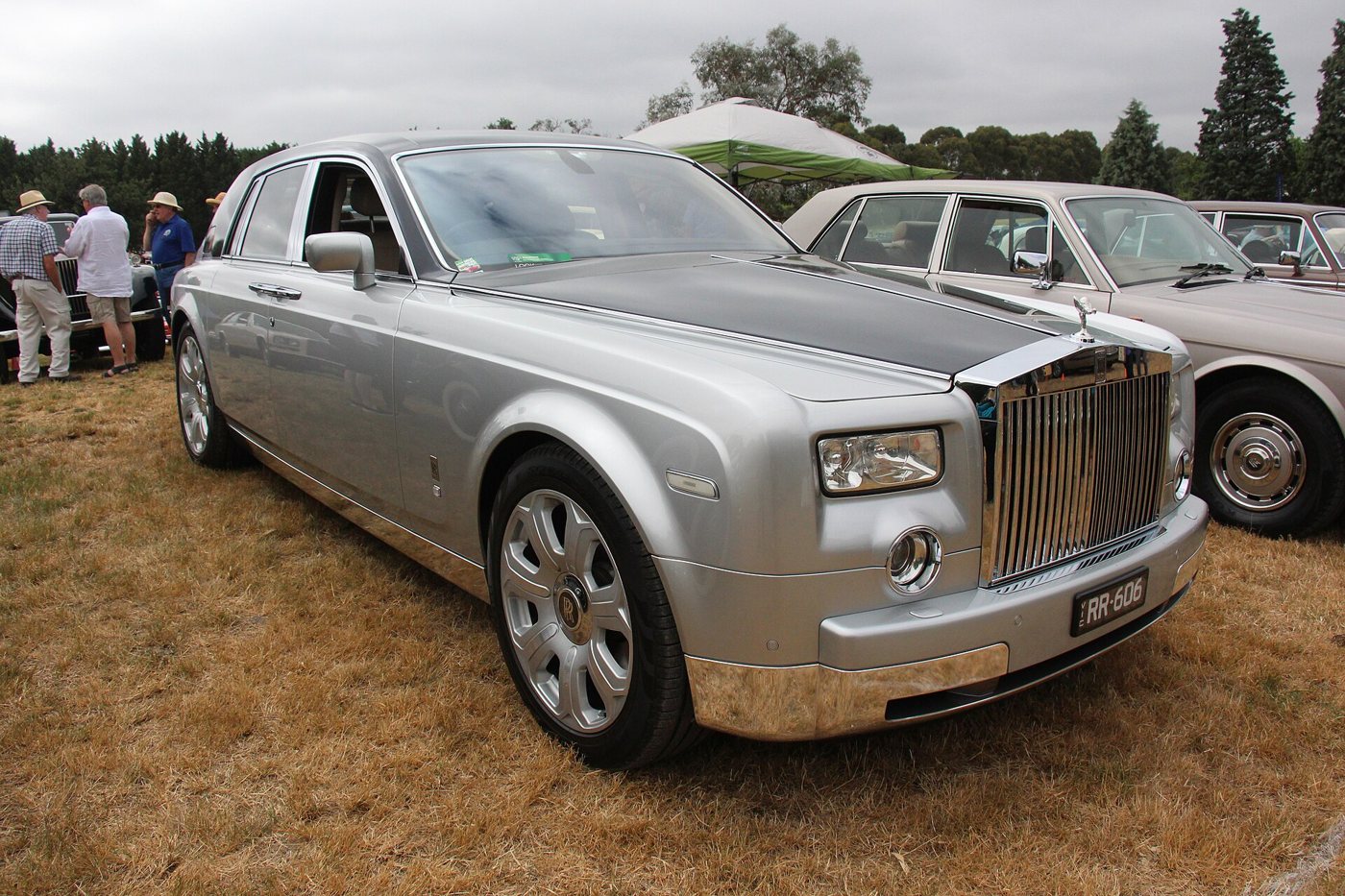
| Phantom (seventh generation) | 2003–2016 | BMW N73B68 6.75-litre V12, 460 PS | Aluminium spaceframe; extended wheelbase from 2005; Series II from 2012 with eight-speed automatic |
| Phantom Drophead Coupé | 2007–2016 | N73B68 V12 | Developed from the 100EX concept |
| Phantom Coupé | 2008–2016 | N73B68 V12 | Developed from the 101EX concept |
| Ghost (first generation) | 2009–2020 | BMW N74B66 6.6-litre twin-turbo V12, 570 PS | Extended wheelbase from 2011; Series II 2014; Black Badge 2016 |
| Wraith | 2013–2023 | N74B66, 632 PS | Fastback coupé; Black Badge 2016; final Black Arrow edition of 12 cars |
| Dawn | 2015–2023 | N74B66, 571 PS | Four-seat convertible; Black Badge; the last open combustion-engined Rolls-Royce |
| Phantom (eighth generation) | 2017– | BMW N74B68 6.75-litre twin-turbo V12, 571 PS, 900 Nm | First car on the aluminium "Architecture of Luxury"; extended wheelbase; Series II 2022 |
| Cullinan | 2018– | N74B68, 571 PS, all-wheel drive | First Rolls-Royce SUV; Black Badge 2019; Series II 2024 |
| Ghost (second generation) | 2020– | N74B68, 571 PS, all-wheel drive and all-wheel steering | Extended 2021; Black Badge 2021; Series II October 2024 |
| Spectre | 2023– | Two electric motors, about 102 kWh battery, 430 kW | First electric Rolls-Royce; Black Badge 2025; Series II 2026 |
| Sweptail | 2017 | Phantom VII V12 | One-off coachbuilt two-seat coupé |
| Boat Tail | 2021 | N74B68 V12 | Three coachbuilt cars on Phantom VIII mechanicals |
| Droptail | 2023–2025 | N74B68 V12 | Four coachbuilt roadsters on a new monocoque |
| Project Nightingale | Deliveries from 2028 | Battery-electric | Coachbuild Collection convertible, 100 cars |
The company does not publish production totals for individual Goodwood models, apart from limited editions.






Disagreements in the production figures
- Silver Ghost: the manufacturer gives 6,173 built in Britain and 1,703 at Springfield; Wikipedia gives 1,701 at Springfield. The total of about 7,874 is not in dispute.
- Phantom III: 710 counts the cars built before production stopped in 1939, while 727 includes chassis completed later. The last car was delivered in 1947.
- Silver Wraith: all sources agree on 639 long-wheelbase cars. The short-wheelbase figure is 1,144 in Grace's Guide and Hagerty, giving 1,783, or 1,244 in Wikipedia, giving 1,883. This remains unresolved; 1,783 is the more widely cited total.
- Camargue: the manufacturer gives 529 cars built from 1975 to 1987. Other sources give 530 or 531 and end production in 1986.
- Phantom VI: chassis production ended about 1990, but the last cars were completed in 1991–1993.
Engines and engine management
Rolls-Royce engines fall into these families:
- Royce's early IOE twins to sixes (1904–1906).
- The side-valve 40/50 six (1906–1926).
- The pushrod OHV sixes of the Twenty, 20/25, 25/30, Wraith and Phantom I and II.
- The Phantom III V12 (1936).
- The post-war B-series F-head six and straight-eight.
- The L410 aluminium V8 (1959–2002), naturally aspirated and turbocharged.
- BMW V12s: the M73, N73B68, N74B66 and N74B68.
- Electric drive in the Spectre.
Fuel and engine management changed as follows:
- To 1980: carburettors, ending with twin SU HD8 and HIF7 and the Solex 4A1.
- From 1980: Bosch K-Jetronic.
- From 1989: Bosch K-Motronic.
- From 1993: Bosch Motronic M3.3.
- 1996–2002: Zytek on the turbocharged V8s.
- BMW era: Bosch M5.2-family Motronic on the Silver Seraph; Bosch MED9.2.2 on the Phantom VII; Continental MSD87 on the N74B66 (tuner listings); Bosch MG1CS201 reported for the Cullinan.
Specifications, evidence grades and diagnostics are on Rolls-Royce engines and engine management. See also BMW M73, BMW N73, BMW N74 and Bentley: history and cars, which shares the Crewe history and the L410 V8.
Identifying a car
- Pre-war cars: identified by chassis number. Coachwork on chassis-only models was often replaced, so the body maker and date may not match the chassis.
- Crewe cars from the Silver Shadow onwards: carry a VIN, and model-year changes are tied to chassis number ranges. Two examples are the 1974 electronic ignition change and the Silver Spirit II controller application from chassis 44007.
- Goodwood cars: use BMW-style model codes, such as RR1 for the Phantom VII and RR31 for the Cullinan, and are diagnosed with BMW ISTA.
Not established
- Official production totals for the Goodwood models.
- The production split of the Silver Shadow two-door cars of 1966–1971.
- When the Mulliner Park Ward name was retired.
- The specification of the planned electric SUV.
Sources
- Models of the Marque series, Rolls-Royce Motor Cars newsroom, manufacturer history articles, April 2024 – April 2025. Accessed 19 November 2026.
- 20 years at Goodwood, manufacturer release reprinted by Automotive World, 2023. Accessed 19 November 2026.
- Rolls-Royce Motor Cars in 2023: a year of success, manufacturer release, 8 January 2024; Landmark investment crowns record year for Bespoke, manufacturer release, January 2025; BMW Group vehicle sales grew in 2025, BMW Group release, January 2026. Accessed 19 November 2026.
- Rolls-Royce Limited, Rolls-Royce Motors, Rolls-Royce Motor Cars, Henry Royce, Charles Rolls, Bentley, Bentley Crewe, Park Ward and List of Rolls-Royce motor cars, Wikipedia, secondary encyclopaedia articles. Accessed 19 November 2026.
- Wikipedia model articles, accessed 19 November 2026: Silver Ghost, Phantom I, Phantom II, Phantom III, Silver Wraith, Silver Cloud, Phantom VI, Silver Shadow, Corniche, Camargue, Silver Spirit, Silver Seraph, Corniche (2000), Phantom (2003), Ghost, Wraith (2013), Dawn (2015), Phantom VIII, Cullinan, Spectre, Boat Tail, Droptail and Project Nightingale.
- Rolls Royce Motors and Rolls-Royce: Cars, Grace's Guide to British Industrial History, undated. Accessed 19 November 2026.
- Rolls-Royce name goes to BMW, UPI, 29 July 1998. Accessed 19 November 2026.
- Rolls-Royce's car sales hit record high, City A.M., 2012. Accessed 19 November 2026.
- Rolls-Royce backs away from full electrification target for 2030, electrive, 19 March 2026; Rolls-Royce global sales 2025, BMWBlog, 15 March 2026. Accessed 19 November 2026.
- Spectre Series II, GoAuto, 5 June 2026; Project Nightingale revealed, Paul Tan, 16 April 2026; Rolls-Royce flagship SUV, Carscoops, January 2026, spy report. Accessed 19 November 2026.
- 1953 Rolls-Royce Silver Wraith, Hagerty valuation reference (production figures). Accessed 19 November 2026.