Removed text is struck through; added text is highlighted.
Production: 1963–2023 with production gaps. Model and production reference.
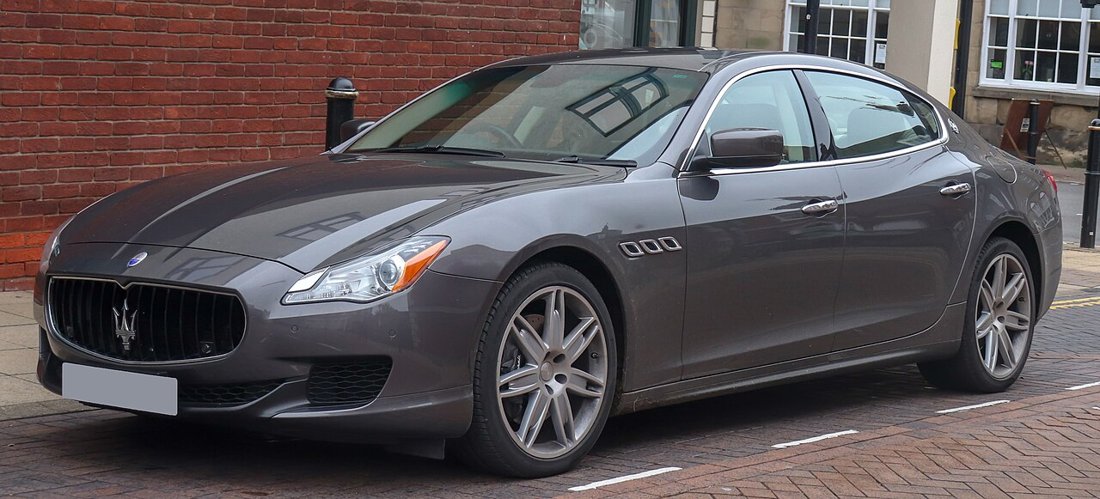
A sixth-generation Maserati Quattroporte diesel. Photo: Vauxford, Wikimedia Commons, CC BY-SA 4.0; resized and re-encoded.
Different generations and markets use very different powertrains.
Engine and powertrain choices
The table summarises examples from the model's production history; availability and specifications vary with year, generation and market. Check the exact vehicle before choosing parts. Model reference.
Model or generationEngine or driveEarly generationsNaturally aspirated petrol V8s of 4.1–4.9 litres in selected models; the rare second generation used a 3.0-litre V6.Fourth generation2.0/2.8-litre twin-turbo V6s and 3.2-litre twin-turbo V8.Fifth generation4.2- and 4.7-litre naturally aspirated Ferrari-derived petrol V8s.Sixth generation3.0-litre twin-turbo petrol V6, 3.8-litre twin-turbo petrol V8 or 3.0-litre turbo-diesel V6, depending on version.
For transmission diagnosis, distinguish the earlier M139 Cambiocorsa automated-manual example from the later 2019 M156 diesel automatic TCM fault-menu example. Match the transmission and control unit before applying either guide.
Sources and related pages
Wikipedia: Maserati Quattroporte — model history and further references.Maserati Quattroporte: manufacturer or technical reference.Maserati: history and cars.
Rendered revisions
Open each version to inspect formatting, tables and photographs.
Revision 2: Maserati Quattroporte: generations and engines
A sixth-generation Maserati Quattroporte diesel. Photo: Vauxford, Wikimedia Commons, CC BY-SA 4.0; resized and re-encoded.
Different generations and markets use very different powertrains.
Engine and powertrain choices
The table summarises examples from the model's production history; availability and specifications vary with year, generation and market. Check the exact vehicle before choosing parts. Model reference.
Model or generation
Engine or drive
Early generations
Naturally aspirated petrol V8s of 4.1–4.9 litres in selected models; the rare second generation used a 3.0-litre V6.
Fourth generation
2.0/2.8-litre twin-turbo V6s and 3.2-litre twin-turbo V8.
Fifth generation
4.2- and 4.7-litre naturally aspirated Ferrari-derived petrol V8s.
Sixth generation
3.0-litre twin-turbo petrol V6, 3.8-litre twin-turbo petrol V8 or 3.0-litre turbo-diesel V6, depending on version.