Removed text is struck through; added text is highlighted.
Country of origin: United States. Part of Car makes and the history of the motor car.
History and development
Pontiac was introduced by General Motors in 1926 and grew into a major American marque associated with performance cars. GM discontinued the brand in 2010. Wikipedia: Pontiac history.
Its cars included muscle cars, family saloons and supercharged V6 models. The Grand Prix name spans different eras and should not be treated as a single engine specification.
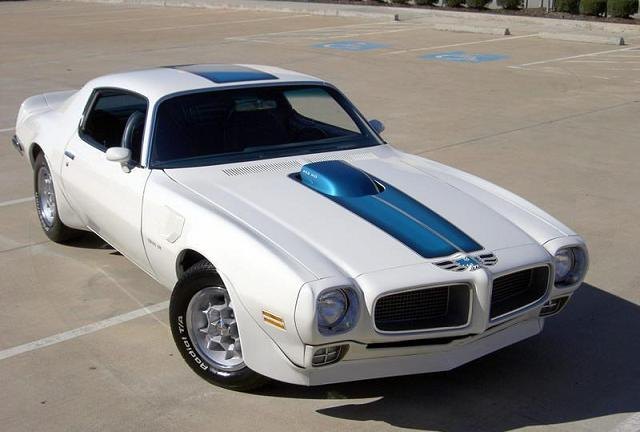
A 1970 Pontiac Firebird Trans Am. Photo: americancar, Wikimedia Commons, Public domain; resized and re-encoded.
Selected cars and engines
Examples are selected rather than a complete production list. Engine and equipment specifications can vary with year and market.
CarWhy it mattersEvidenceGrand Prix GTP (2003)The 3.8-litre GM 3800 Series II L67 V6 was factory-supercharged; the M90 identification combines the GM engine and supercharger-core sources.Eaton fitment guideGTOAn influential muscle-car name used on several different Pontiac models and generations.Model referenceFirebird / Trans AmA performance coupé family with multiple engines and generations.Model referenceBonnevilleA long-running Pontiac model line that changed substantially over its history.Model reference
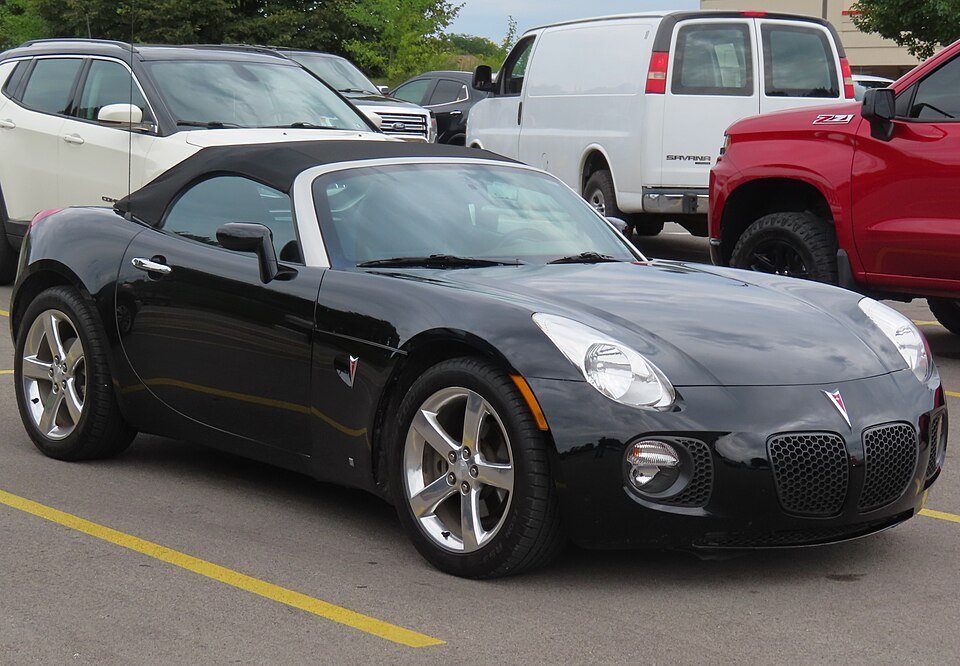
More models and representative enginesThese are specific examples rather than every engine offered. Equipment, output and capacity can change with model year and market; identify the exact vehicle before ordering parts.A Pontiac Solstice GXP. Photo: MercurySable99, Wikimedia Commons, CC BY-SA 4.0; resized and re-encoded.Model and versionEngine or powertrainEvidenceGTO (1964)The original GTO used a 389-cubic-inch, approximately 6.4-litre V8.Manufacturer or technical sourceFirebird Trans Am (1977)Selected 1977 Trans Am models used a 400-cubic-inch, approximately 6.6-litre V8; other engines were offered.Manufacturer or technical sourceSolstice GXPA 2.0-litre turbocharged direct-injection inline-four in the GXP.Manufacturer or technical source
Identifying a car and engine
Use the VIN, market, model year and engine code when researching servicing, tuning or parts. A model badge may cover naturally aspirated, turbocharged, supercharged, hybrid or electric versions depending on the particular vehicle. Factory fitment and aftermarket conversions are distinguished in the linked guides.
Sources and related reading
Wikipedia: Pontiac — marque history and further references.Tuning Wiki: illustrated turbocharged-car timeline.Tuning Wiki: supercharger types and Eaton guides.
Rendered revisions
Open each version to inspect formatting, tables and photographs.
Pontiac was introduced by General Motors in 1926 and grew into a major American marque associated with performance cars. GM discontinued the brand in 2010. Wikipedia: Pontiac history.
Its cars included muscle cars, family saloons and supercharged V6 models. The Grand Prix name spans different eras and should not be treated as a single engine specification.
A 1970 Pontiac Firebird Trans Am. Photo: americancar, Wikimedia Commons, Public domain; resized and re-encoded.
Selected cars and engines
Examples are selected rather than a complete production list. Engine and equipment specifications can vary with year and market.
Car
Why it matters
Evidence
Grand Prix GTP (2003)
The 3.8-litre GM 3800 Series II L67 V6 was factory-supercharged; the M90 identification combines the GM engine and supercharger-core sources.
Use the VIN, market, model year and engine code when researching servicing, tuning or parts. A model badge may cover naturally aspirated, turbocharged, supercharged, hybrid or electric versions depending on the particular vehicle. Factory fitment and aftermarket conversions are distinguished in the linked guides.
Pontiac was introduced by General Motors in 1926 and grew into a major American marque associated with performance cars. GM discontinued the brand in 2010. Wikipedia: Pontiac history.
Its cars included muscle cars, family saloons and supercharged V6 models. The Grand Prix name spans different eras and should not be treated as a single engine specification.
A 1970 Pontiac Firebird Trans Am. Photo: americancar, Wikimedia Commons, Public domain; resized and re-encoded.
Selected cars and engines
Examples are selected rather than a complete production list. Engine and equipment specifications can vary with year and market.
These are specific examples rather than every engine offered. Equipment, output and capacity can change with model year and market; identify the exact vehicle before ordering parts.
Use the VIN, market, model year and engine code when researching servicing, tuning or parts. A model badge may cover naturally aspirated, turbocharged, supercharged, hybrid or electric versions depending on the particular vehicle. Factory fitment and aftermarket conversions are distinguished in the linked guides.