Removed text is struck through; added text is highlighted.
Production: 1998–2014, including a later restart. A later compact executive model family with several petrol and diesel engine options. Model and production reference.
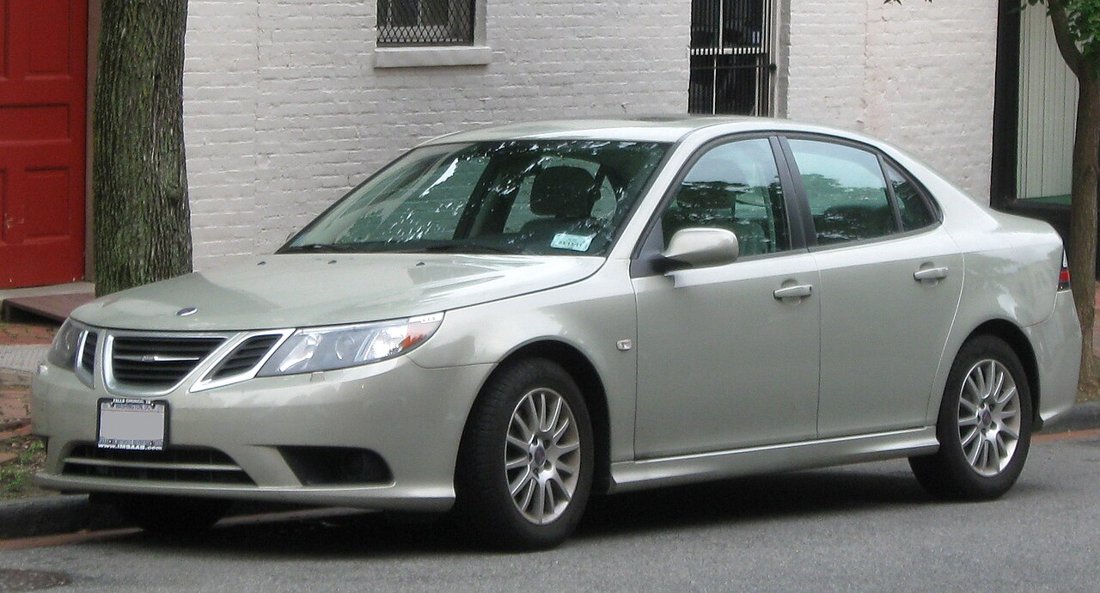
A second-generation Saab 9-3. Photo: IFCAR, Wikimedia Commons, Public domain; resized and re-encoded.
Confirm generation, engine code and market: the model name alone does not identify its engine.
Engine and powertrain choices
The table summarises examples from the model's production history; availability and specifications vary with year, generation and market. Check the exact vehicle before choosing parts. Model reference.
Model or generationEngine or driveFirst generation2.0-litre petrol fours, including turbo versions, the 2.3-litre turbo Viggen, and a 2.2-litre diesel in applicable markets.Second generation1.8-litre petrol, 2.0-litre turbo petrol and 2.8-litre turbo V6 versions; 1.9- and 2.2-litre turbo-diesels were also offered.2013–2014 restartSelected Aero cars used a 2.0-litre turbocharged petrol four.
Sources and related pages
Wikipedia: Saab 9-3 — model history and further references.Saab: history and cars.
Rendered revisions
Open each version to inspect formatting, tables and photographs.
Revision 1: Saab 9-3: generations and engines
Production: 1998–2014, including a later restart. A later compact executive model family with several petrol and diesel engine options. Model and production reference.
Confirm generation, engine code and market: the model name alone does not identify its engine.
Engine and powertrain choices
The table summarises examples from the model's production history; availability and specifications vary with year, generation and market. Check the exact vehicle before choosing parts. Model reference.
Model or generation
Engine or drive
First generation
2.0-litre petrol fours, including turbo versions, the 2.3-litre turbo Viggen, and a 2.2-litre diesel in applicable markets.
Second generation
1.8-litre petrol, 2.0-litre turbo petrol and 2.8-litre turbo V6 versions; 1.9- and 2.2-litre turbo-diesels were also offered.
2013–2014 restart
Selected Aero cars used a 2.0-litre turbocharged petrol four.