Removed text is struck through; added text is highlighted.
Country of origin: Romania. Part of Car makes and the history of the motor car.
History and development
Dacia was founded in Romania in 1966. Its early passenger cars were developed through a relationship with Renault, which later acquired the company. Wikipedia: Dacia history.
The marque became known for practical, value-oriented models sold across many European markets. Names and equipment can vary between countries.
Examples are selected rather than a complete production list. Engine and equipment specifications can vary with year and market.
CarWhy it mattersEvidence1300A long-running Romanian family-car line related to the Renault 12.Model referenceLoganA practical saloon and family-car range with several body styles and generations.Model referenceSanderoA supermini sold in standard and Stepway versions in many markets.Model referenceDusterA compact SUV available with different engines and drivetrain options.Model reference
More models and representative engines
These are specific examples rather than every engine offered. Equipment, output and capacity can change with model year and market; identify the exact vehicle before ordering parts. Battery-electric models are described by their motors.
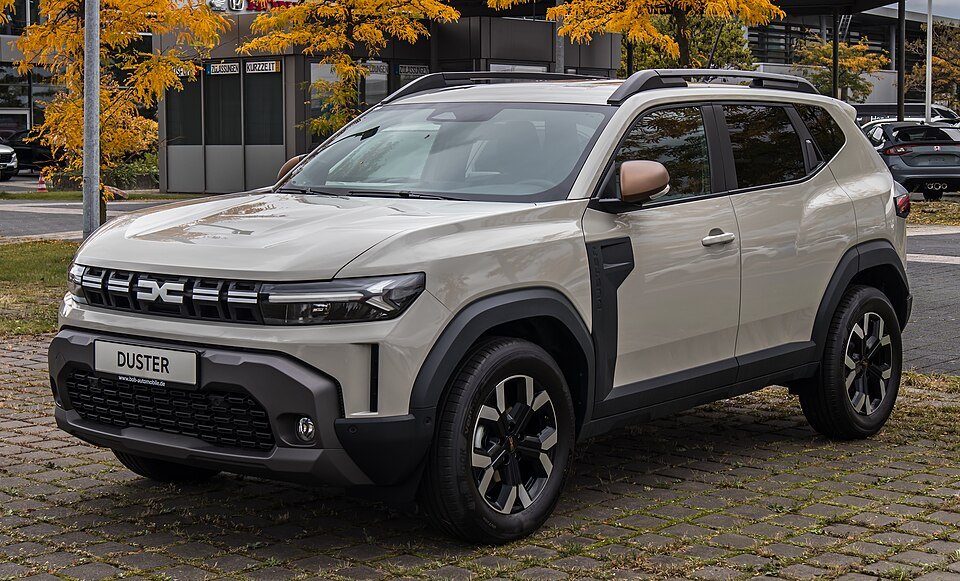
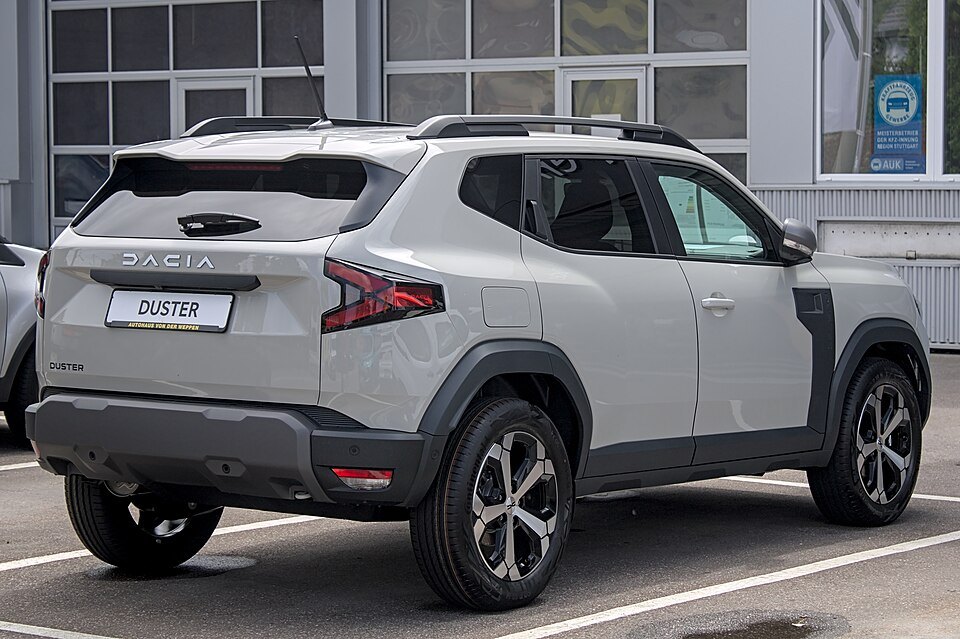
A third-generation Dacia Duster; the pictured engine is not confirmed. Photo: Alexander-93, Wikimedia Commons, CC BY-SA 4.0; resized and re-encoded.
Model and versionEngine or powertrainEvidenceDuster TCe 130 (2024)A 1.2-litre turbocharged three-cylinder petrol engine with mild-hybrid assistance.Manufacturer or technical sourceSandero TCe 90A 1.0-litre turbocharged three-cylinder petrol engine in the specified version.Manufacturer or technical sourceLogan 1.5 dCiA 1.5-litre turbo-diesel four was offered in earlier Logan versions.Manufacturer or technical source
Identifying a car and engine
Use the VIN, market, model year and engine code when researching servicing, tuning or parts. A model badge may cover naturally aspirated, turbocharged, supercharged, hybrid or electric versions depending on the particular vehicle. Factory fitment and aftermarket conversions are distinguished in the linked guides.
Sources and related reading
Wikipedia: Dacia — marque history and further references.Tuning Wiki: illustrated turbocharged-car timeline.Tuning Wiki: supercharger types and Eaton guides.
Text is unchanged; formatting, links or images changed. Compare the rendered revisions below.
Rendered revisions
Open each version to inspect formatting, tables and photographs.
Dacia was founded in Romania in 1966. Its early passenger cars were developed through a relationship with Renault, which later acquired the company. Wikipedia: Dacia history.
The marque became known for practical, value-oriented models sold across many European markets. Names and equipment can vary between countries.
These are specific examples rather than every engine offered. Equipment, output and capacity can change with model year and market; identify the exact vehicle before ordering parts. Battery-electric models are described by their motors.
A third-generation Dacia Duster; the pictured engine is not confirmed. Photo: Alexander-93, Wikimedia Commons, CC BY-SA 4.0; resized and re-encoded.
Use the VIN, market, model year and engine code when researching servicing, tuning or parts. A model badge may cover naturally aspirated, turbocharged, supercharged, hybrid or electric versions depending on the particular vehicle. Factory fitment and aftermarket conversions are distinguished in the linked guides.