Removed text is struck through; added text is highlighted.
Country of origin: Japan. Part of Car makes and the history of the motor car.
History and development
Honda Motor Co. was established in 1948, initially building a business around motorcycles before expanding into automobiles. Models such as the Civic and Accord helped its cars reach global markets. Wikipedia: Honda history.
Honda is known for motorcycle and automotive engineering, high-revving naturally aspirated engines and later turbocharged and hybrid cars. Specifications vary between domestic and export markets.
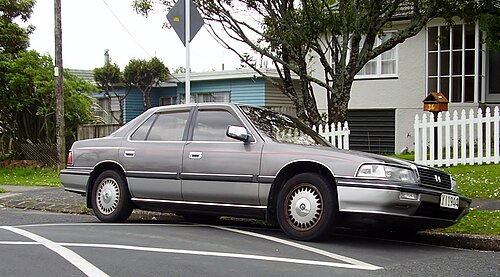
1990 Legend of the same generation; pictured engine is unconfirmed. Photo: GPS 56 from New Zealand, Wikimedia Commons, CC BY 2.0; resized.
Selected cars and engines
Examples are selected rather than a complete production list. Engine and equipment specifications can vary with year and market.
CarWhy it mattersEvidenceLegend 2.0 V6 Turbo (1988)The Japanese-market 2.0-litre C20A V6 used Honda's variable Wing Turbo with four movable wings.Illustrated turbo historyCivicA compact-car family with many generations, body styles and engine options; Type R is the performance line.Model referenceNSXA mid-engined sports-car name used for different generations, including a later hybrid.Model referenceS2000A rear-wheel-drive roadster known for its naturally aspirated four-cylinder engine.Model reference
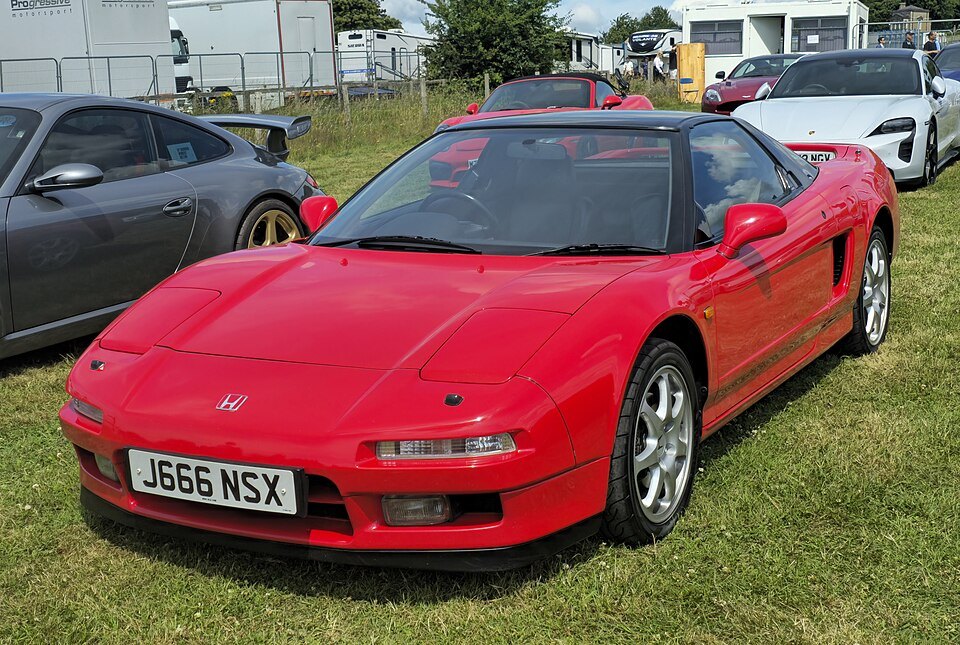
More models and representative enginesThese are specific examples rather than every engine offered. Equipment, output and capacity can change with model year and market; identify the exact vehicle before ordering parts.A first-generation Honda NSX. Photo: Calreyn88, Wikimedia Commons, CC BY-SA 4.0; resized and re-encoded.Model and versionEngine or powertrainEvidenceCivic Type R EK91.6-litre B16B naturally aspirated VTEC inline-four in the Japanese-market first Civic Type R.Manufacturer or technical sourceIntegra Type R DC21.8-litre B18C VTEC naturally aspirated four-cylinder; specifications varied by market.Manufacturer or technical sourceS2000 AP12.0-litre F20C naturally aspirated VTEC four-cylinder in the original AP1; later US versions used a 2.2.Manufacturer or technical sourceNSX first generationThe original NSX used a mid-mounted 3.0-litre naturally aspirated V6; later manual cars used a 3.2.Manufacturer or technical sourceAccord Type R (European CH1)A 2.2-litre naturally aspirated inline-four in the European 1998–2001 Type R.Manufacturer or technical source
Identifying a car and engine
Use the VIN, market, model year and engine code when researching servicing, tuning or parts. A model badge may cover naturally aspirated, turbocharged, supercharged, hybrid or electric versions depending on the particular vehicle. Factory fitment and aftermarket conversions are distinguished in the linked guides.
Related marque: Acura: history and cars.
For an example of Honda automated clutch and shift control, see Civic and Jazz i-SHIFT operation and diagnosis. Identify the model, transmission and market before applying the documented examples.
Sources and related reading
Wikipedia: Honda — marque history and further references.Tuning Wiki: illustrated turbocharged-car timeline.Tuning Wiki: supercharger types and Eaton guides.
Rendered revisions
Open each version to inspect formatting, tables and photographs.
Honda Motor Co. was established in 1948, initially building a business around motorcycles before expanding into automobiles. Models such as the Civic and Accord helped its cars reach global markets. Wikipedia: Honda history.
Honda is known for motorcycle and automotive engineering, high-revving naturally aspirated engines and later turbocharged and hybrid cars. Specifications vary between domestic and export markets.
1990 Legend of the same generation; pictured engine is unconfirmed. Photo: GPS 56 from New Zealand, Wikimedia Commons, CC BY 2.0; resized.
Selected cars and engines
Examples are selected rather than a complete production list. Engine and equipment specifications can vary with year and market.
Car
Why it matters
Evidence
Legend 2.0 V6 Turbo (1988)
The Japanese-market 2.0-litre C20A V6 used Honda's variable Wing Turbo with four movable wings.
Use the VIN, market, model year and engine code when researching servicing, tuning or parts. A model badge may cover naturally aspirated, turbocharged, supercharged, hybrid or electric versions depending on the particular vehicle. Factory fitment and aftermarket conversions are distinguished in the linked guides.
Honda Motor Co. was established in 1948, initially building a business around motorcycles before expanding into automobiles. Models such as the Civic and Accord helped its cars reach global markets. Wikipedia: Honda history.
Honda is known for motorcycle and automotive engineering, high-revving naturally aspirated engines and later turbocharged and hybrid cars. Specifications vary between domestic and export markets.
1990 Legend of the same generation; pictured engine is unconfirmed. Photo: GPS 56 from New Zealand, Wikimedia Commons, CC BY 2.0; resized.
Selected cars and engines
Examples are selected rather than a complete production list. Engine and equipment specifications can vary with year and market.
These are specific examples rather than every engine offered. Equipment, output and capacity can change with model year and market; identify the exact vehicle before ordering parts.
Use the VIN, market, model year and engine code when researching servicing, tuning or parts. A model badge may cover naturally aspirated, turbocharged, supercharged, hybrid or electric versions depending on the particular vehicle. Factory fitment and aftermarket conversions are distinguished in the linked guides.
For an example of Honda automated clutch and shift control, see Civic and Jazz i-SHIFT operation and diagnosis. Identify the model, transmission and market before applying the documented examples.