Country of origin: Romania. Part of Car makes and the history of the motor car.
History and development
Dacia was founded in Romania in 1966. Its early passenger cars were developed through a relationship with Renault, which later acquired the company. Wikipedia: Dacia history.
The marque became known for practical, value-oriented models sold across many European markets. Names and equipment can vary between countries.

Selected cars and engines
Examples are selected rather than a complete production list. Engine and equipment specifications can vary with year and market.
| Car | Why it matters | Evidence |
|---|---|---|
| 1300 | A long-running Romanian family-car line related to the Renault 12. | Model reference |
| Logan | A practical saloon and family-car range with several body styles and generations. | Model reference |
| Sandero | A supermini sold in standard and Stepway versions in many markets. | Model reference |
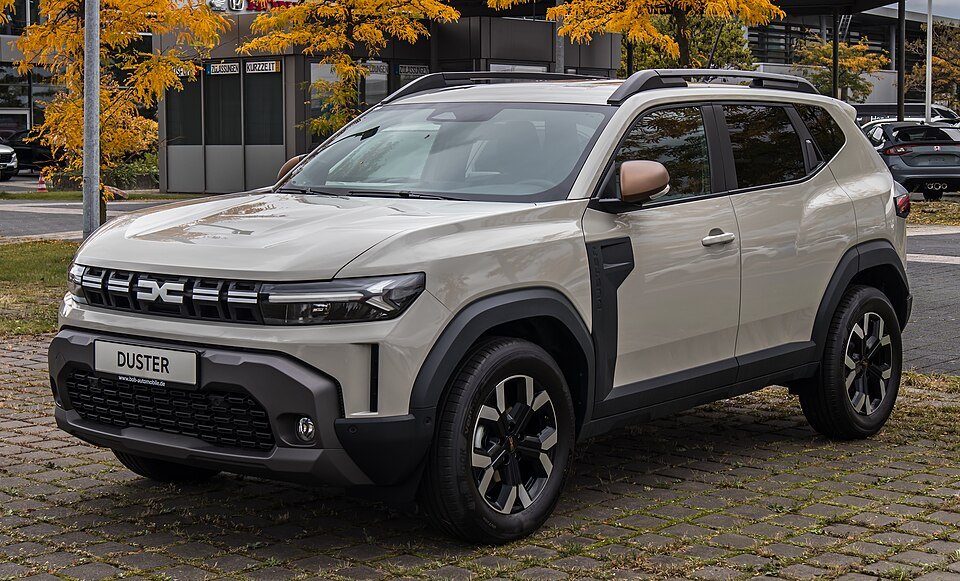
| Duster | A compact SUV available with different engines and drivetrain options. | Model reference |
Identifying a car and engine
Use the VIN, market, model year and engine code when researching servicing, tuning or parts. A model badge may cover naturally aspirated, turbocharged, supercharged, hybrid or electric versions depending on the particular vehicle. Factory fitment and aftermarket conversions are distinguished in the linked guides.
Sources and related reading
- Wikipedia: Dacia — marque history and further references.
- Tuning Wiki: illustrated turbocharged-car timeline.
- Tuning Wiki: supercharger types and Eaton guides.