Country of origin: Sweden. Part of Car makes and the history of the motor car.
History and development
Saab's car business grew out of the Swedish aircraft manufacturer after the Second World War. Early Saab cars combined aerodynamic bodies with distinctive engineering. Wikipedia: Saab history.
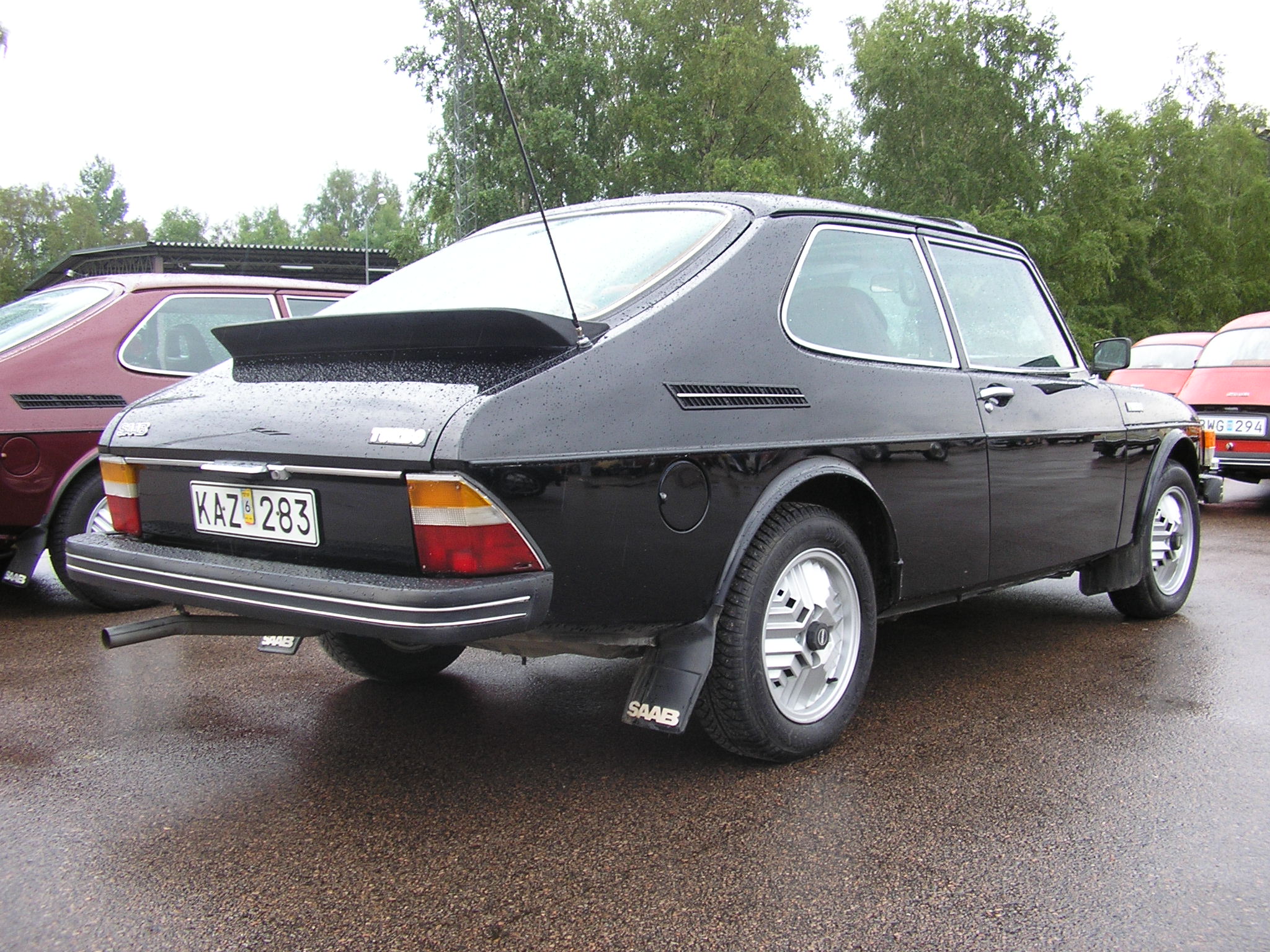
The 99 Turbo and later 900 Turbo made turbocharged performance a recognisable part of Saab's road-car identity. Saab Automobile's history ended in bankruptcy in 2011; later arrangements are separate from the original car maker.

Selected cars and engines
Examples are selected rather than a complete production list. Engine and equipment specifications can vary with year and market.
| Car | Why it matters | Evidence |
|---|---|---|
| 99 Turbo (1977 presentation / 1978 model) | The early 2.0-litre eight-valve engine paired Bosch fuel injection with a Garrett AiResearch T3 turbo. | Illustrated turbo history |
| 900 Turbo | A later Saab turbocharged range derived from the original 900 family, offered in several body styles and specifications. | Model reference |
| 92 | Saab's early post-war production car, known for its streamlined shape and two-stroke engine. | Model reference |
| 9-3 | A later compact executive model family with several petrol and diesel engine options. | Model reference |
Identifying a car and engine
Use the VIN, market, model year and engine code when researching servicing, tuning or parts. A model badge may cover naturally aspirated, turbocharged, supercharged, hybrid or electric versions depending on the particular vehicle. Factory fitment and aftermarket conversions are distinguished in the linked guides.
Sources and related reading
- Wikipedia: Saab — marque history and further references.
- Tuning Wiki: illustrated turbocharged-car timeline.
- Tuning Wiki: supercharger types and Eaton guides.