Ferrari's sports-car racing history runs from the V12 barchettas of the late 1940s to the hybrid 499P that won Le Mans in 2023, 2024 and 2025 (the 2025 win with a customer AF Corse car). This page covers the front-engined sports racers, the mid-engined prototypes of the 1960s and 1970s, the GT and endurance cars built for customers, and the current Le Mans Hypercar. Formula One cars are on Ferrari Formula One cars 1948-2025. Road-going Ferraris are listed from Ferrari: history and cars; the homologation 250 GTO has its own page at Ferrari 250 GTO.
Reliability of the figures: power figures for racing cars varied from car to car and year to year, and sources quote different tunes. Class regulations in GT racing (air restrictors, balance of performance) mean quoted outputs are not directly comparable. Unit counts for the 1960s prototypes are inconsistent between and within sources. Results are listed only where the source states them.
Front-engined sports racers (1948-1962)
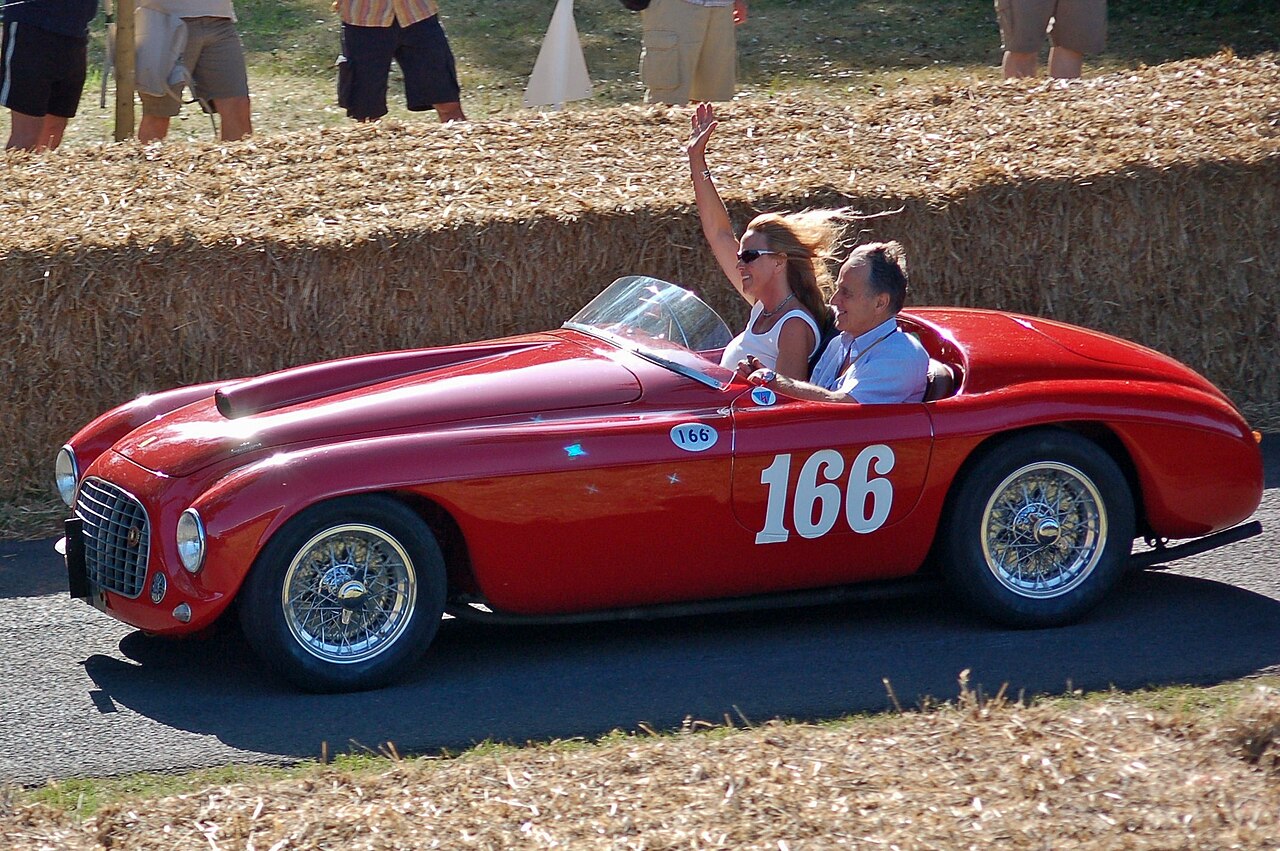

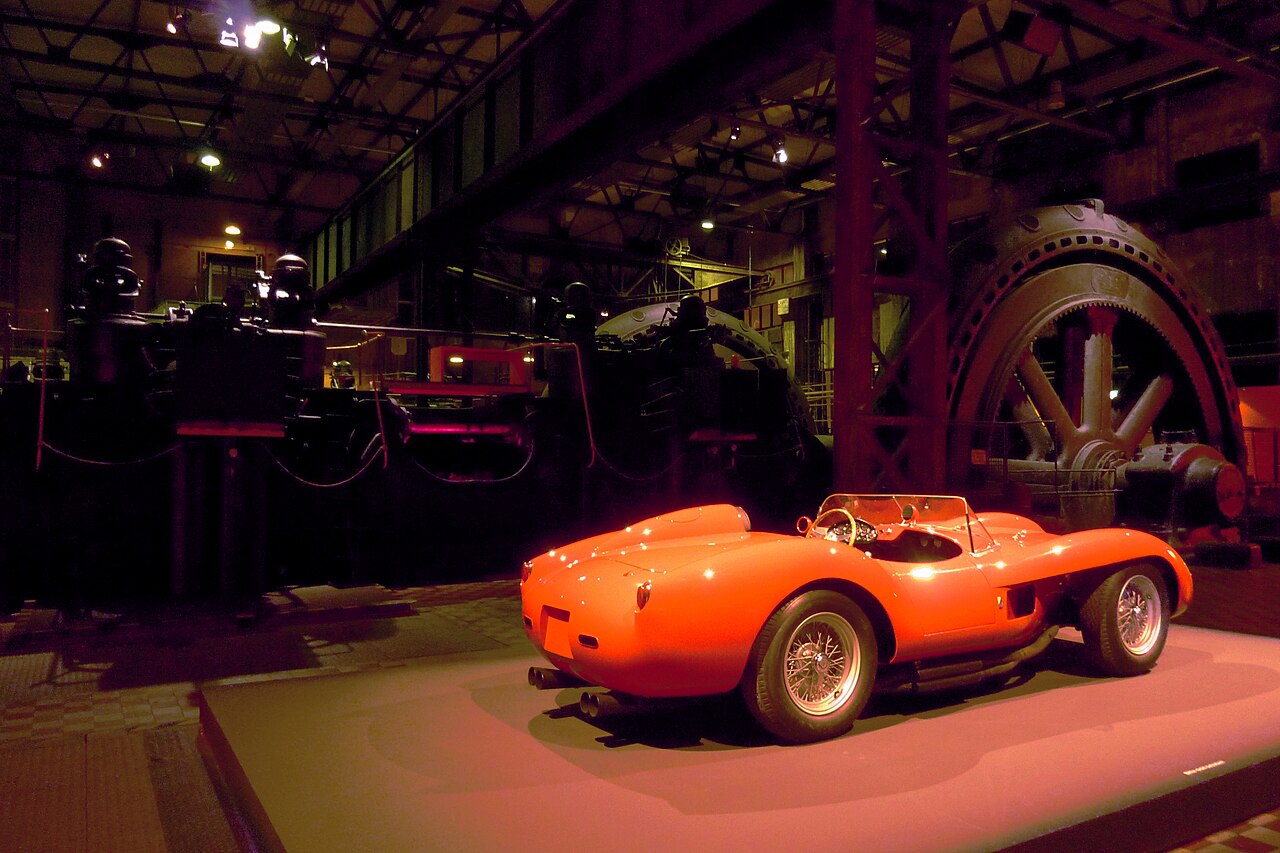

| Car | Years | Engine | Power (stated) | Units | Results |
|---|---|---|---|---|---|
| 125 S | 1947 | 1,497 cc V12 | 118 bhp at 6,800 rpm | 2 | The first Ferrari-badged car; see Ferrari 125 S |
| 166 MM | 1948–53 | 1,995 cc Colombo V12, single overhead cam | 140 PS at 6,600 rpm | 47 (including MM/53) | 1949 Mille Miglia 1-2 (Biondetti/Salani, Bonetto/Carpani); 1949 Le Mans (Chinetti/Lord Selsdon); 1949 Spa 24 Hours |
| 375 MM | 1953–55 | 4.5 L V12 (Tipo 102 factory, Tipo 108 customer) | 340 PS at 7,000 rpm | 26 (four converted from 340 MM) | 1953 Spa 24 Hours, Pescara 12 Hours, Casablanca 12 Hours, Nürburgring 1000 km; 4th and 2nd in the 1953 and 1954 Carrera Panamericana |
| 250 Testa Rossa | 1957–61 (raced to 1962) | 2,953 cc Colombo V12 (Tipo 128) | 300 hp at 7,000 rpm | 33 (19 customer) | Le Mans 1958, 1960, 1961; Sebring 12 Hours 1958, 1959, 1961; constructors' titles 1958, 1960, 1961 |
The 250 Testa Rossa was built in TR59 (disc brakes, revised body), TR60 (dry sump, tall windscreen) and TRI/61 (independent rear suspension) forms, with a four-speed gearbox in 1957–58 and a five-speed from 1959.
Mid-engined prototypes (1963-1973)
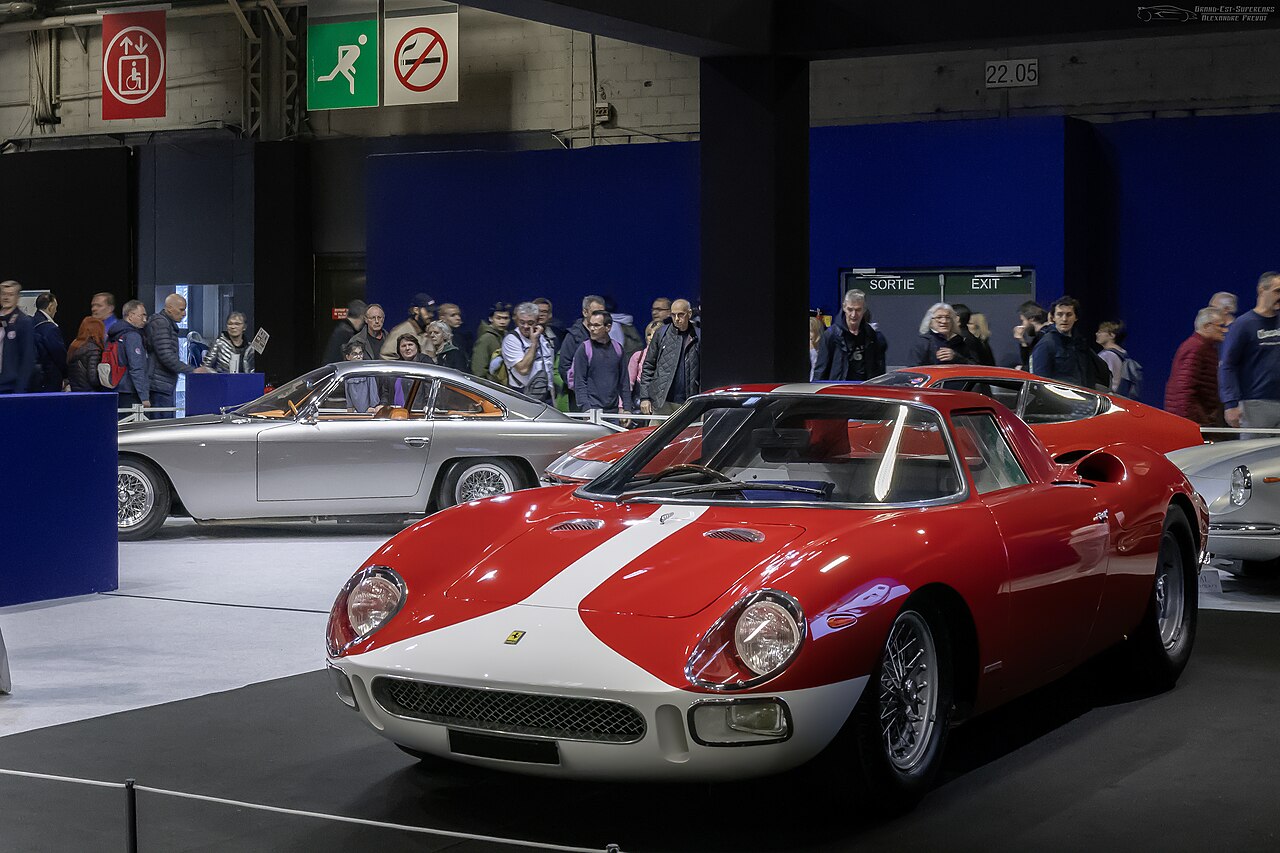

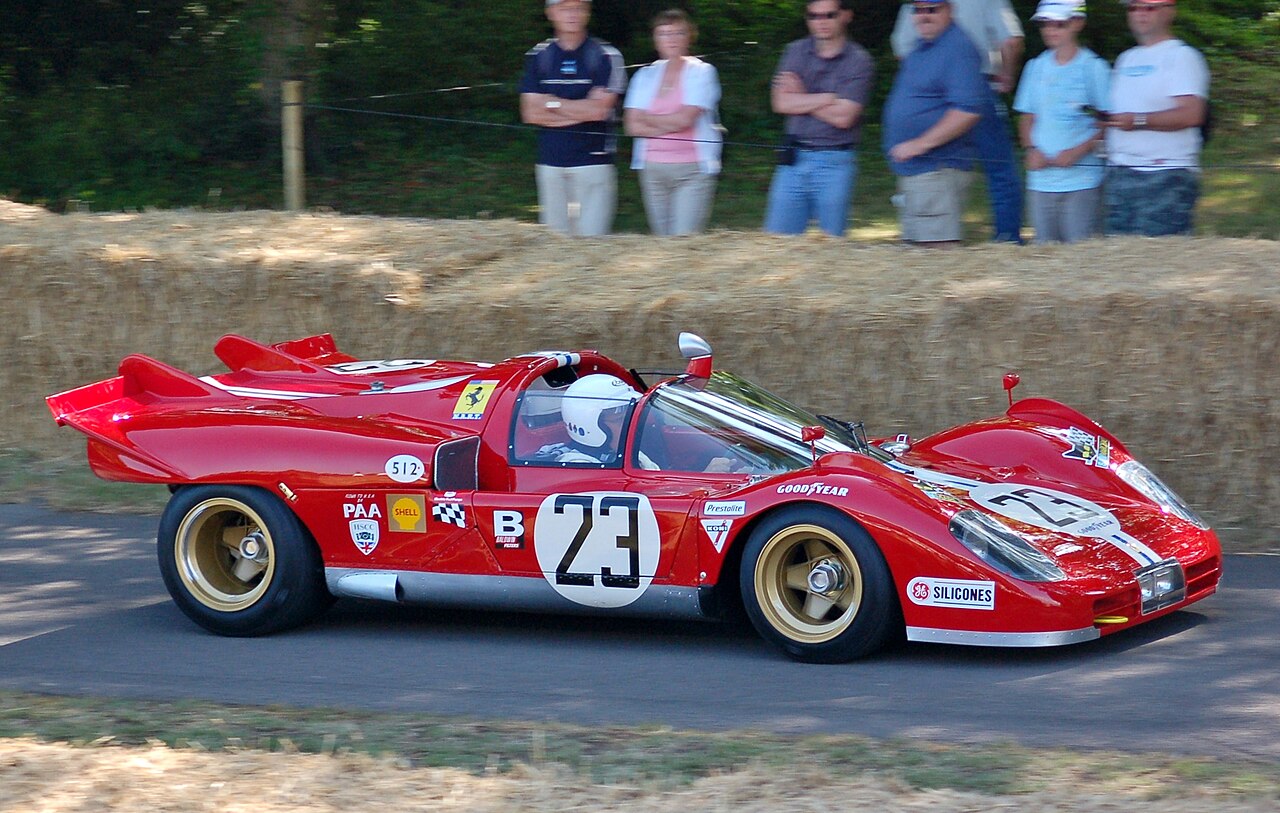

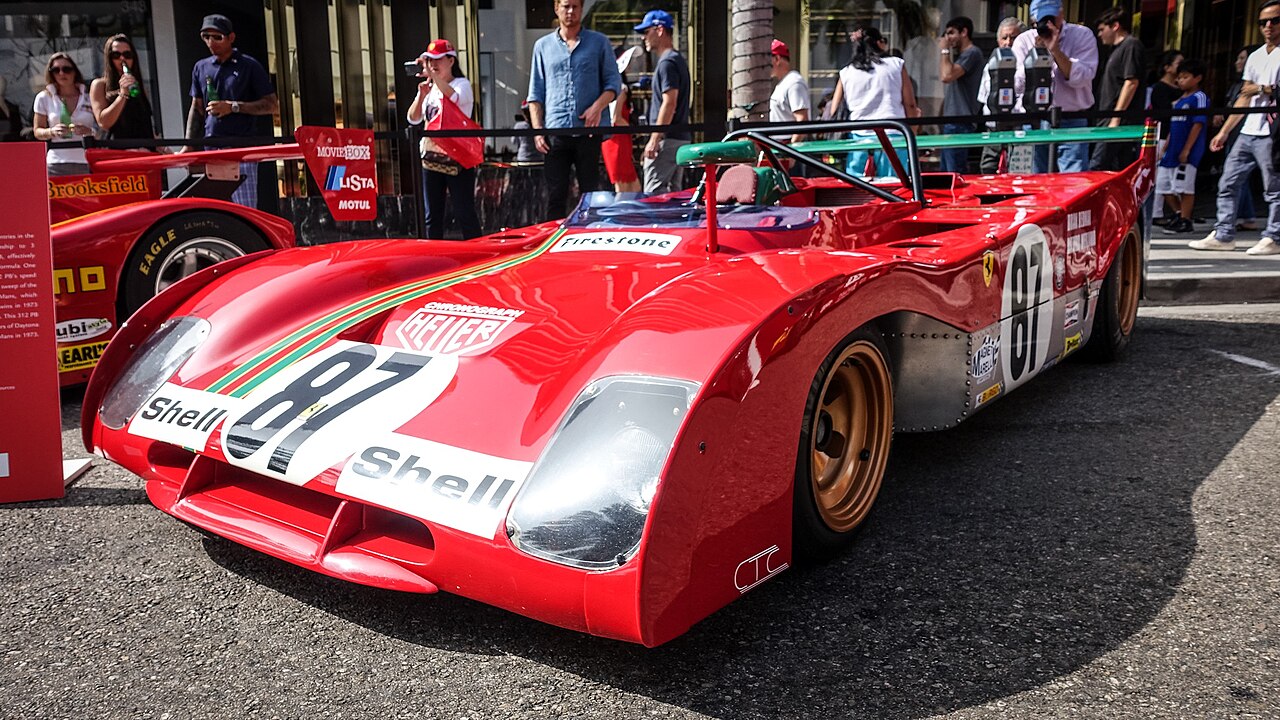

| Car | Years | Engine | Power (stated) | Units | Results |
|---|---|---|---|---|---|
| 250 P | 1963 | 2,953 cc V12, mid-mounted | 310 PS at 7,500 rpm; 435 N·m at 5,500 rpm | 4 chassis plus a mule | 1963 Le Mans, Sebring 12 Hours, Nürburgring 1000 km, Canadian Grand Prix; all converted to 275 P or 330 P after 1963 |
| 275 P | 1964 | 3,286 cc V12 | 315 bhp at 7,700 rpm | 3 | With the 330 P, a 1-2-3 at the 1964 Le Mans |
| 330 P | 1964 | 3,967 cc V12 | 365 bhp at 7,200 rpm; 450 N·m at 5,000 rpm | 3, plus 250 P conversions | as above |
| 250 LM | 1963–66 | 3,286 cc V12 | – | 32 | 1965 Le Mans (North American Racing Team), Ferrari's last Le Mans win until 2023 |
| 275 P2 | 1965 | 3,286 cc four-cam V12 | 345 bhp at 8,500 rpm (350 hp in the text) | 3 (one converted to 365 P2) | 1965 Monza 1000 km, Targa Florio |
| 330 P2 | 1965 | 3,967 cc four-cam V12 | 409 PS at 8,000 rpm | 5 | 1965 Nürburgring 1000 km; both Le Mans entries failed |
| 330 P3 | 1966 | 3,967 cc V12 | 420 PS at 8,000 rpm | 3 per infobox (five chassis in the text) | 1966 Monza 1000 km, Spa 1000 km |
| 330 P4 / 412 P | 1967 | 3,967 cc V12 | 450 PS (P4) or 420 PS (412 P) at 8,000 rpm | P4: 4; 412 P: 2 per infobox | 1967 Daytona 24 Hours 1-2-3 (two P4s and a 412 P); 1967 Monza 1000 km. Not eligible for the 1968 championship |
| 312 P | 1969–70 | 2,991 cc V12, derived from the F1 312 engine | 450 PS at 10,800 rpm; 465 N·m | 3 per infobox | 3 wins in 15 races from 20 entries |
| 512 S / 512 M | 1969–71 | 4,994 cc 60° V12, four valves per cylinder | 550 hp at 8,500 rpm (512 S); 610 hp at 9,000 rpm (512 M) | 25 homologated (17 complete cars, 8 kits) | 1970 Sebring 12 Hours (the only 512 world championship win); 1970 Kyalami 9 Hours (as a 512 M) |
| 312 PB | 1971–73 | 2,991 cc flat-12 (Tipo 001) | 470 PS at 10,800 rpm; 541 N·m | – | Won every 1972 World Sportscar Championship race entered, and the constructors' title; second at Le Mans 1973 |
The Ford GT40 opposition and the shift of Ferrari's effort to Formula One explain why the 512 S and 312 PB programmes were short. Ferrari did not win Le Mans overall between 1965 and 2023.
GT and endurance cars (1978-2008)
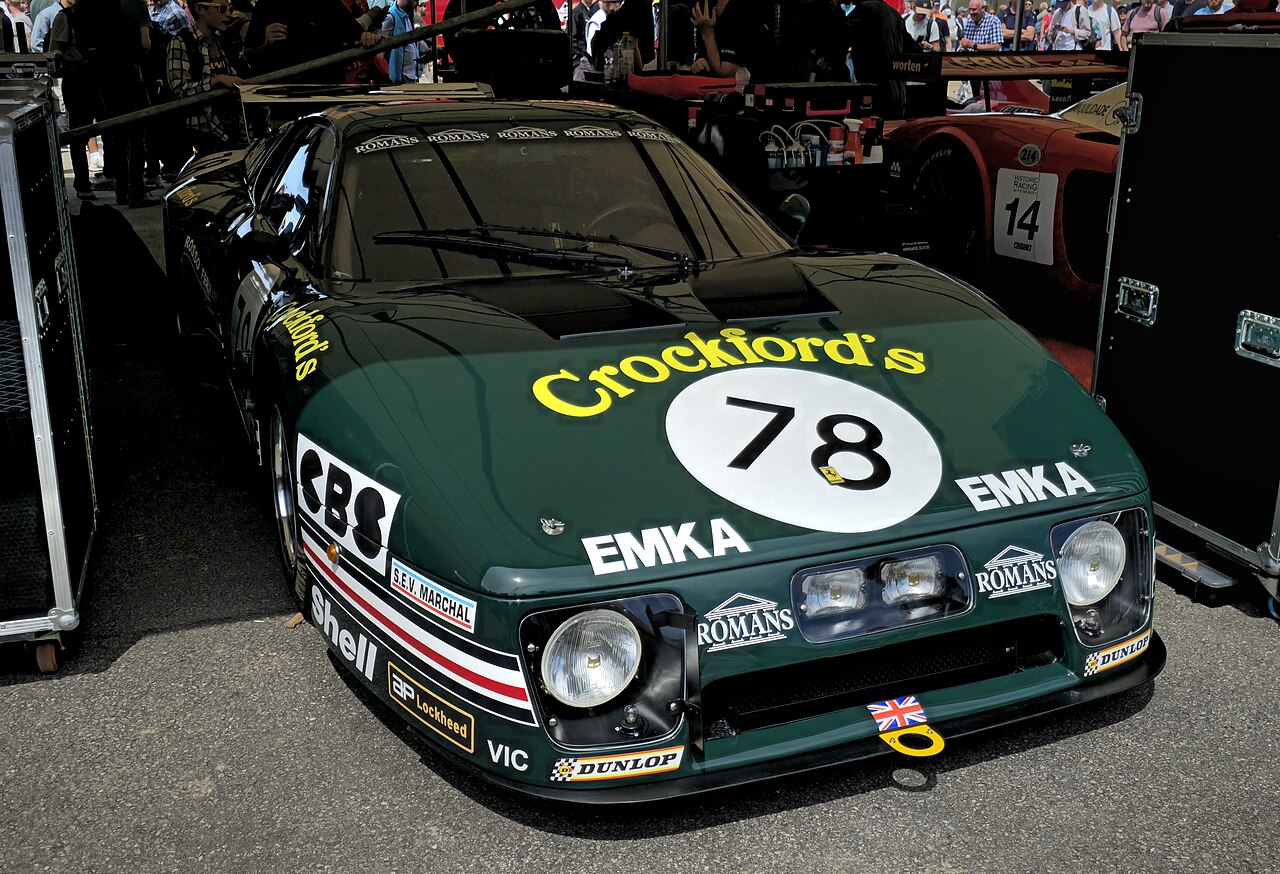

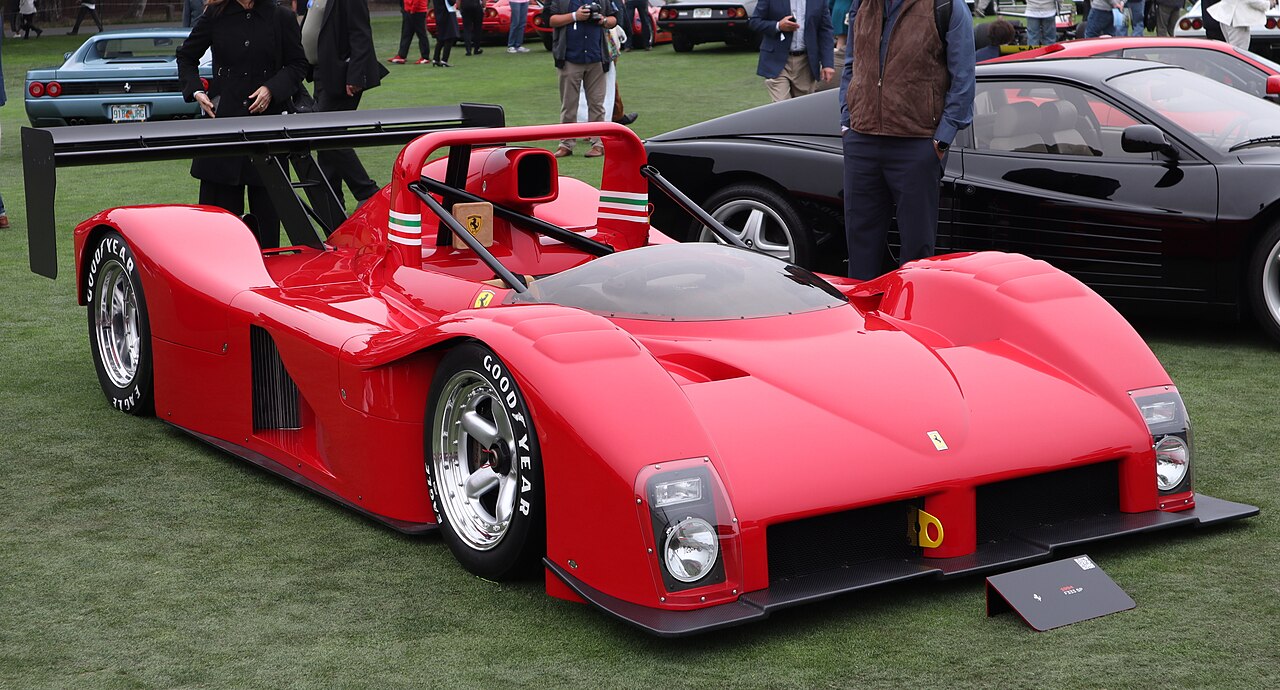

| Car | Years | Engine | Power (stated) | Units | Results |
|---|---|---|---|---|---|
| 512 BB LM | 1978–85 | 4,943 cc flat-12 (BB 512 engine), Lucas mechanical fuel injection on the S2 | 400–440 bhp (S1); 470–480 bhp (S2) | 25 S2 cars (nine in 1979, sixteen 1980–82) plus S1 cars | 1978 Le Mans: three factory cars retired; 1981 5th overall and winner of the GTX class; 1980 10th, 1982 6th |
| F40 LM | 1989–96 | twin-turbo V8 | – | 3 prepared, 2 raced (19 produced in total per another passage) | 3rd on its 1989 IMSA GTO debut; won the Anderstorp 4 Hours in 1995 and 1996 |
| F40 GTE | 1995–96 | 3.5 L (1995), 3.6 L (1996) | 620 PS | 7, converted by Michelotto | BPR Global GT; 18th overall (9th in class) at Le Mans 1995; one win, Anderstorp 1996 |
| F40 Competizione | – | twin-turbo V8 | 700 PS at 8,100 rpm | 10 (including the first two LMs) | no results listed; one car ran in the Ferrari Challenge |
| 333 SP | 1994–2003 | 4.0 L V12 (F130 E), derived from the 1990 F1 engine | 650 PS at 11,000 rpm | 40 chassis (4 Ferrari, 11 Dallara, 26 Michelotto) | IMSA makes titles 1995 and 1998 (Fermín Vélez drivers' title in 1995); FIA Sportscar Championship 1999–2001 with JMB; 6th at Le Mans 1997; 8th overall and LMP1 class winner 1998 |
| F50 GT | 1996 test | 4.7 L V12, tuned | about 750 bhp at 10,500 rpm | 3 completed (6 planned) | did not race: the BPR series folded and the project was cancelled |
| 360 GT / 360 GTC | 2001– | 3.6 L V8 | 436 PS (GT); 479 PS (GTC, 30.8 mm restrictors) | about 20 360 GTs sold 2002–04 | 2001 FIA GT N-GT cups for drivers and teams (JMB Giesse) |
| F430 GTC (GT2) | 2006– | 4.0 L V8 (destroked from 4.3 L) | 445 PS | – | GT2 class titles in the American Le Mans Series and FIA GT; Le Mans class wins 2008 and 2009; Sebring 2007, 2009, 2010; Spa 24 Hours 2006, 2008, 2009 |
| F430 GT3 | 2006– | 4.3 L V8 | 558 PS | – | about 8 seconds a lap slower than the GT2 car at the 2007 Spa 24 Hours |
Modern GT and Hypercar (2011-2025)
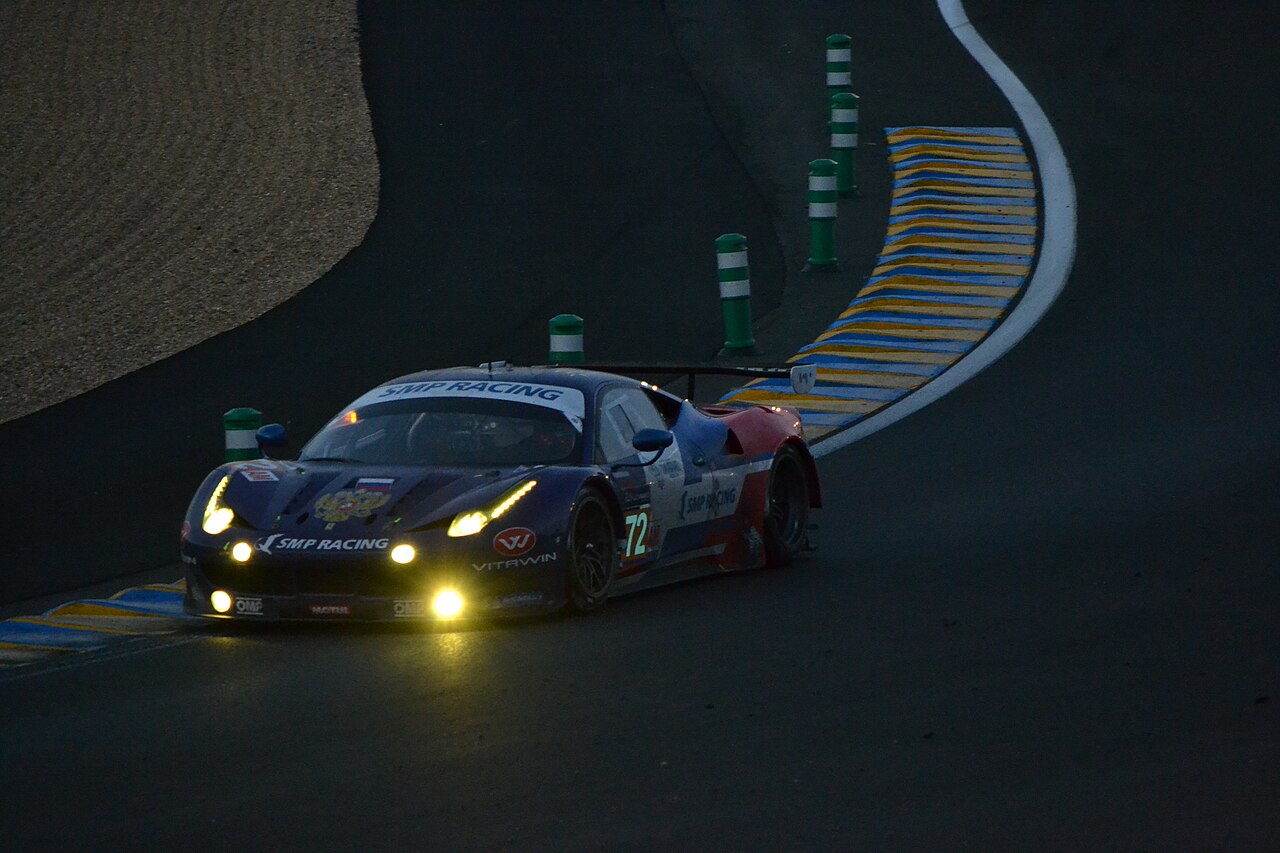




| Car | Years | Engine | Power (stated) | Results |
|---|---|---|---|---|
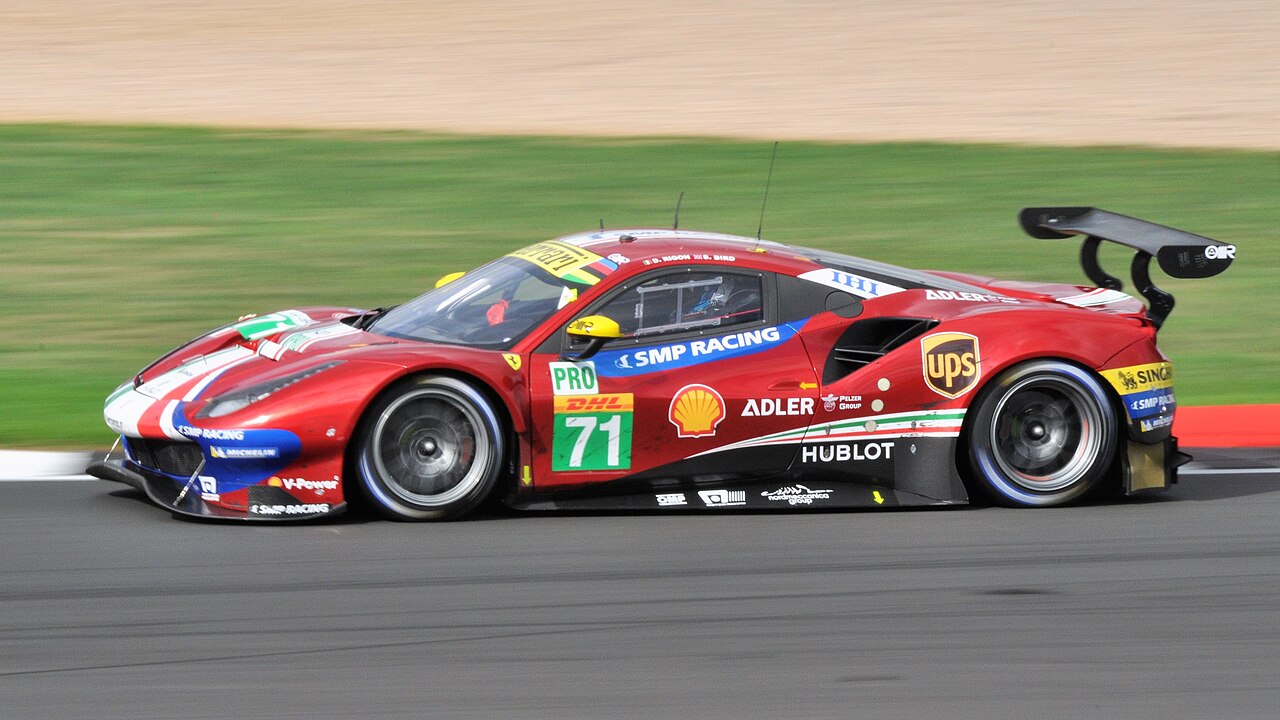
| 458 Italia GT2 | 2011–15 (built by Michelotto) | 4,498 cc F136 V8 | 471 PS at 6,250 rpm; 520 N·m at 5,750 rpm; 1,245 kg | Le Mans GTE class 2012 and 2014; Sebring 2012; Petit Le Mans 2011 and 2012; WEC GTE manufacturers' title 2012–14; 104 wins and 15 team titles in total per the source |
| 458 Italia GT3 | 2011– | F136 V8 | about 558 PS | six Spa 24 Hours wins; Blancpain Endurance GT3 titles 2011, 2012 and 2014 |
| 488 GTE | 2016–23 | 3,996 cc F154 CB twin-turbo V8 | over 608 PS at 6,000 rpm; 700 N·m at 5,200 rpm; 1,245 kg | 80 races, 45 wins, 24 poles; WEC manufacturers' title 2016, 2017, 2021, 2022; teams' titles in WEC and the European Le Mans Series 2017, 2019, 2021 |
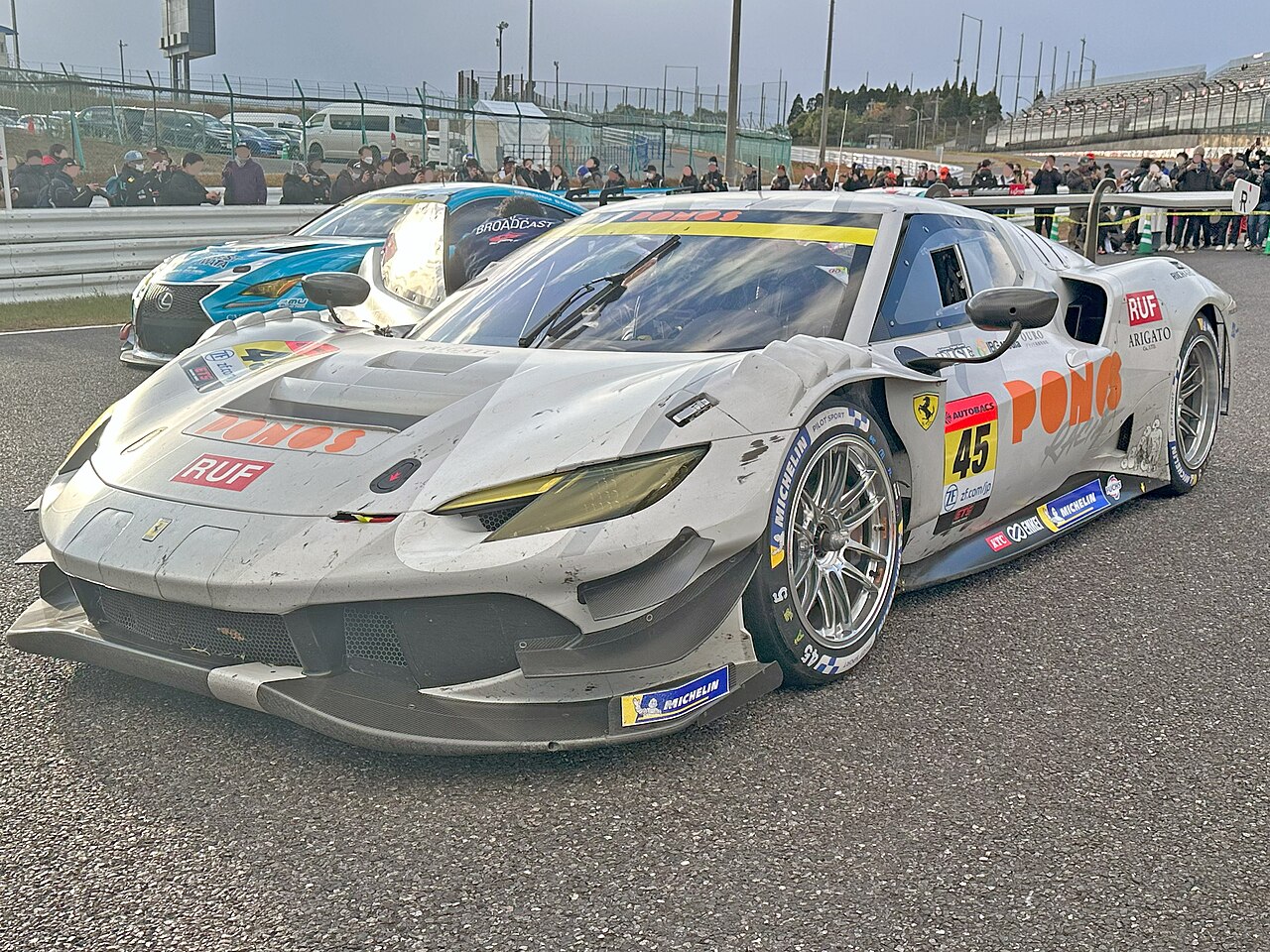
| 296 GT3 | 2023– | engine not stated in the source | – | 2023 Nürburgring 24 Hours (Frikadelli); 2024 Daytona 24 Hours GTD Pro (Risi); 2024 WEC LMGT3 wins at Fuji and Bahrain; 2024 GT World Challenge Europe Endurance Cup titles; 2025 Spa 6 Hours LMGT3. An Evo version was announced for 2026 |
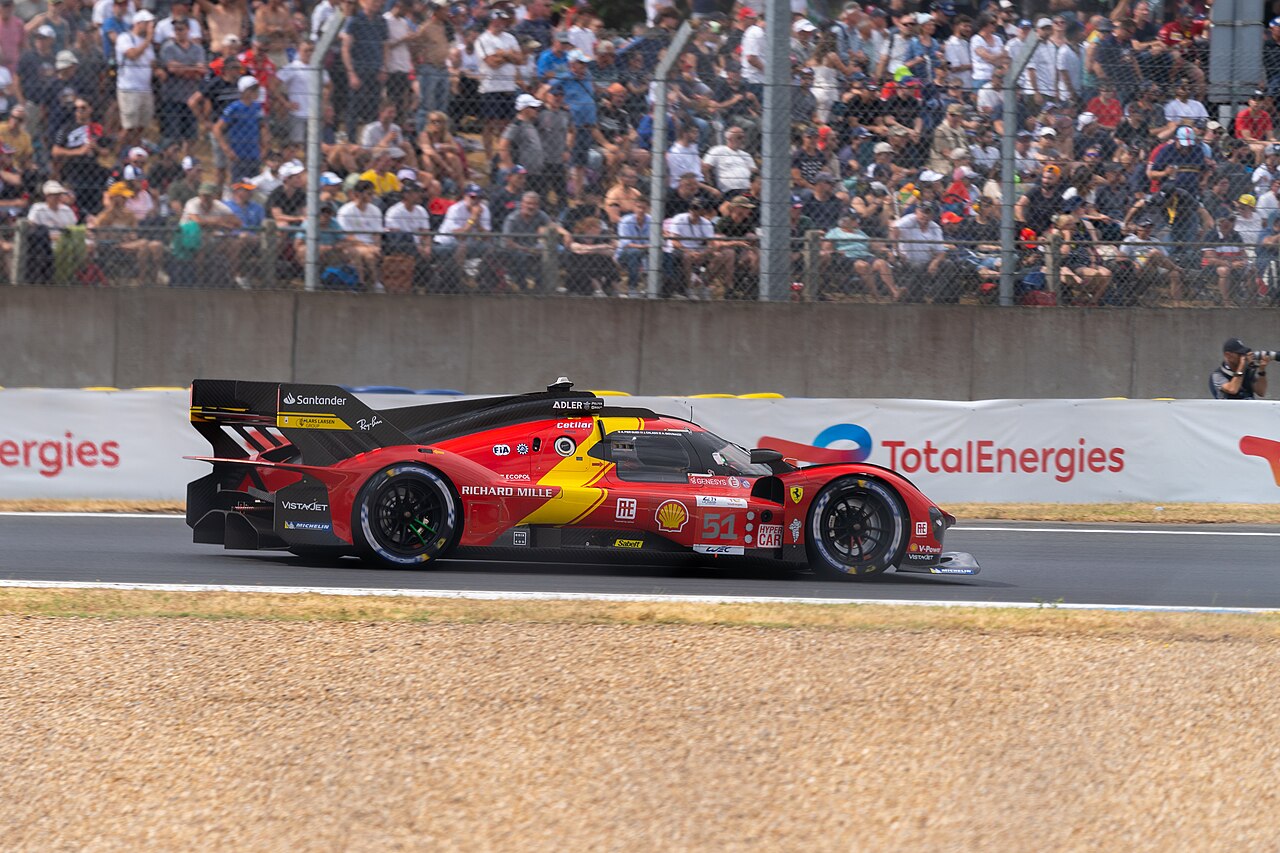
| 499P (F255) | 2023– | 2,992 cc F163 CG twin-turbo 120° V6, stressed member; 200 kW (272 PS) front-axle electric motor | about 500 kW (671 bhp) combined; 1,030 kg | Le Mans winner 2023 (Giovinazzi/Pier Guidi/Calado, car 51), 2024 (Fuoco/Molina/Nielsen, car 50) and 2025 (AF Corse customer car 83); 2025 WEC teams', constructors' and drivers' titles |
The 499P's electric motor drives the front wheels, giving semi-permanent all-wheel drive; its recovery system is the car's energy recovery system rather than a plug-in battery. The battery is stated as 900 V in the text and 800 V in the infobox. The 2025 Le Mans win was by the customer car; the factory car 50 finished fourth and was later disqualified.
Not established
- Power figures for the 250 LM and 312 PB beyond those listed, and a firm unit count for the 312 PB.
- The 296 GT3's engine specification and power; the source does not state them.
- The 488 GT3, 360 N-GT and 550 and 575M GTC cars, and the 365 GTB/4 Competizione and 250 GT SWB racing cars are not covered by the sources used. The 2021 and later Ferrari Challenge cars and the XX programme cars are also outside this page.
- Unit counts for the 330 P3 and 412 P conflict within the source.
Sources
- Wikipedia: List of Ferrari competition cars, accessed 19 November 2026.
- Ferrari 166 MM, 375 MM and 250 Testa Rossa (Wikipedia), accessed 19 November 2026.
- Ferrari 250 P (covering the 275 P, 330 P, 275 P2 and 330 P2), 250 LM, 330 P4, 312 P, 312 PB and 512 S (Wikipedia), accessed 19 November 2026.
- 512 BB LM, F40 Competizione, 333 SP, F50 GT, 360 Modena GT and F430 GT2 (Wikipedia), accessed 19 November 2026.
- 458 Italia GT2, 488 GTE, 296 GT3 and 499P (Wikipedia), accessed 19 November 2026.
- Related wiki pages: Ferrari: history and cars, Ferrari flat-12 and mid-engine flagship cars.