These cars sit at the end of the Biturbo line, before the Ferrari-era engines that replaced them. Figures are from the sources listed below and are manufacturer or encyclopaedia figures; sources disagree on some details, noted where they do.
Karif (1988–91)


- 221 built. A shortened-wheelbase fixed-roof coupé using the Spyder floorpan.
- 2.8 litre twin-turbo V6 (AM 473), three valves per cylinder. Maserati rates it at 285 PS at 5,500 rpm; other figures of 248 PS and 225 PS (catalyst) are also quoted.
- 5-speed ZF dog-leg manual and a GKN Ranger limited-slip differential.
Shamal (1990–96)
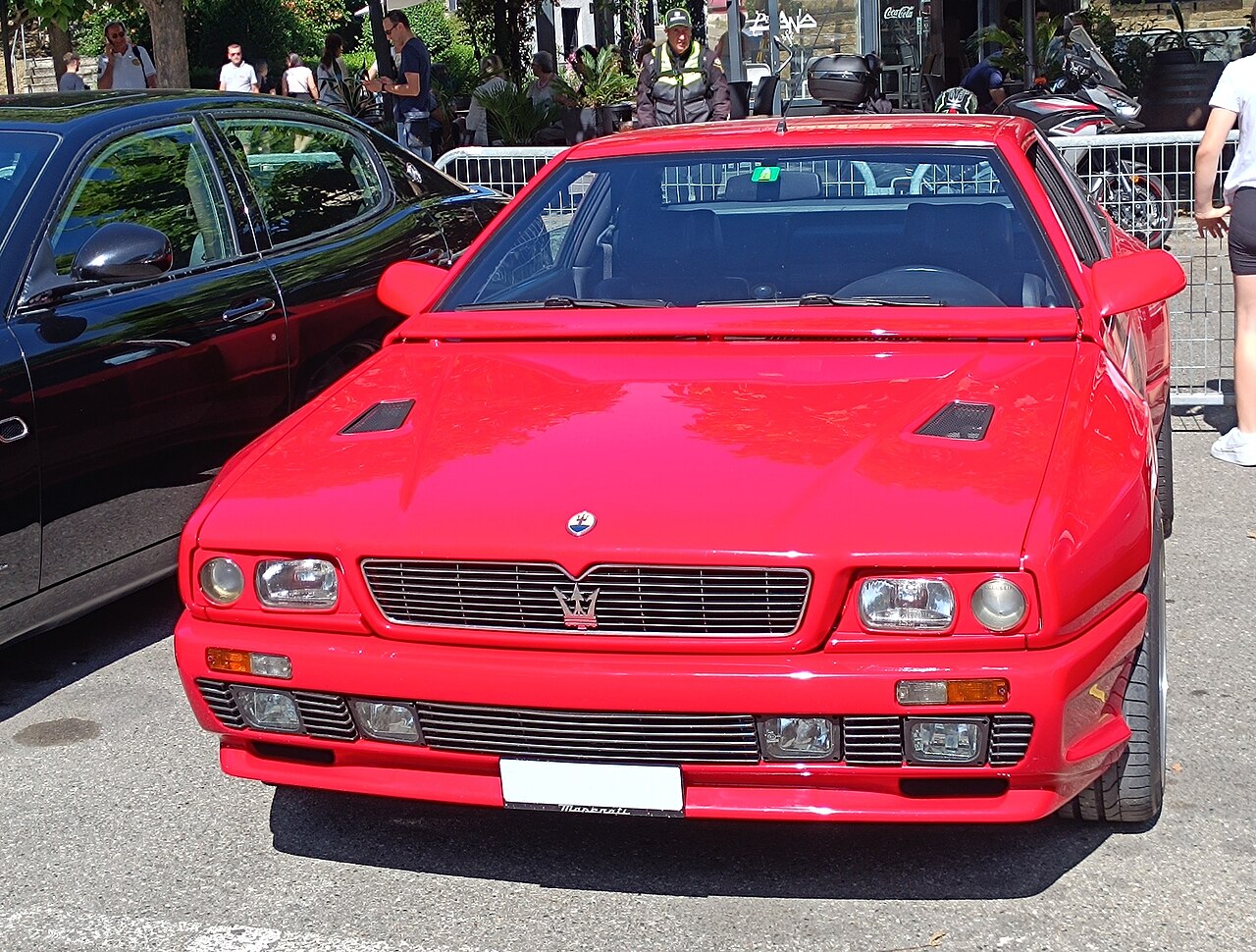

- 369 built. Launched in Modena in December 1989 on the same 2,400 mm wheelbase as the Karif and Spyder.
- 3.2 litre twin-turbo V8 (AM 479): 80 × 80 mm, four valves per cylinder, two IHI turbochargers, two intercoolers. 326 PS at 6,000 rpm and 431 N·m at 3,000 rpm.
- Marelli IAW integrated ignition and injection, one ECU per cylinder bank.
- 6-speed Getrag manual, Ranger limited-slip differential, adaptive Koni dampers.
- Claimed top speed 270 km/h and 0–100 km/h in 5.3 s.
Barchetta (1991–92)


- A mid-engined, race-oriented two-seater; 17 built in total, including the single road-going Stradale and the Corsa racing cars.
- 2.0 litre 24-valve twin-turbo V6, 315 PS at 7,200 rpm; its code is given as AM501 on one page and AM490 in the Biturbo table.
Ghibli II (1992–98)
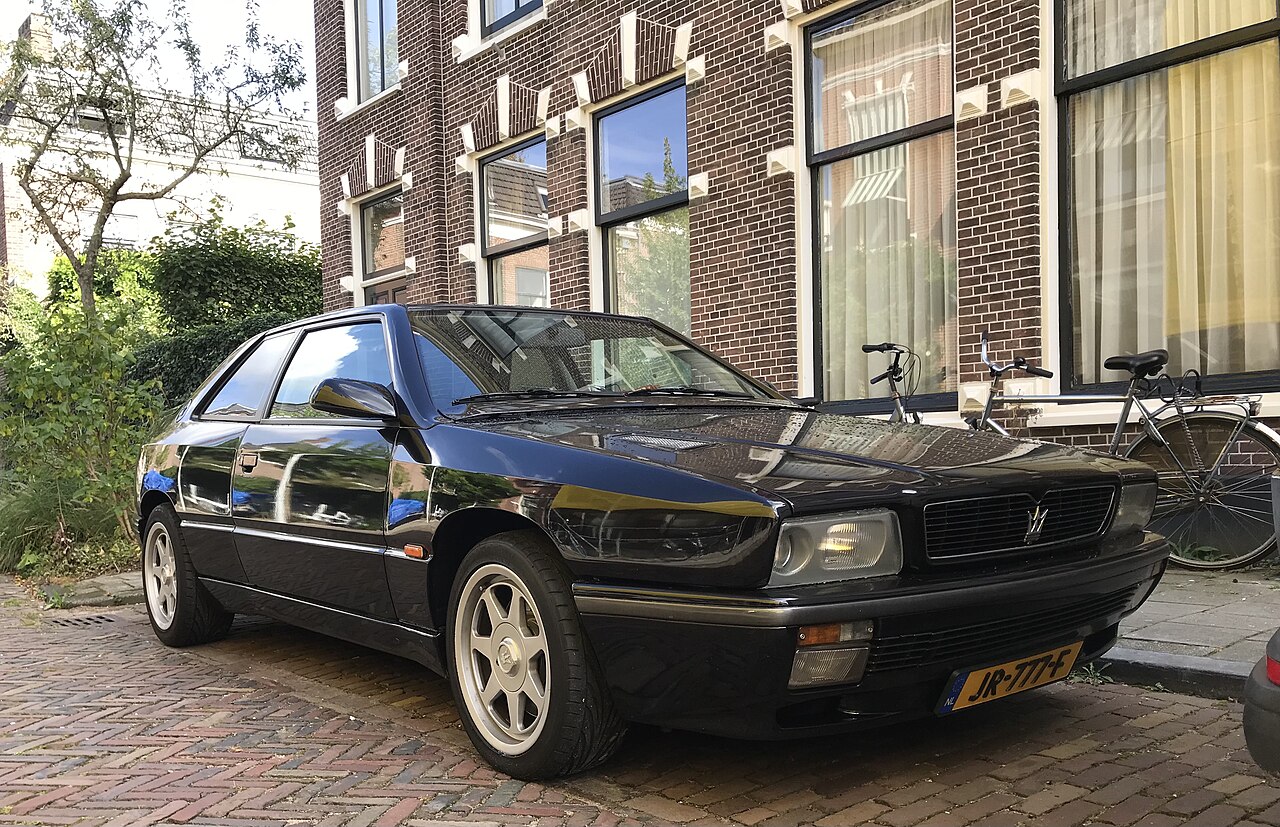


- 2,337 built. Two 24-valve twin-turbo V6 variants: a 2.0 for Italy and Europe (306 PS at 6,250 rpm, 373 N·m) and a 2.8 for export (284 PS at 6,000 rpm, 413 N·m, AM 574).
- Weber-Magneti Marelli IAW injection and ignition, two IHI turbos and two air-to-air intercoolers.
- 2.0 cars use the Shamal's 6-speed Getrag. The 2.8 started with a 5-speed ZF and moved to the Getrag in 1995. A 4-speed automatic was optional.
- Ghibli Cup (1996–97, 57 built): 330 PS. The Ghibli Open Cup race series ran in 1995–96.
- The Ghibli GT arrived in 1996 with seven-spoke wheels and suspension and transmission changes.
Quattroporte IV (1994–2001)
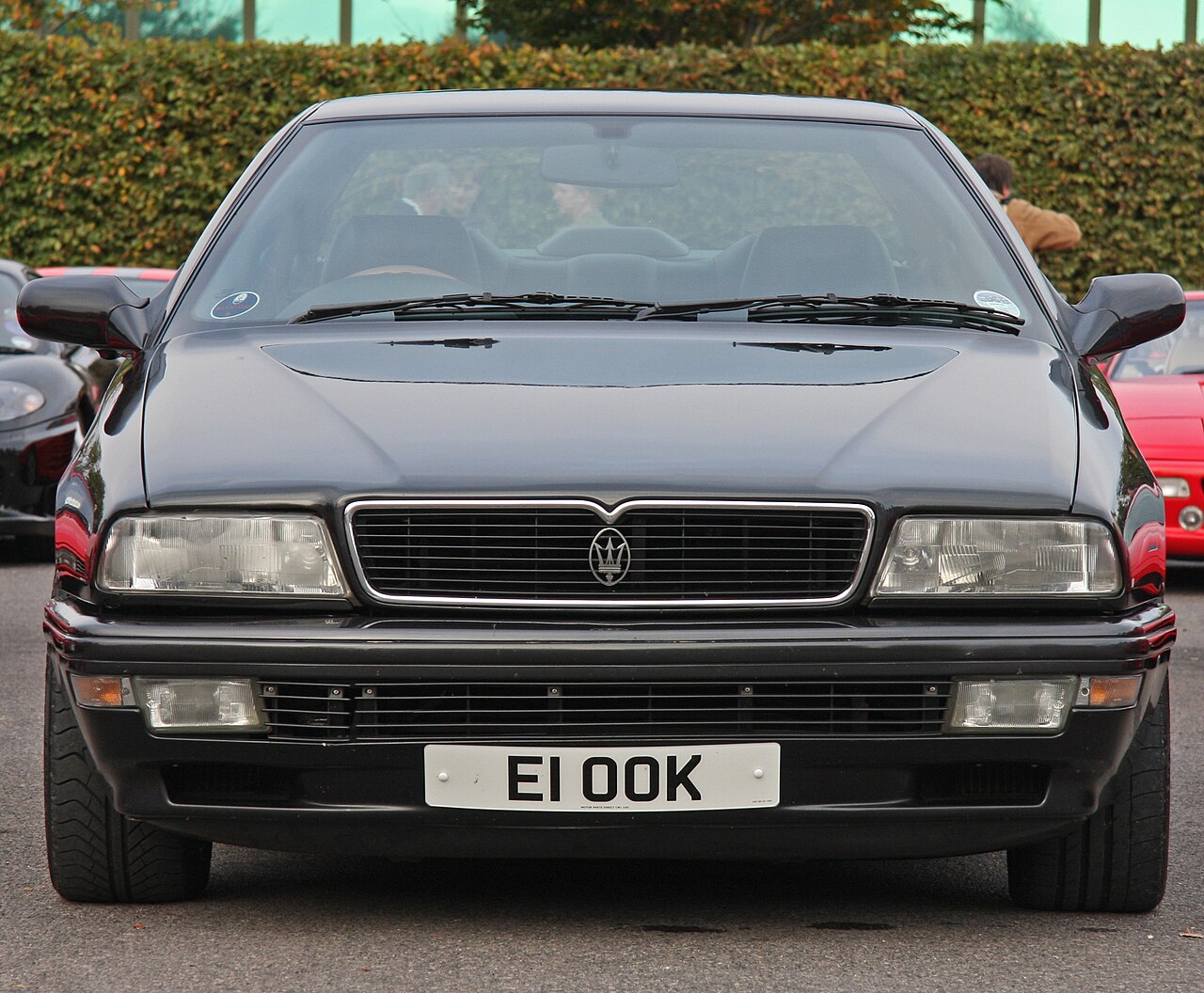

- About 2,400 built, including 730 Evoluzione cars; a stretched Biturbo platform styled by Marcello Gandini.
- 2.0 V6 (283 hp, 362 N·m; 587 cars to 1998), 2.8 V6 (280 hp, 413 N·m; 668 cars to 1998) and from 1996 a 3.2 V8 (AM 578, 335 PS at 6,400 rpm, 450 N·m; 415 cars to 1998).
- The 2.0 existed because of Italian tax on engines over two litres.
- Gearboxes: 6-speed Getrag 266 manual; ZF 4HP22 or BTR M72LE 4-speed automatic.
- Ferrari took a 50% controlling stake in Maserati in July 1997, and the Evoluzione launched at Geneva in March 1998 with a large share of components revised.
- No source gave injection or ECU details for this car; do not assume they match the Shamal. Service intervals and faults are on the Quattroporte IV and 3.2 V8 page.
Source conflicts
- Engine codes differ between the Ghibli, Quattroporte and Barchetta pages; confirm from the engine plate.
- The Ghibli is dated 1992–97 or 1992–98 depending on source.
Related: Biturbo family models and years, engines, Quattroporte generations and engines.