Essential cookies keep the website secure and working. With your permission, we’ll also use optional cookies for analytics, chat and advertising.
Read our cookie policy.
Cookie settings
Choose your optional cookies
Switch optional categories on or off. Saving replaces your current choice, and you can change it later.
Load a 2 KB or 4 KB CAS1 EEPROM, a 4 KB CAS2, CAS3 / CAS3+ or CAS4 version 1 EEPROM, or a 32 KB CAS4 version 2 D-flash backup. Inspect the module, edit supported values and download a separate BIN.
Choose the CAS version after opening your file. Recognised layouts are selected automatically. CAS4 support is available for evaluation; vehicle testing is pending.
BIN
File checks and limitations
Recovered checksums are updated for supported field edits. CAS4 version 1 key records retain supplied integrity bytes. Version 2 status/ID edits update both copies and their CRCs. Review existing file inconsistencies before saving. Edited files have not been validated on vehicle hardware.
BMW CAS types: CAS1 to CAS4, FEM, BDC and BDC2
Modules, key transponders & connections
CAS means Car Access System. Use this guide to compare BMW access-control ECUs and the later FEM / BDC body controllers. Check the module label, diagnostic identification and chip marking; model year or housing colour alone is not enough.
Key transponders are separate from the module MCU shown on a PCB. ID46 / HITAG2 and ID49 / HITAG Pro describe key families; match the full chip marking, key part number and reader result. The remote's 315 / 434 / 868 MHz frequency does not identify its transponder type.
This editor reads and edits supported 2 KB and 4 KB CAS1 EEPROMs, 4 KB CAS2, CAS3 / CAS3+ and CAS4 version 1 EEPROMs, plus the 32 KB CAS4 version 2 D-flash layout. CAS4 support is available for evaluation. The other generations below are identification references.
Later body-controller generations: FEM → BDC → BDC2. Introduction dates differ by platform, so confirm the fitted generation before choosing a key, file layout or bench connection.
The first BMW Car Access System generation, associated with the E65 / E66 7 Series. This unit combines the CAS electronics with the ignition switch assembly.
Example label
61.32-6 935 612 · E65 CAS / ZAS
Key transponder
ID46 / HITAG2. PCF7936 transponder; PCF7942AT remote-key example on E65 / E66 / E67.
MCU reference
0K50E uses the 2 KB EEPROM layout; 2K79X / 0L01Y use the 4 KB layout. Confirm the mask on the board.
File editing
2 KB 0K50E and 4 KB 2K79X / 0L01Y. VIN, ECU ISN, mechanical key code, colour, frequency and ten key/remote records. Mileage is read only.
Match the BMW part number and hardware revision. The CAS1 assembly has a different shape and file layout from later rectangular CAS modules.
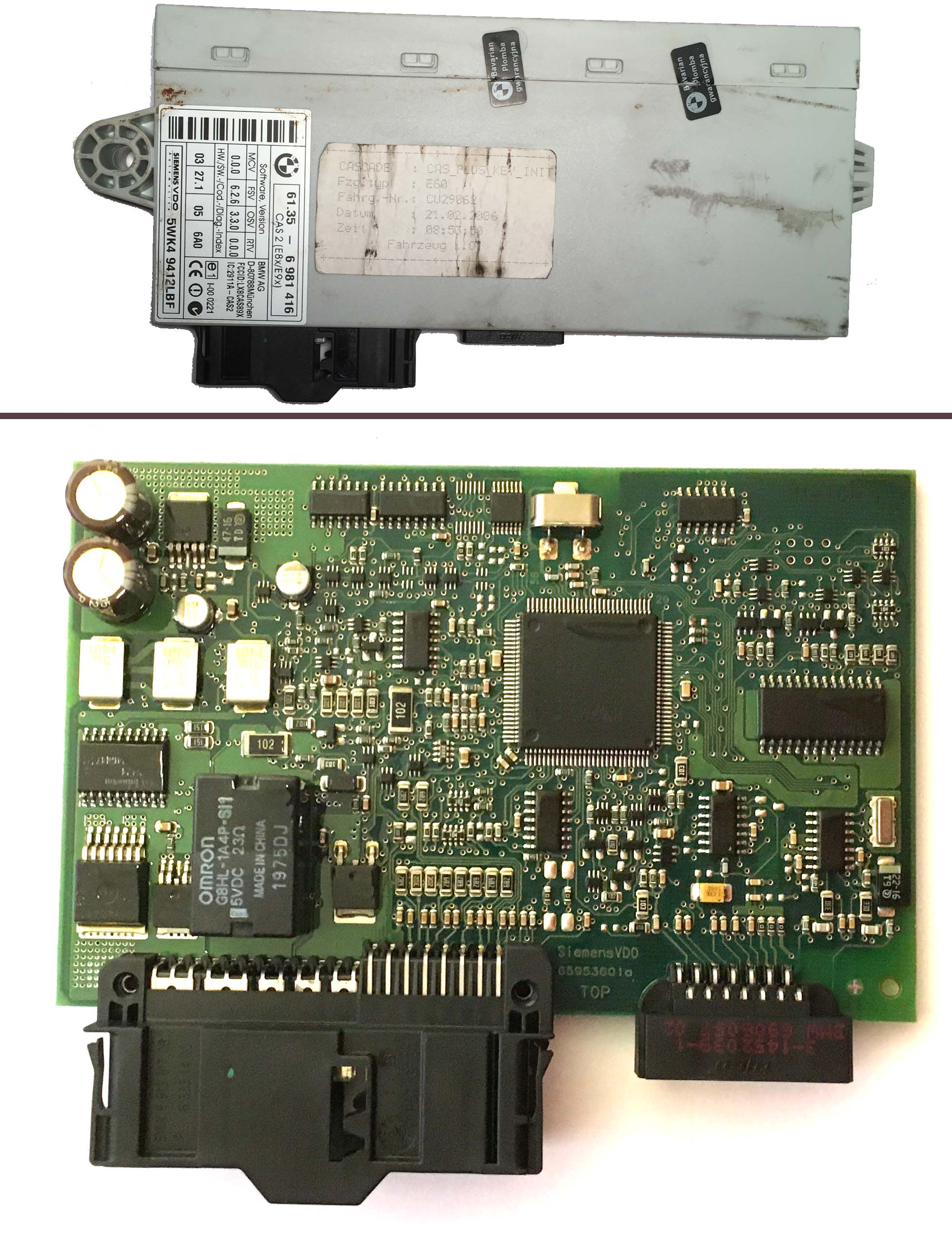
An earlier E-series access and start-authorisation module, used before the CAS3 generation. The illustrated unit has a grey case and a separate connector edge.
Example label
61.35-6 981 416 · CAS 2 (E8x/E9x)
Key transponder
ID46 / HITAG2. PCF7936 / PCF7936AS transponder; PCF7943 / PCF7944 / PCF7945 remote variants, depending on the key.
MCU references
2K79X and 0L01Y masks are documented by CG-PRO.
File editing
Supported 4 KB CAS2 layout only
Read the label and chip marking together. Case colour alone is not a reliable way to select an EEPROM layout.
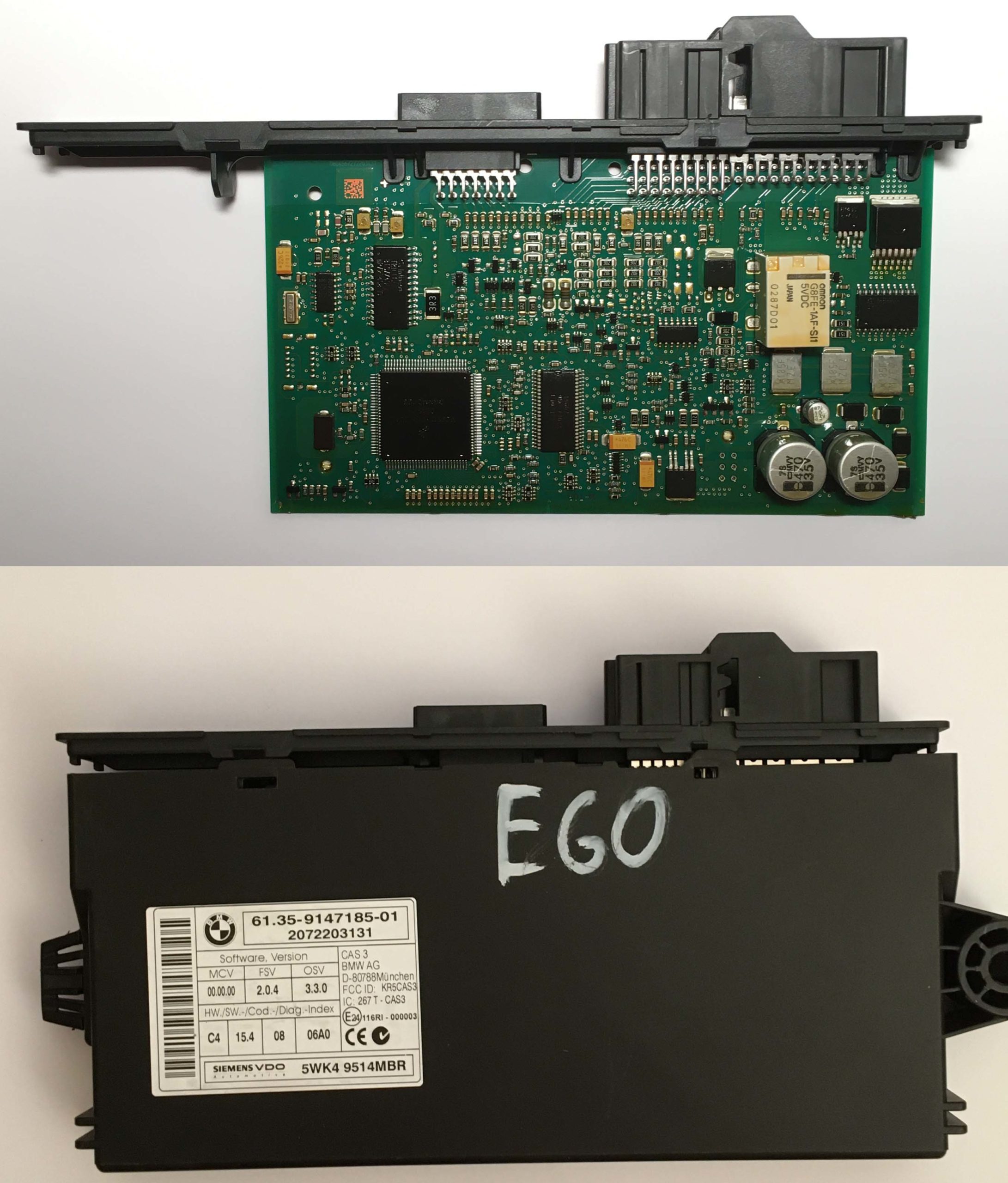
CAS3 continues the access, terminal-control and start-authorisation functions of CAS2. BMW used CAS3 with different EWS immobiliser protocols, depending on the engine management fitted.
BMW applications
E70 X5 and other E-series vehicles; confirm the fitted unit.
Example label
61.35-9147185-01 · CAS 3
Key transponder
ID46 / HITAG2. PCF7936 transponder or PCF7945 remote; PCF7952 / PCF7953 variants appear in Comfort Access keys.
File editing
Supported 4 KB CAS3 / CAS3+ layout only
A CAS3 housing label does not distinguish every CAS3 / CAS3+ software variant. Verify the hardware, software and file layout before editing.
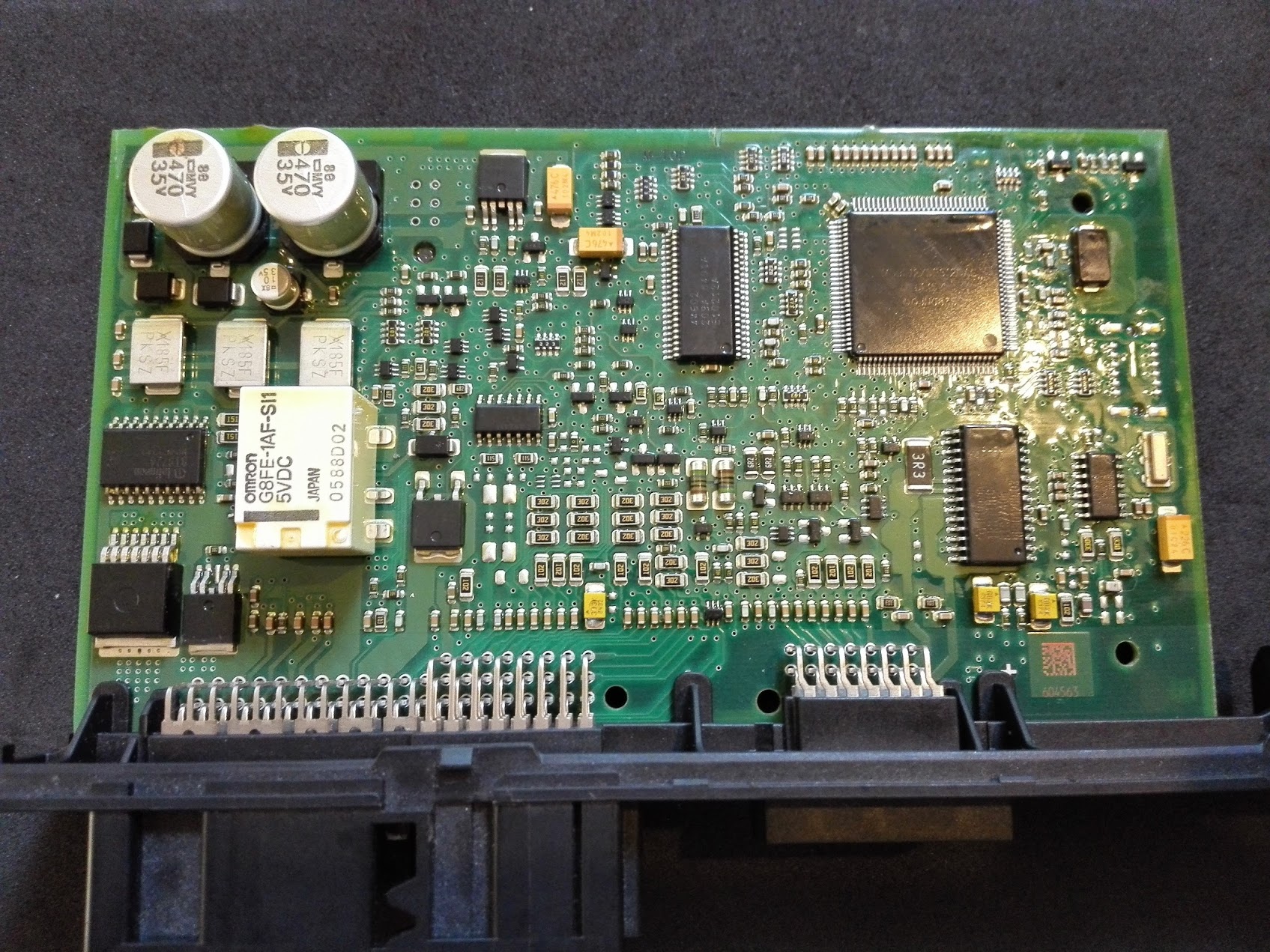
CAS3+ is the workshop name for later CAS3 variants. Security data can be encrypted, so raw ISN bytes in an EEPROM file are not necessarily a usable plaintext ISN.
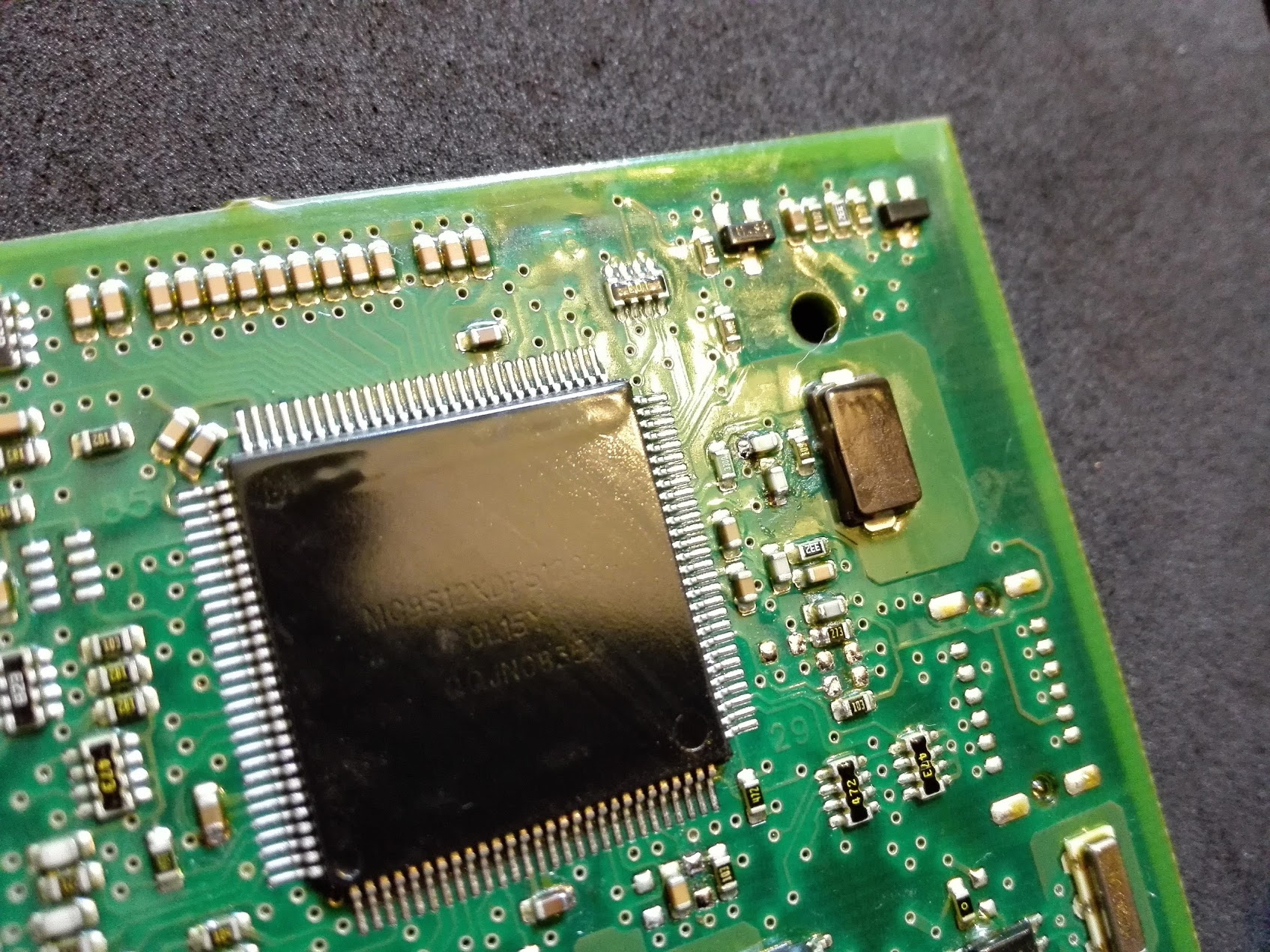
MCU shown
Freescale MC9S12XDP512 · 0L15Y
Other documented mask
0M23S
Key transponder
ID46 / HITAG2, including PCF7945 remote keys. Match the full chip suffix for Comfort Access variants.
Example application
Z4 E89, 2009–2016, is catalogued with CAS3+ and PCF7945.
File editing
Supported 4 KB CAS3 / CAS3+ layout only
The editor displays stored key and security bytes without decrypting them. Check the software revision as well as the processor marking.
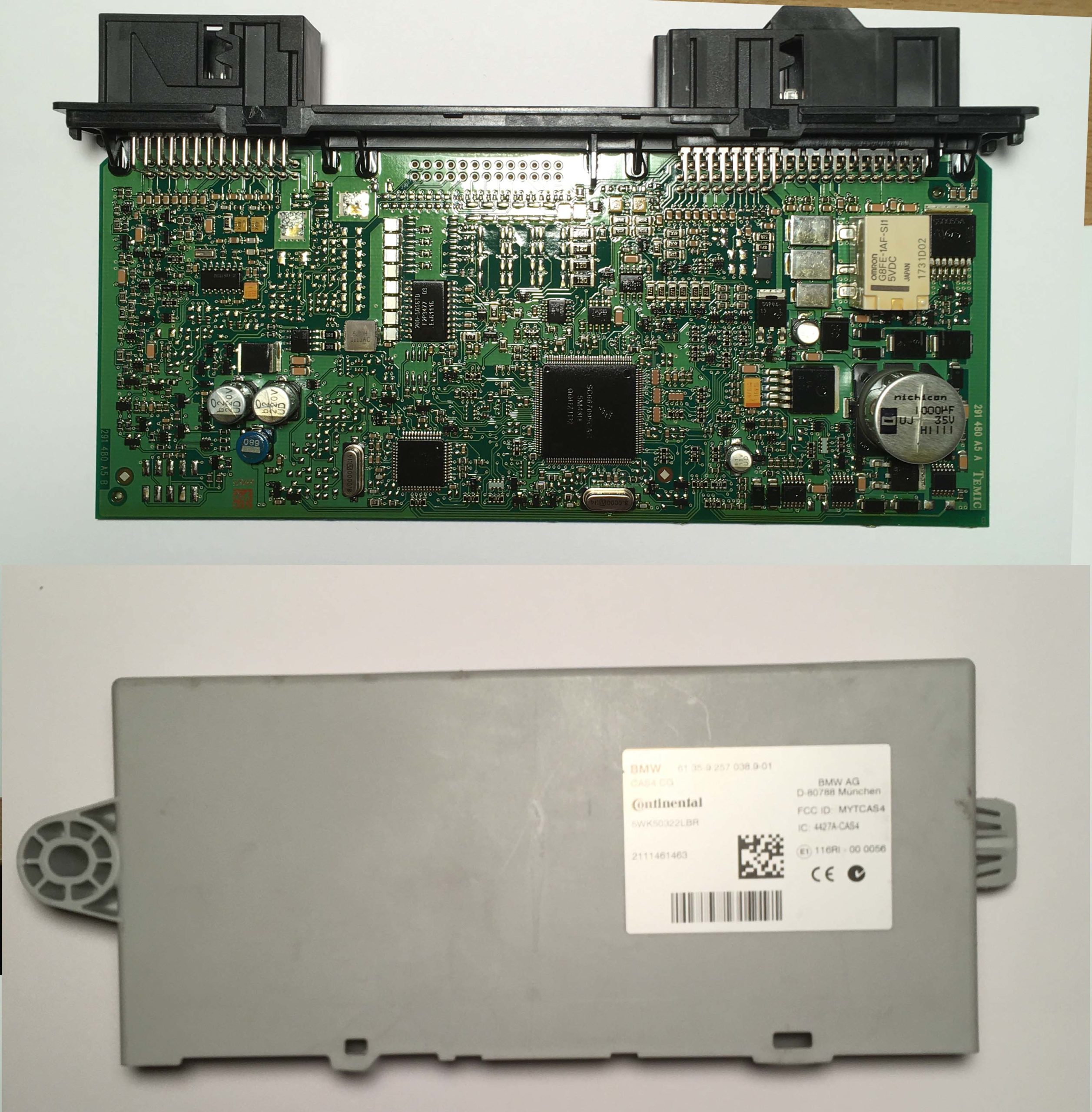
CAS4 has two hardware versions. Both are separate access-control modules used on selected F-series BMWs; identify the processor before choosing an EEPROM or D-flash profile.
Housing shown
Continental CAS4 with two connector banks
BMW applications
5 Series F07 / F10 / F11 / F18; 6 Series F12 / F13; 7 Series F01 / F02; X3 F25; X4 F26. Hardware depends on the fitted module.
Key transponder
ID49 / HITAG Pro family for CAS4 / CAS4+. PCF7953P remote-key family; PCF7939 is also listed by Abrites as a CAS4 transponder option.
File editing
Choose the matching version below · evaluation support
CAS4 version 1
MC9S12XDP512 · 1L15Y
Use the 4 KB EEPROM profile. Supports VIN, stored security data, remote settings and complete 23-byte key records.
CAS4 version 2
MC9S12XEP100 · 5M48H
Related later mask: 1N35H. Use the 32 KB D-flash profile for the supported record layout. Reads module data and mileage; edits VIN, verified stored security, remote and mirrored status/ID records.
Mileage remains read only. P-flash is not an EEPROM input.
Version 1 / version 2 describes the MCU hardware. CAS4 / CAS4+ also distinguishes security revisions; a chip marking alone does not establish whether stored security data is encrypted. Confirm the fitted module and dump format. Vehicle testing of both editor profiles is pending.
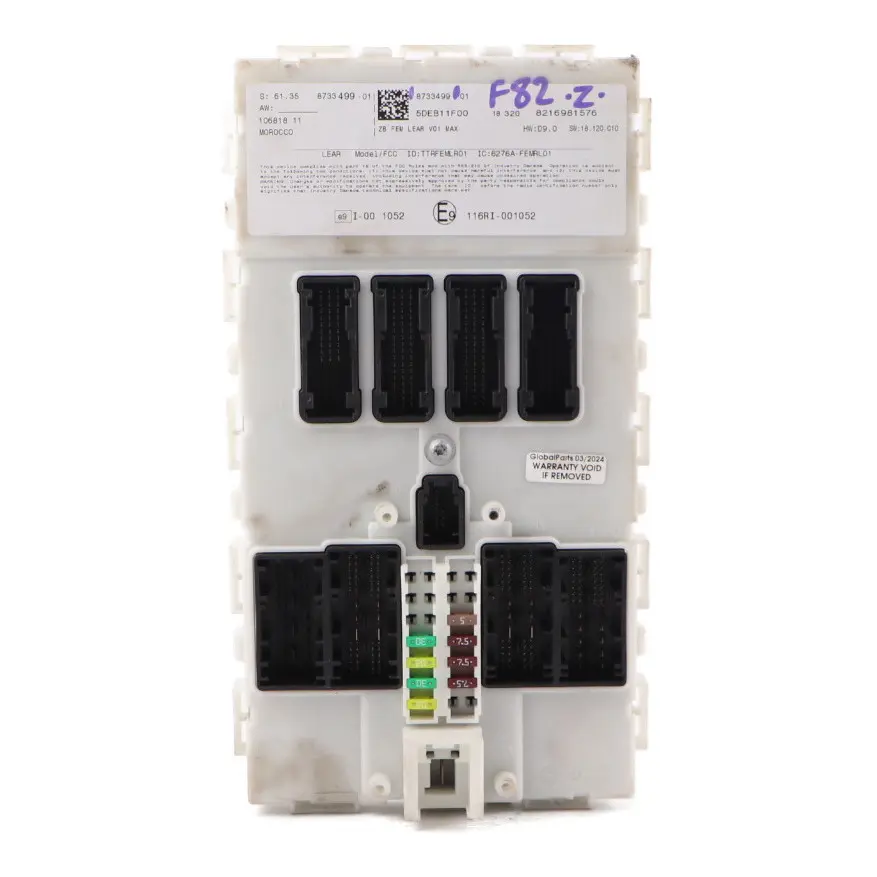
On platforms such as the F20 and F30, BMW combined CAS access functions with other body electronics in the FEM. It replaces several earlier separate control units.
BMW applications
F20 / F21 1 Series and F30 / F31 3 Series, among others.
Example label
Lear FEM · 61.35-8733499-01
Key transponder
ID49 / HITAG Pro; PCF7953P-family keys. Confirm the key part number and market specification.
This is a body controller with multiple connectors and fuses. Use its full part number and software identification, rather than selecting CAS4 because the car is an F-series.
The first BDC generation combines access and immobiliser functions with wider body electronics. The F15 X5 is an early application; later BDC2 hardware has its own connection layout.
What "BCM" means here
Body control module is a general term; BMW uses FEM and BDC designations.
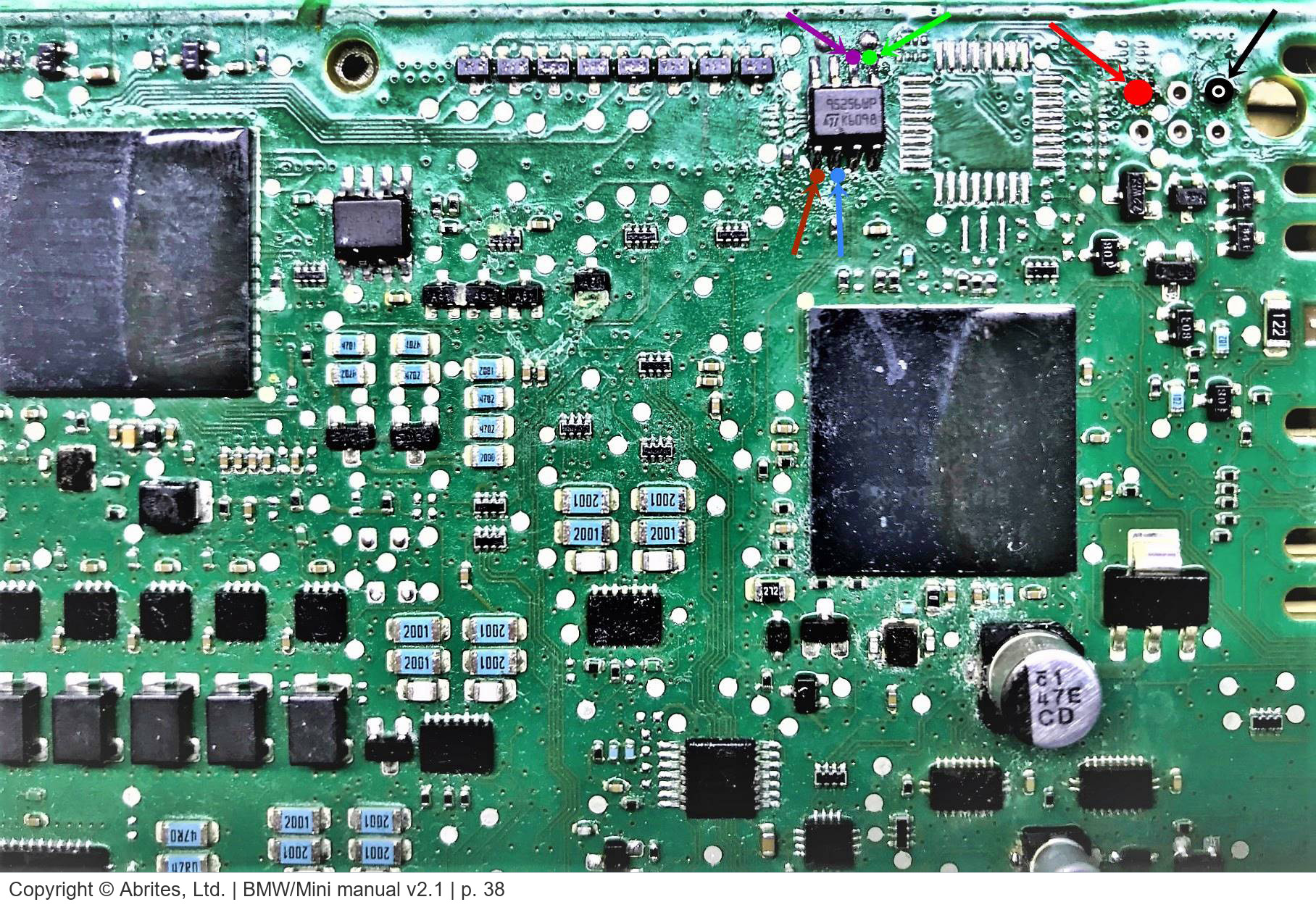
Board shown
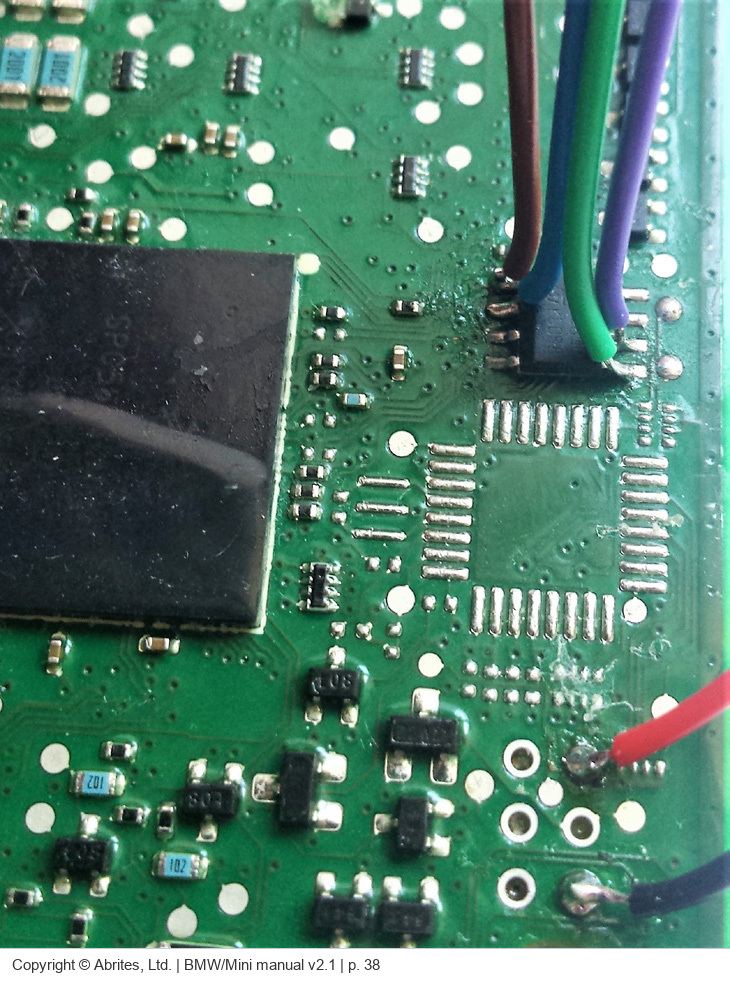
Earlier BDC example from the Abrites BMW/Mini manual, page 38.
Key transponder
ID49 / HITAG Pro, with PCF7953-family keys in early BDC applications. Match the complete key specification.
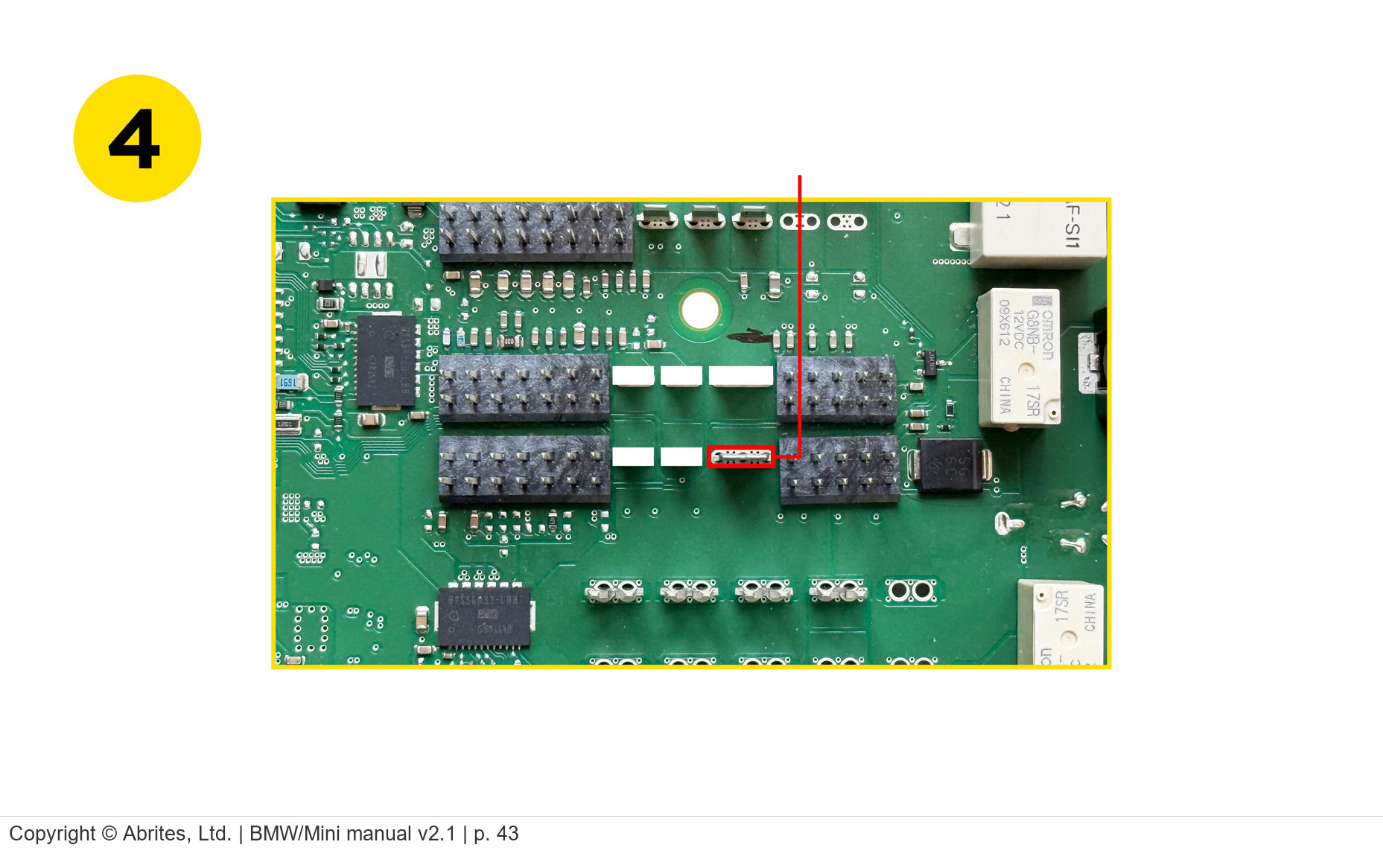
The source illustrates the earlier BDC preparation connection for software above version 85. Hardware and software identification determine the applicable procedure.
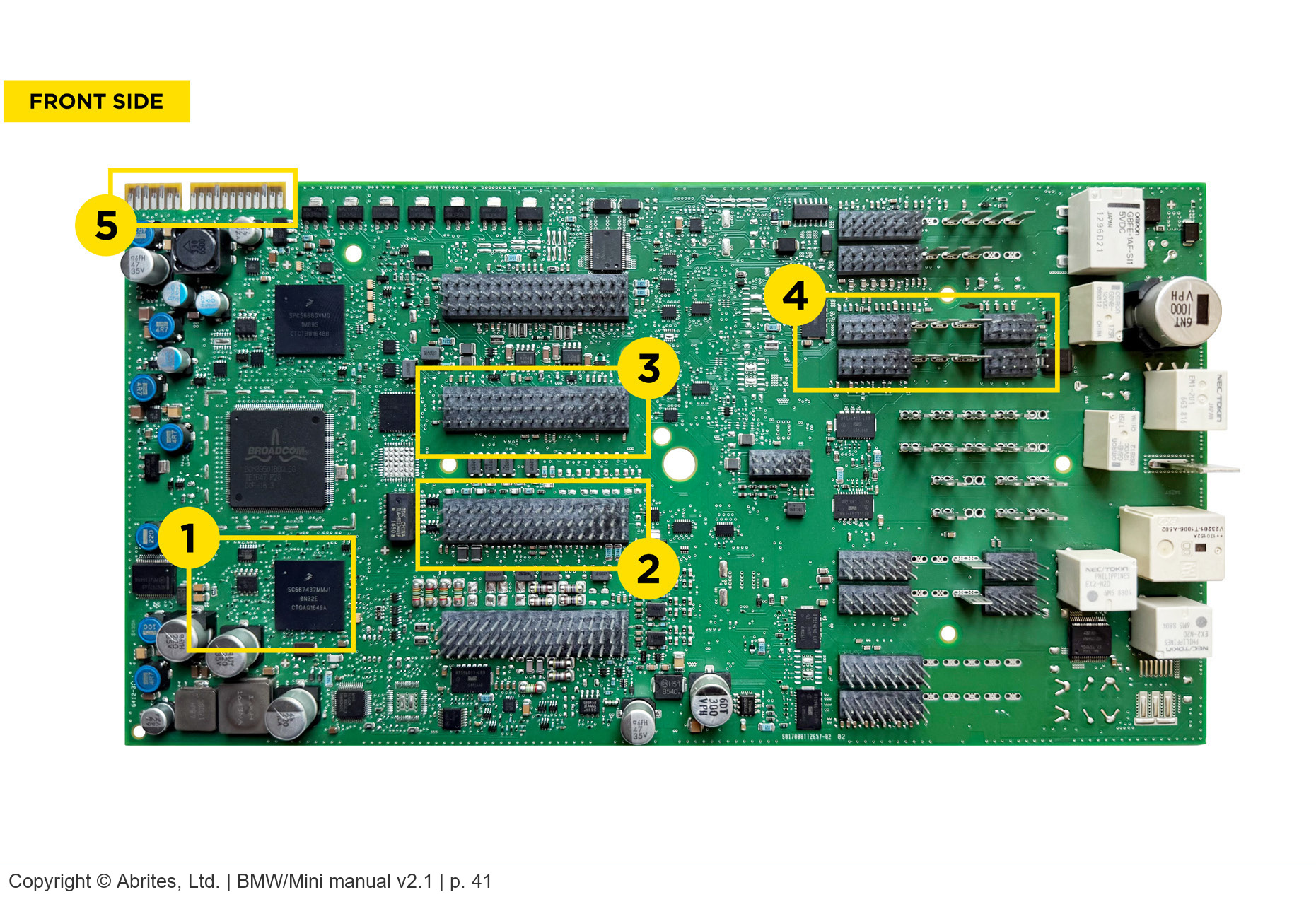
Identify BDC2 separately from the earlier BDC. Connector numbering and the adapter setup shown below belong to the Abrites BDC2 reference.
FEM, BDC and BDC2 connection references
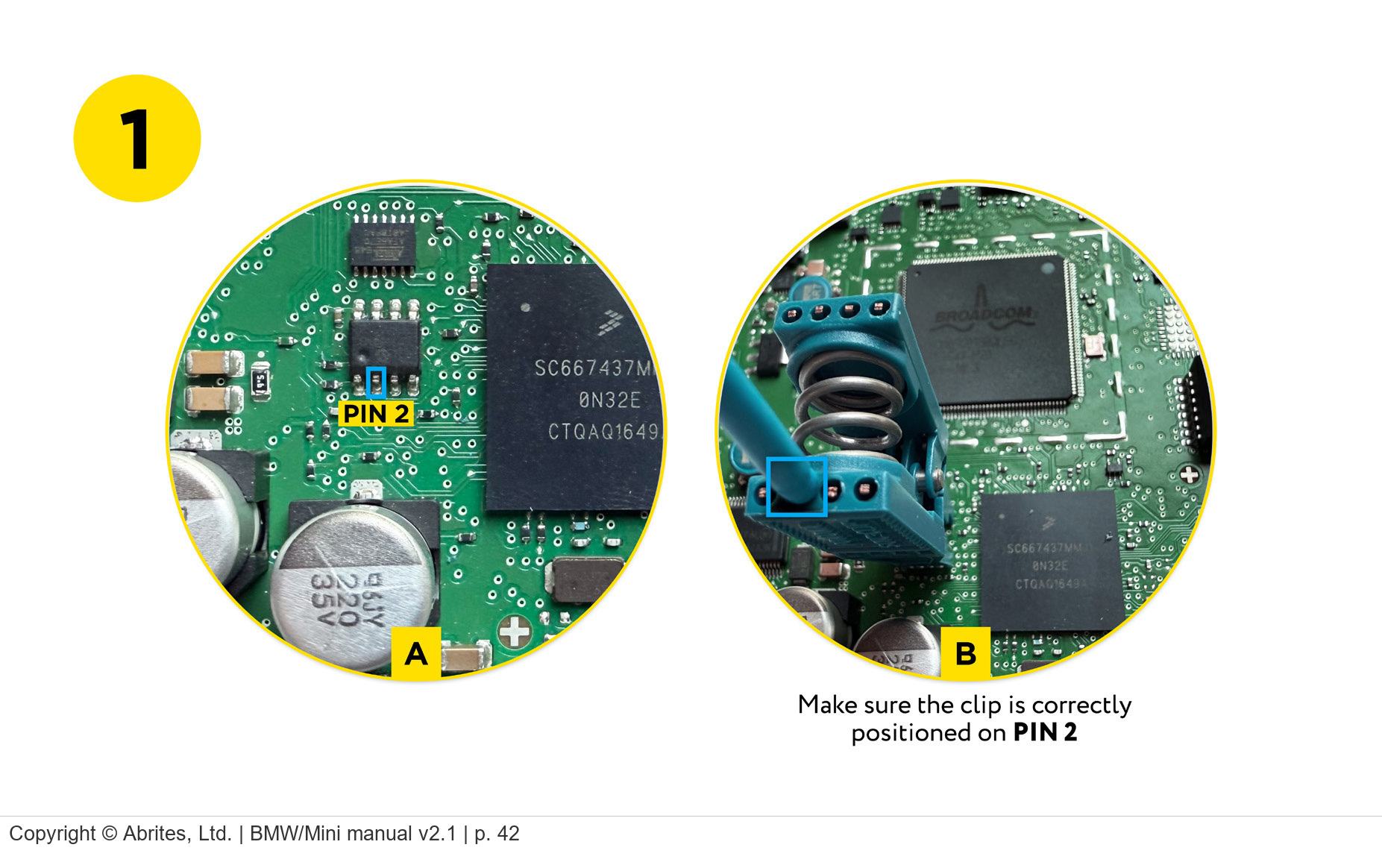
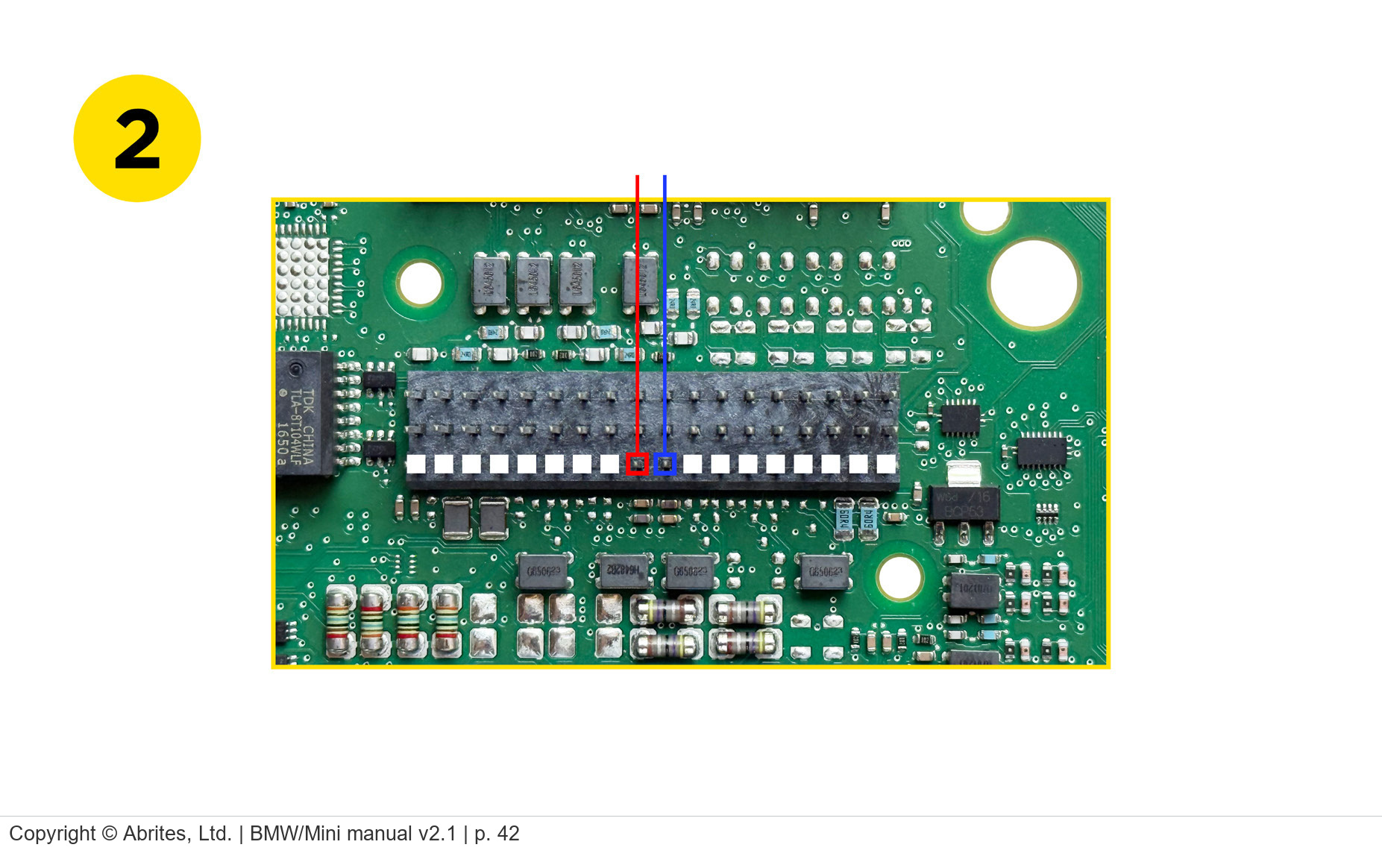
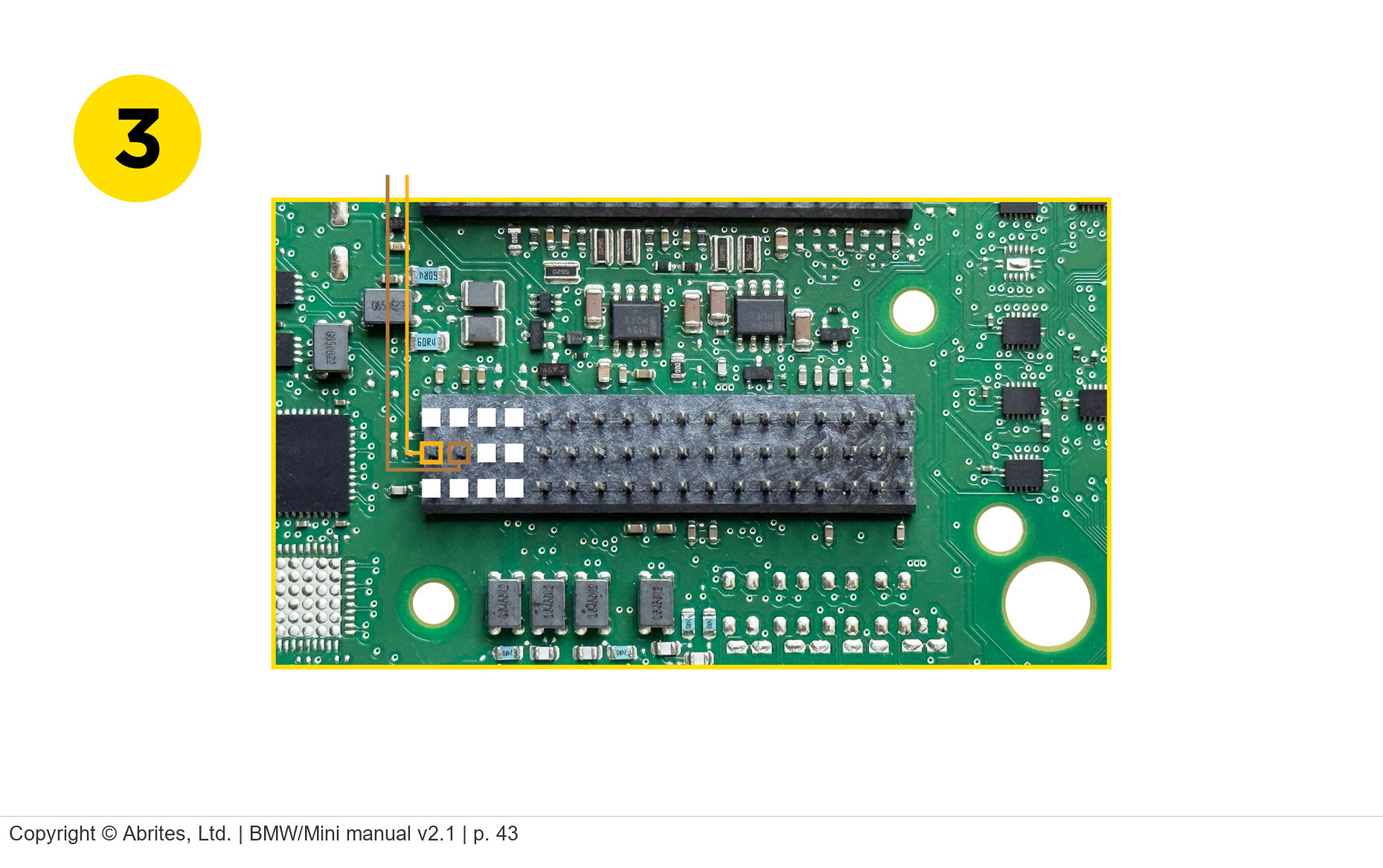
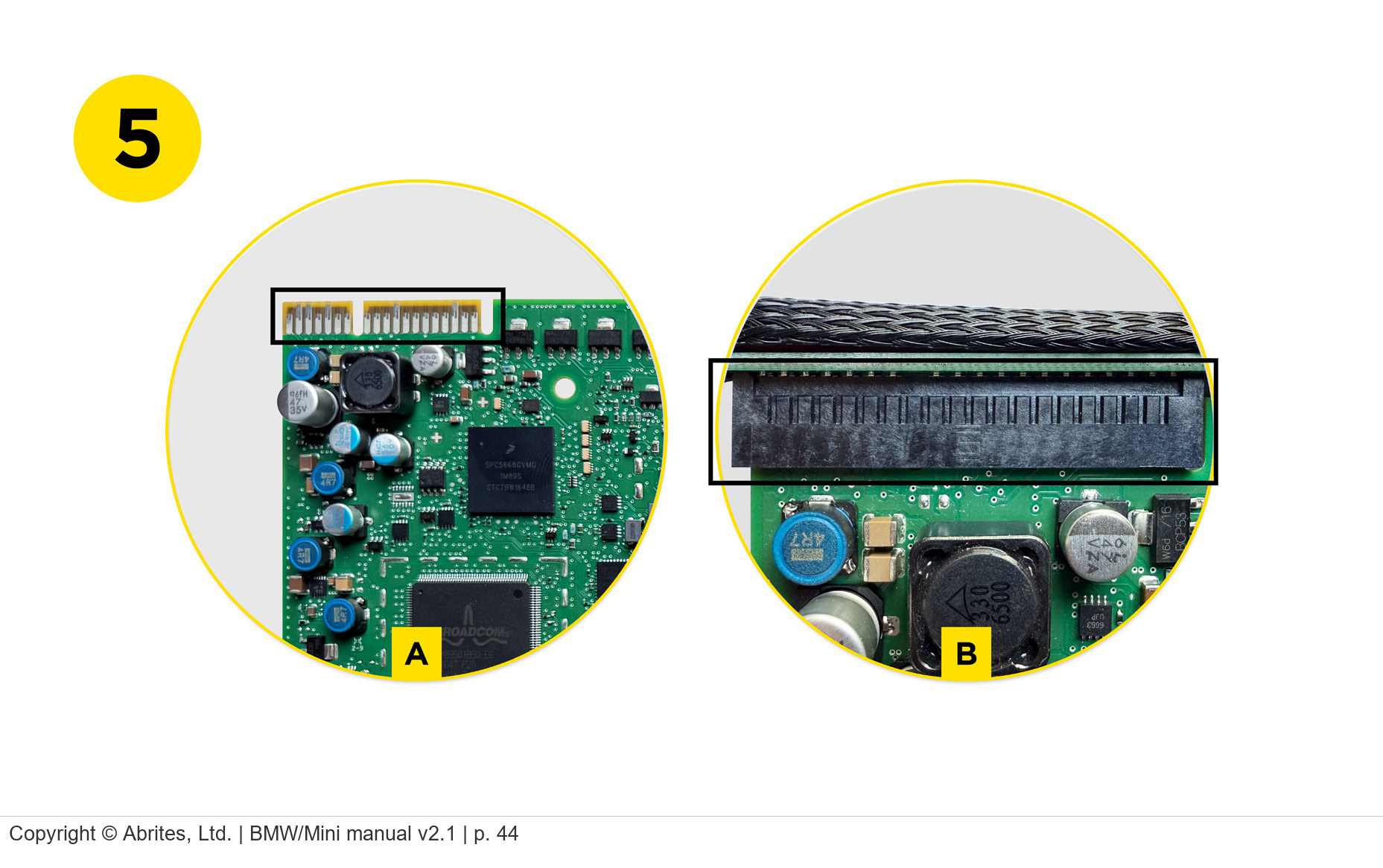
Abrites equipment references extracted from the BMW/Mini PDF manual. Select a picture to enlarge it. Original connection labels are retained; each image includes its source page and copyright credit.
FEM - PCB and adapter connections
3 images
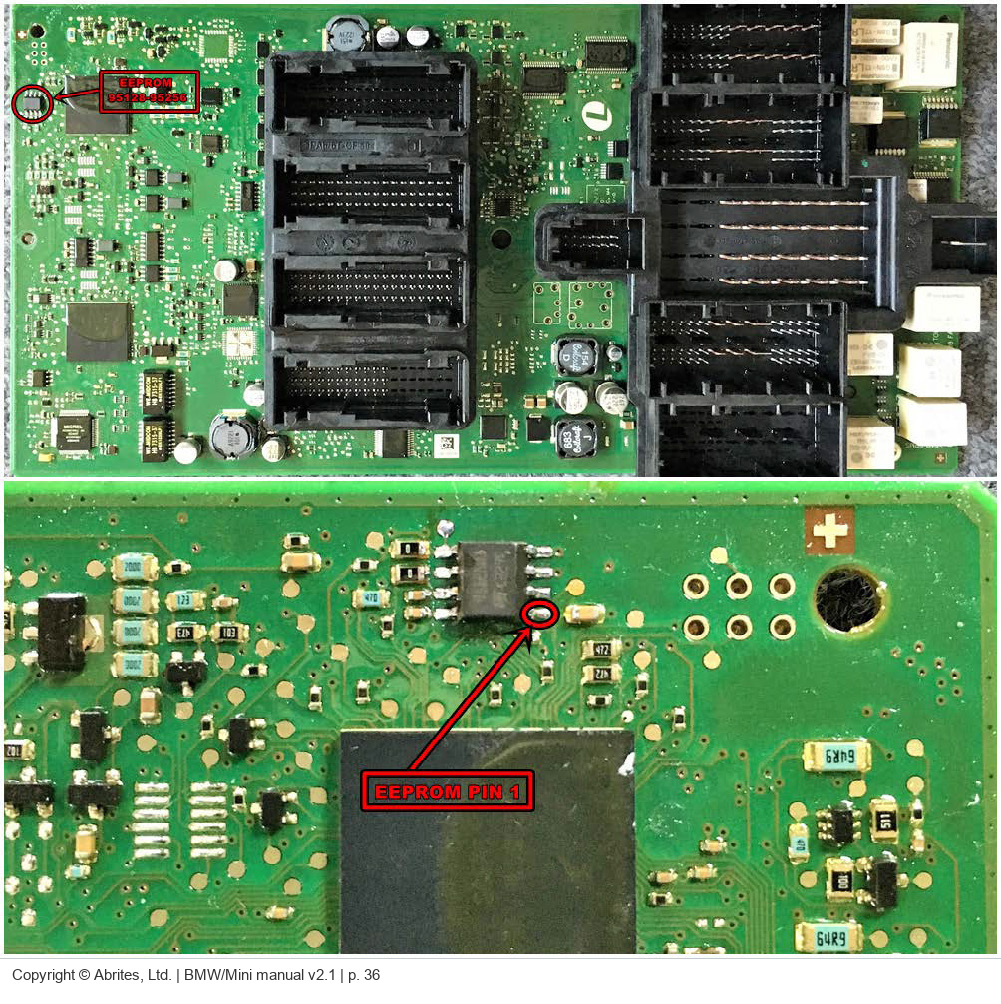
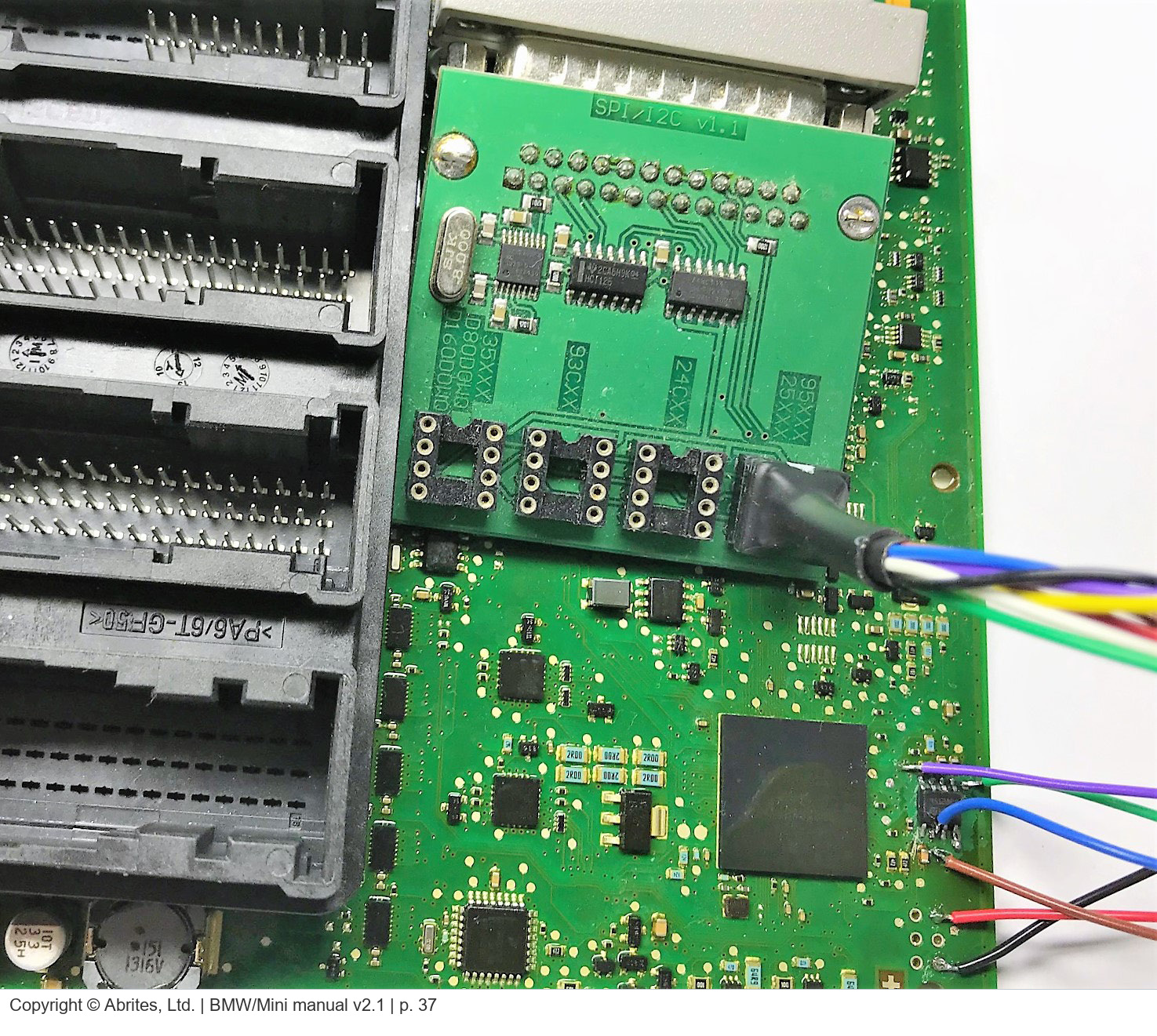
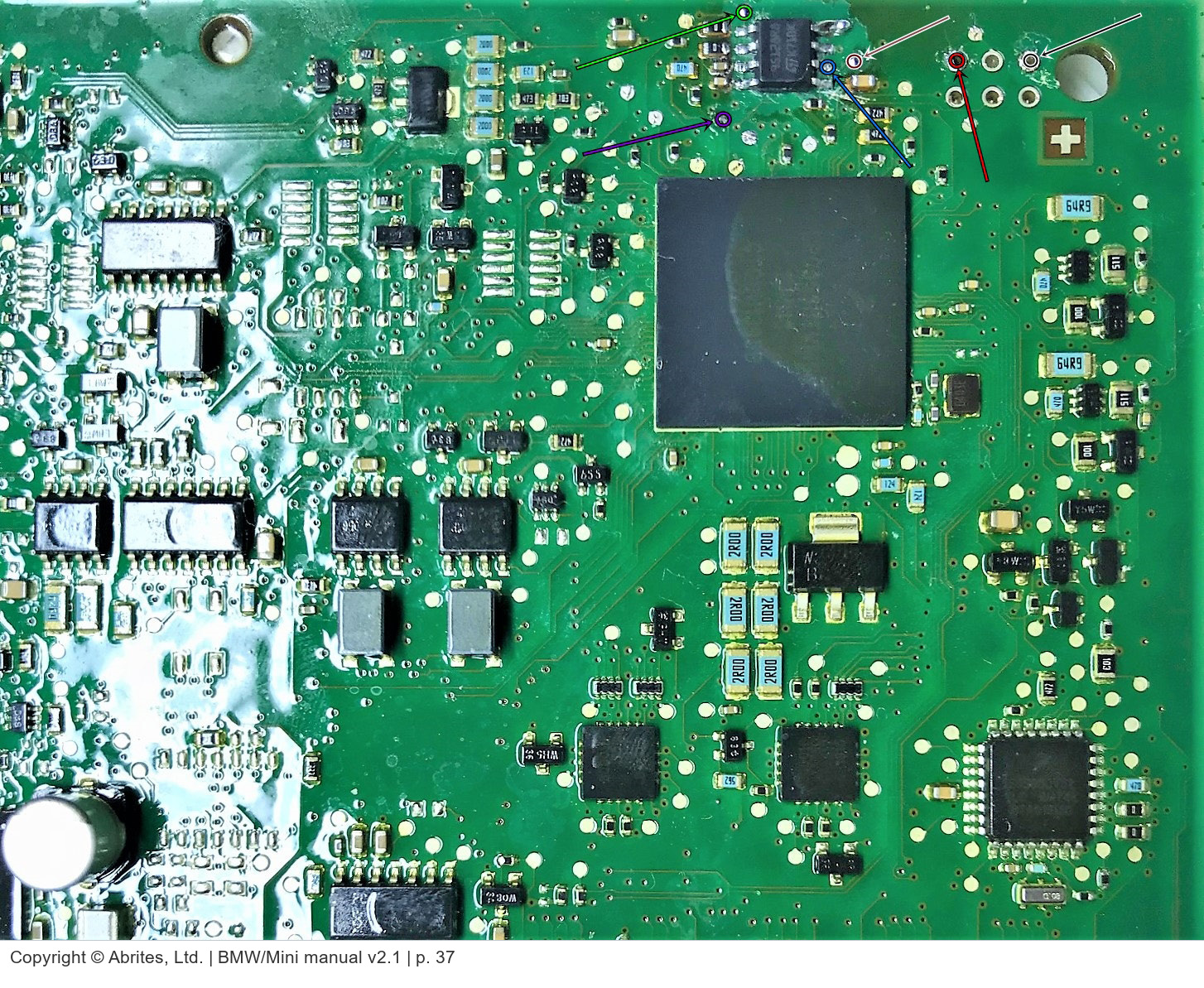
Pages 36-37: FEM EEPROM location and the manual’s shared FEM/BDC ZN057 examples.
PCF7936 is a transponder-only reference and does not provide remote locking. Chip suffixes matter: PCF7953A belongs to HITAG2, while PCF7953P belongs to HITAG Pro. The editor shows stored EEPROM fields; it does not identify a physical key chip. MCU mask codes such as 0L15Y identify the processor inside the module.
Key references: Transpondery BMW catalogue, Autoklíče Praha, Abrites BMW documentation and Scorpio-LK transponder classification. Photos are credited above. Reference checked 24 September 2026.
BMW CAS EEPROM editing questions
Which CAS files can I edit online?
Upload a supported 2,048-byte or 4,096-byte CAS1 EEPROM, a 4,096-byte CAS2, CAS3 / CAS3+ or CAS4 version 1 EEPROM, or a 32,768-byte CAS4 version 2 D-flash file. CAS4 support includes VIN, stored ISN/SK, EGS ISN and remote settings. Version 1 uses complete 23-byte key records; version 2 uses mirrored 8-byte status/ID records and offers CAS4+ ECU ISN decoding with a known matching ISN or key password. Mileage is read-only and vehicle testing is pending. Other dump layouts, FEM, BDC, BDC2 and P-flash are not supported inputs.
Can I change the VIN and key data?
Yes. Supported edits depend on the selected CAS layout. CAS1 supports two EEPROM sizes and includes key status, CFG/password and remote-key editing. CAS4 version 1 accepts a complete 23-byte key record, including its supplied integrity bytes; individual key IDs and status are displayed read-only. Review field changes and applicable checksum updates before saving a separate BIN file.
What is the difference between CAS3 and CAS3+?
CAS3+ refers to later CAS3 variants with changes to security data handling. A CAS3 case label does not identify every variant. Check the software and MCU revision; the editor displays raw stored ISN areas without decrypting them.
Did a BCM replace BMW CAS?
On later platforms, BMW integrated access functions into the FEM (Front Electronic Module), followed by BDC and BDC2 (Body Domain Controller generations). BCM is a general term for a body control module. The fitted system depends on the chassis and hardware generation.
Does saving a file program the CAS ECU?
No. This tool edits an uploaded EEPROM backup and creates a downloadable copy. Reading from or writing to the ECU requires suitable separate hardware. It does not generate keys, perform CAS–DME synchronisation or validate operation on a vehicle.
Is CAS the same as BMW EWS?
EWS names BMW’s electronic immobiliser system; CAS is the Car Access System module. Some CAS units implement EWS functions, but their files differ from the earlier standalone modules. For those files, use the BMW EWS EEPROM editor and module guide.
Generation references: BMW CAS training, BMW body electronics and Abrites BMW documentation.


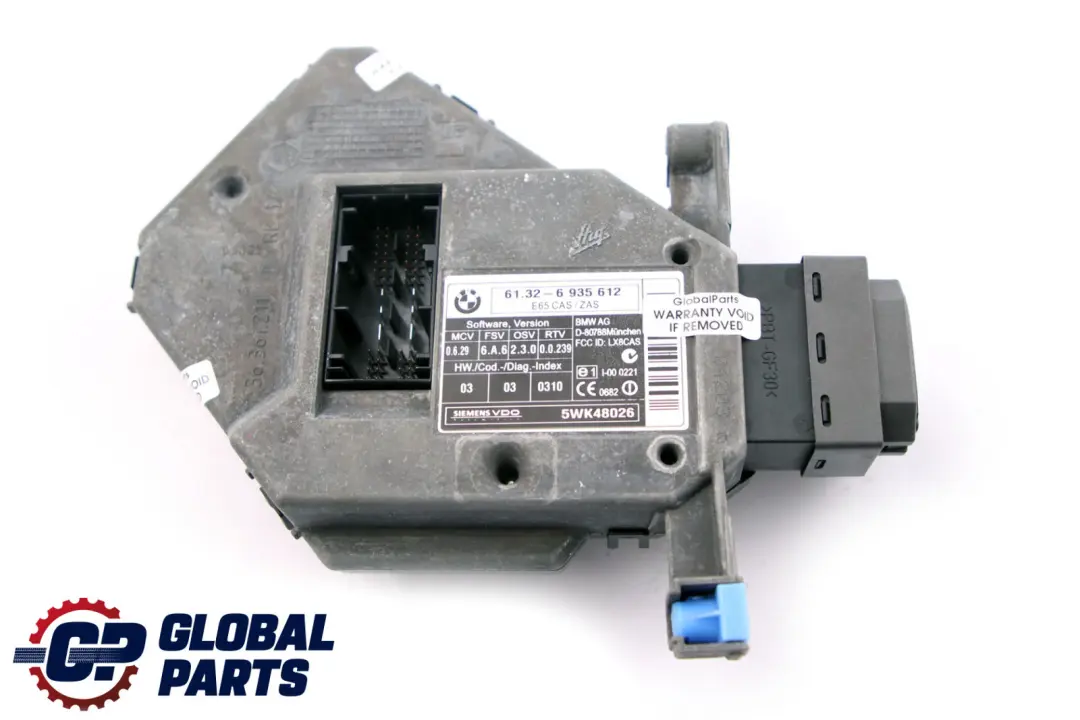 Photo unavailable. Try the full-size photo.