

Engine Carbon Cleaning in South Wales
Choose cleaning that addresses the affected component
Llandow Tuning offers several ways to clean engines and components at our workshop beside Llandow Race Track. The right approach depends on the location of the deposits, the material being cleaned and the vehicle's symptoms.
Carbon cleaning is a description of several different jobs. Removing deposits from intake valves, cleaning a removed EGR component and degreasing the outside of an engine involve different preparation and equipment.
We discuss the problem first, then the cleaning options. Rough running, reduced power or a warning light may need engine fault finding before a treatment is selected.
Discuss Carbon Cleaning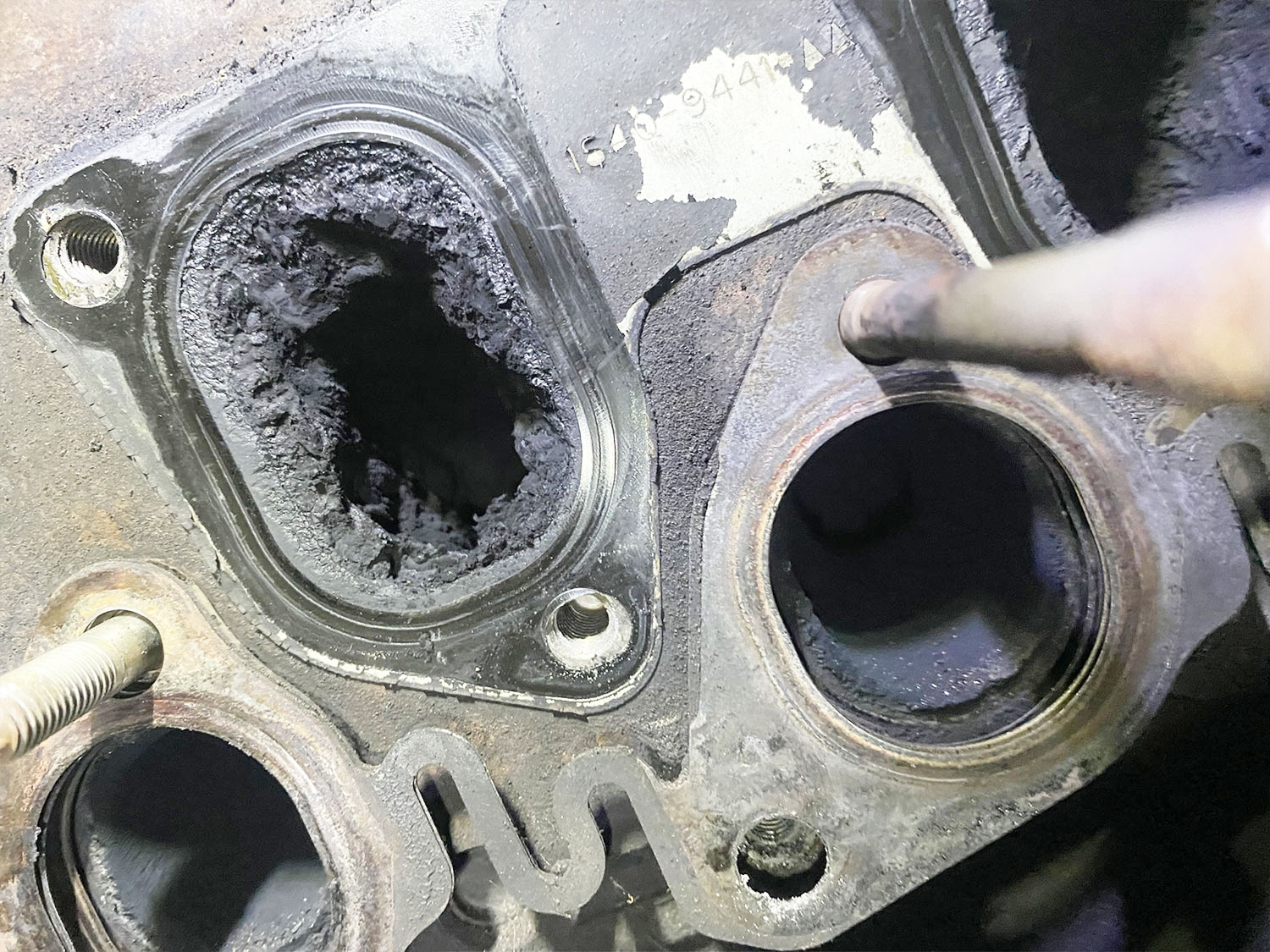
Which cleaning service do you need?
Intake valves and ports
Walnut blasting physically removes deposits from accessible intake surfaces on suitable engines. It requires access to the ports and controlled extraction of the cleaning media.
It may be relevant where intake deposits have been identified as part of a running problem. Suitability is checked for the actual engine, rather than assumed from the vehicle make.
Removed engine components
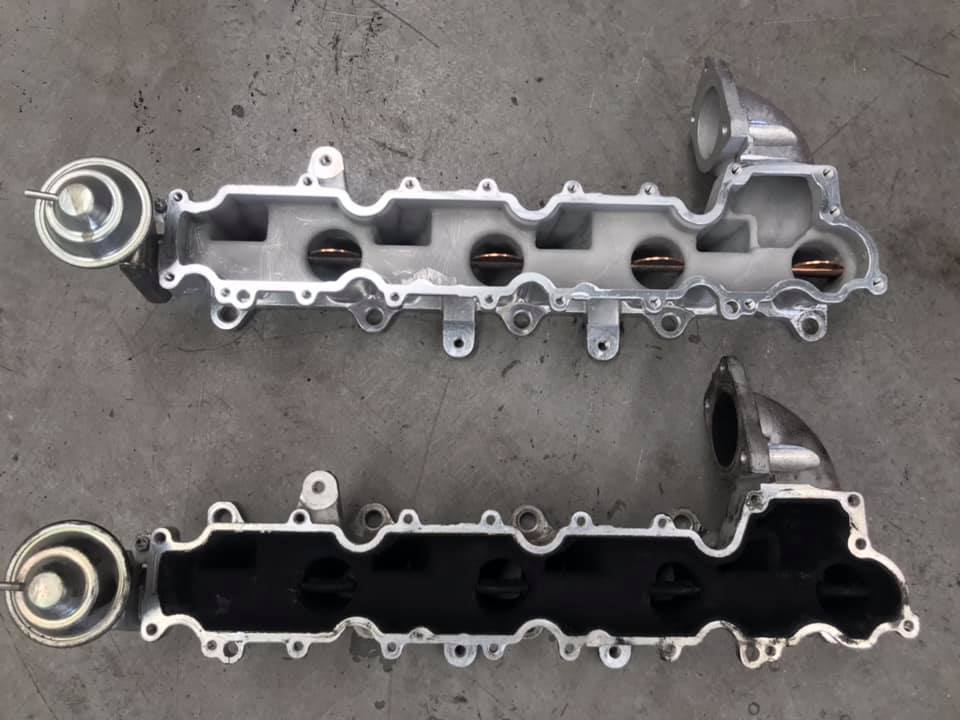
Ultrasonic cleaning uses a cleaning bath for suitable parts such as carburettors, inlet manifolds and EGR components. The material, size, assembly and contamination determine what can be treated.
The component may need stripping first. Cleaning can expose its condition, but does not repair wear or establish that an electrical actuator works.
External grease and grime
Steam and pressure cleaning is for accessible external areas of engines, gearboxes and vehicle undersides. It can help prepare an area for inspection or further work.
This external cleaning does not remove deposits from enclosed intake passages or the combustion chamber.
Why diagnosis comes before treatment
A fault code identifies a condition detected by the vehicle; it does not necessarily identify the part that needs replacing or cleaning. A misfire, airflow or EGR-related fault can have several causes.
Useful starting information includes when the symptom occurs, whether the engine is cold or warm, any warning lights and previous repairs. Where deposits are suspected, an assessment should establish whether they are relevant to the complaint and how the affected surfaces can be reached.
Cleaning cannot guarantee a particular improvement in power, fuel consumption or emissions. It also cannot correct a failed sensor, damaged wiring or worn mechanical parts. Our engine health check is another starting point when you want the engine's condition assessed.
Direct injection and intake deposits
Petrol direct injection delivers fuel into the combustion chamber. Port injection delivers it into the intake, where it can contact intake ports and valves; some engines use both systems. This distinction helps explain why a fuel-system cleaner and intake-valve cleaning are different services.
Bosch's explanation of direct and port injection provides further background. The appropriate treatment still depends on inspection and the specific engine.
After cleaning
Follow the vehicle's servicing requirements and address any related faults found during diagnosis. Cleaning should sit alongside maintenance and repair, with future work based on condition and relevant service guidance.
We recommend further cleaning from inspection and applicable service information, with earlier work and vehicle use considered.
Request a carbon cleaning assessment
Send your registration, engine details, mileage and a description of the symptoms. Include fault codes or photographs if you already have them, and tell us whether you want a complete vehicle assessed or have parts removed.
The quote lists the cleaning method, access and dismantling, with seals or repairs agreed separately before delivery.
Enquire About Engine Cleaning Workshop Services