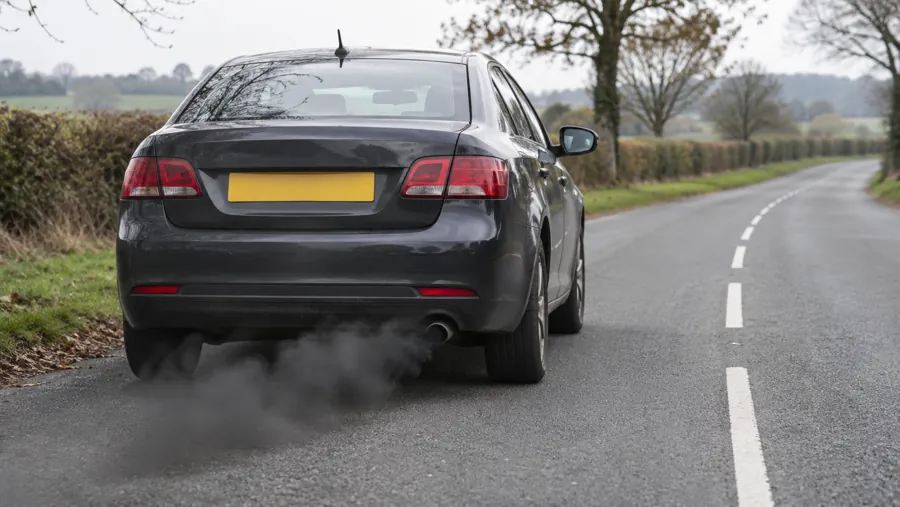
"My car is smoking since a remap"
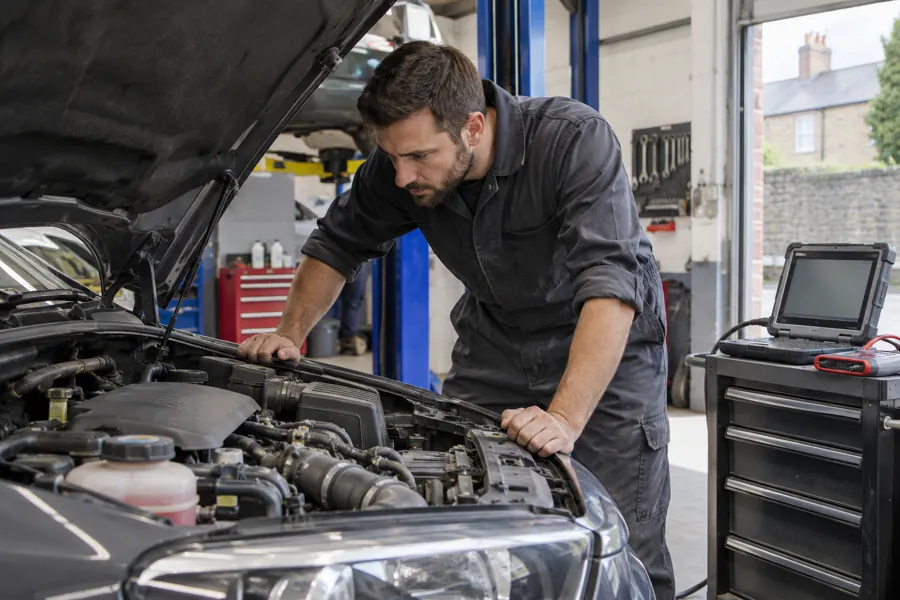
Excess smoke or an unusual smell can relate to fuelling, boost, injectors or other faults. We check the symptoms and vehicle before reaching a conclusion.


If your car hesitates, smokes, loses power or simply does not feel right after tuning, we can investigate the vehicle and its existing calibration before discussing a solution.
Whether the map was installed elsewhere or you are considering buying a tuned vehicle, we look at the evidence and explain the next steps.
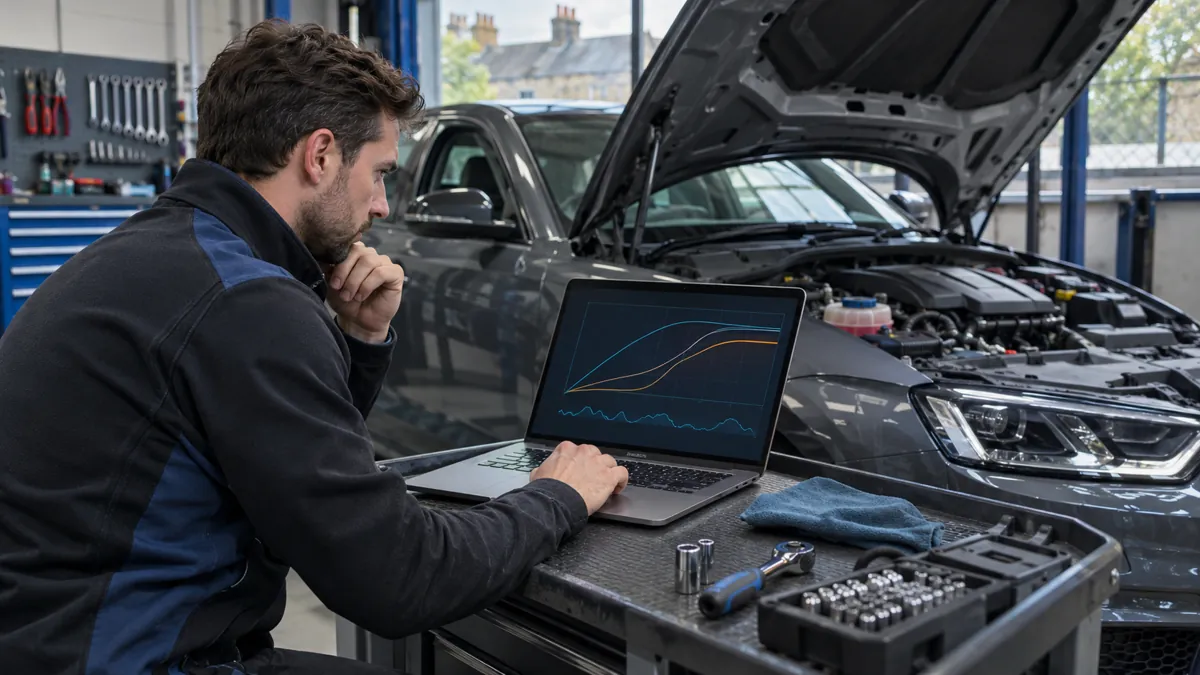
These symptoms can have several causes. A boost leak, worn component, injector fault or sensor problem can feel like a bad tune, so we investigate rather than assume the file is responsible.
Excess smoke or an unusual smell can relate to fuelling, boost, injectors or other faults. We check the symptoms and vehicle before reaching a conclusion.
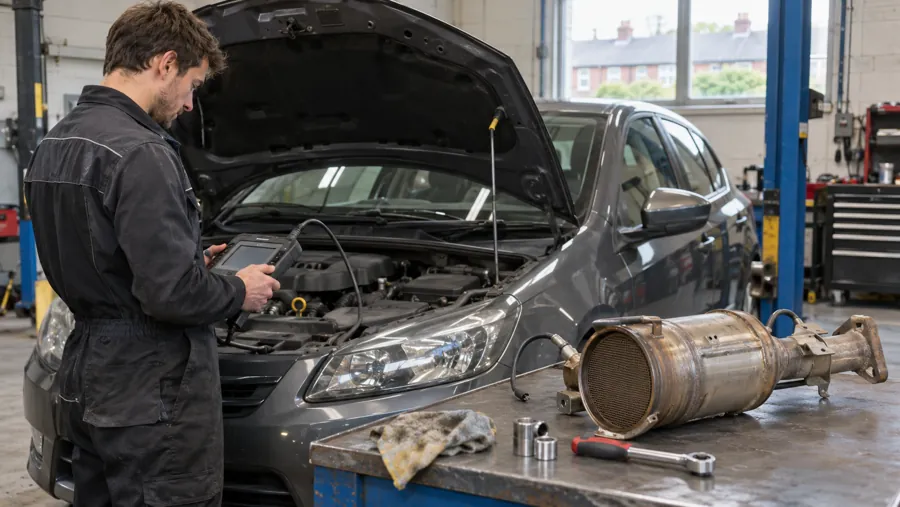
A warning or regeneration problem needs diagnosis. We can discuss the DPF, sensors and running conditions alongside the tuning history.
Tell us about limp mode, boost problems, hesitation or flat spots, including when and how often they happen.
Surging, rough running, misfires or an unpredictable throttle response can have mechanical, electrical or calibration causes.
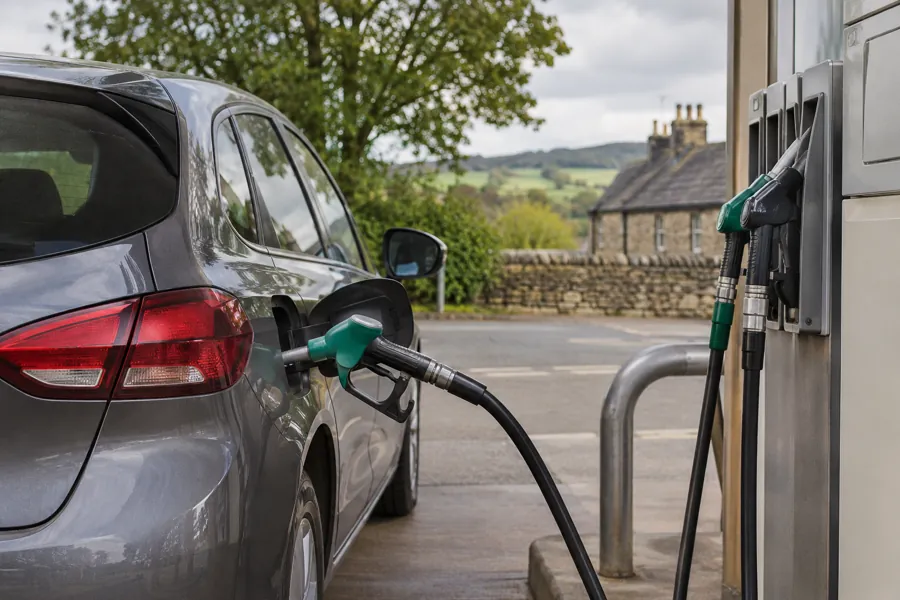
Driving conditions, vehicle health and calibration can all affect fuel use. We can discuss what changed and what checks are appropriate.
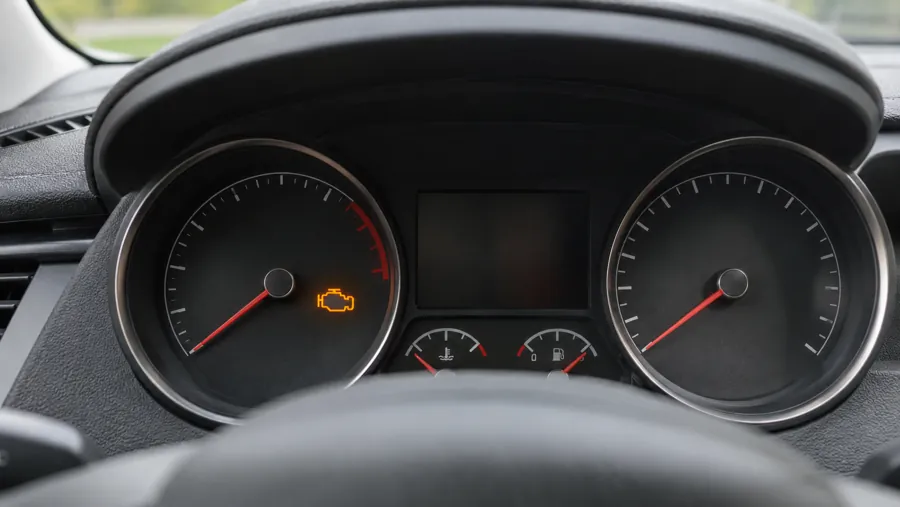
A check-engine light, malfunction indicator lamp (MIL) or other warning can appear for several reasons. Tell us when it appeared; fault codes and vehicle checks guide the next step.

Knocking, rattling or ticking noises need prompt investigation. Avoid hard driving and contact us; the noise alone does not identify the cause.
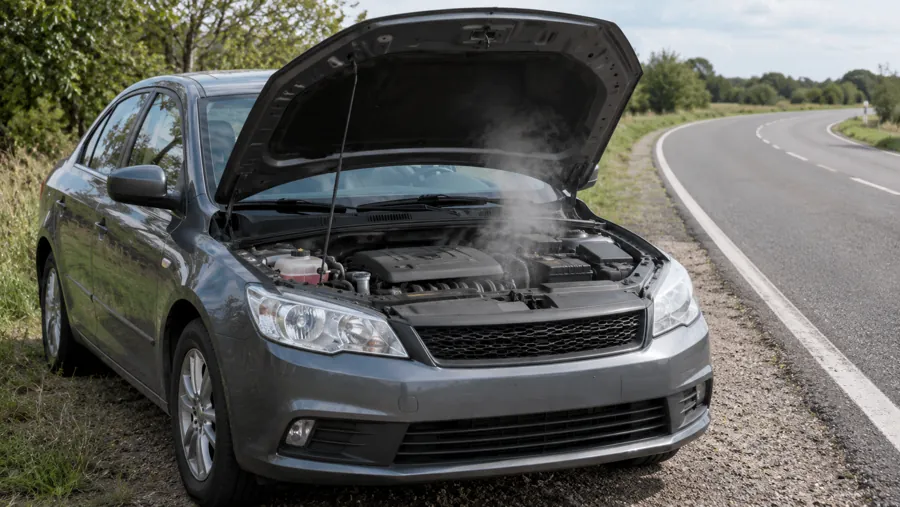
High temperatures or a coolant warning can have several causes. Stop safely if the vehicle overheats and contact us before further testing.
Safety first: If the engine is knocking, overheating, smoking heavily or showing a serious warning, avoid further hard driving and contact us before arranging a test. For an unresolved warning or running fault, start with engine diagnostics, misfire diagnosis, boost diagnostics or DPF diagnostics as appropriate.
The scope depends on the vehicle, ECU and symptoms. We agree what is practical and the cost before work starts.
Tell us when the issue started, who tuned the car if known, what modifications it has and whether any warning lights have appeared.
We review relevant faults and condition. Where there is an unresolved mechanical or electrical concern, diagnosis or repair may be needed before a loaded dyno run.
Where safe and suitable, we can use the rolling road and available live data to assess fuelling, boost and engine behaviour. The channels available depend on the vehicle.
Where ECU access permits and file analysis is agreed, we can read or examine the existing file and compare relevant changes against suitable reference data.
Logs can show how a vehicle behaves under the test conditions. We explain the findings and provide a report of a logged run where carried out, including the limits of the data; a dyno graph alone cannot prove that every map setting is correct or rule out every fault.
Explore dyno sessions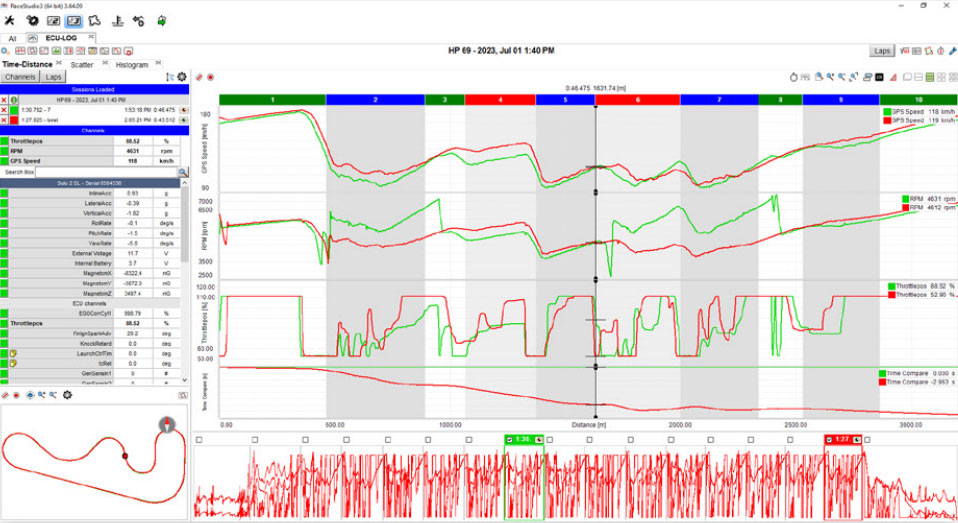
Often there are options, but the right repair depends on what the inspection finds and whether the ECU can be accessed. We will explain the findings and quote any further work separately.
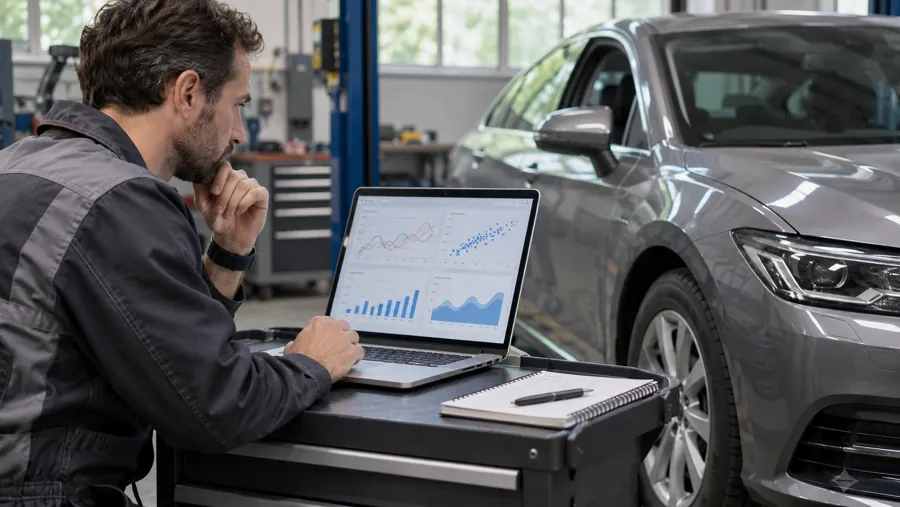
Where appropriate, we can discuss writing a revised calibration for the vehicle, its hardware and its intended use, followed by checks suited to the job.
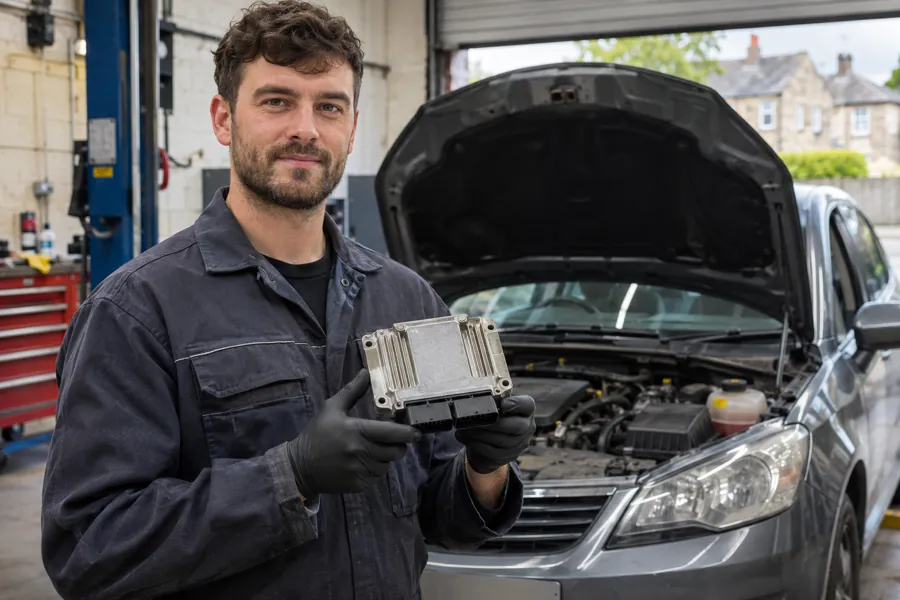
Where a suitable original or standard file is available and compatible, returning the ECU to standard may be an option. We confirm what is possible for the ECU.
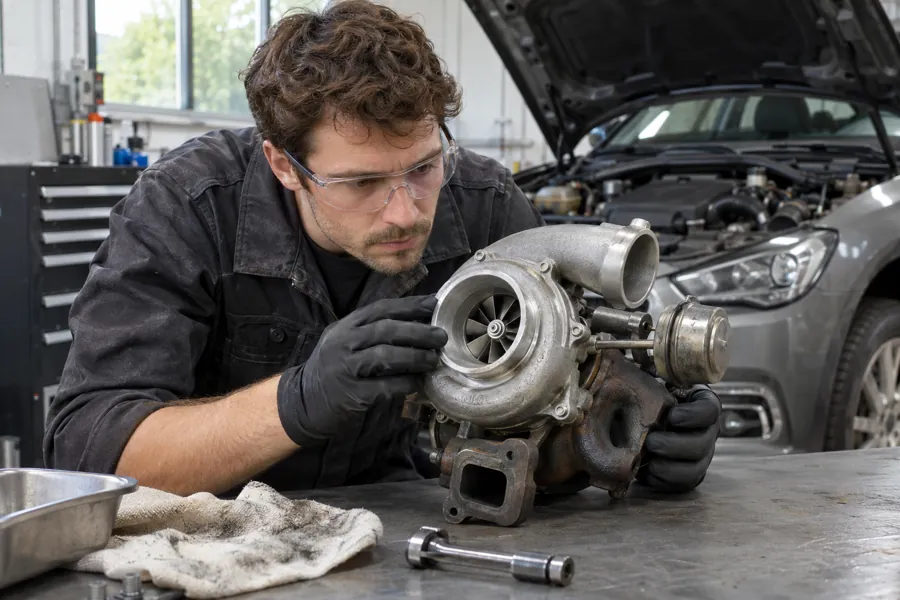
If the symptoms come from the vehicle rather than the map, we can discuss diagnosis or repair before deciding whether a calibration change is needed.
Inspection and repair are separate: A dyno inspection does not automatically include reading, rewriting or replacing a file, mechanical repairs or further diagnosis. We agree the scope and price first.
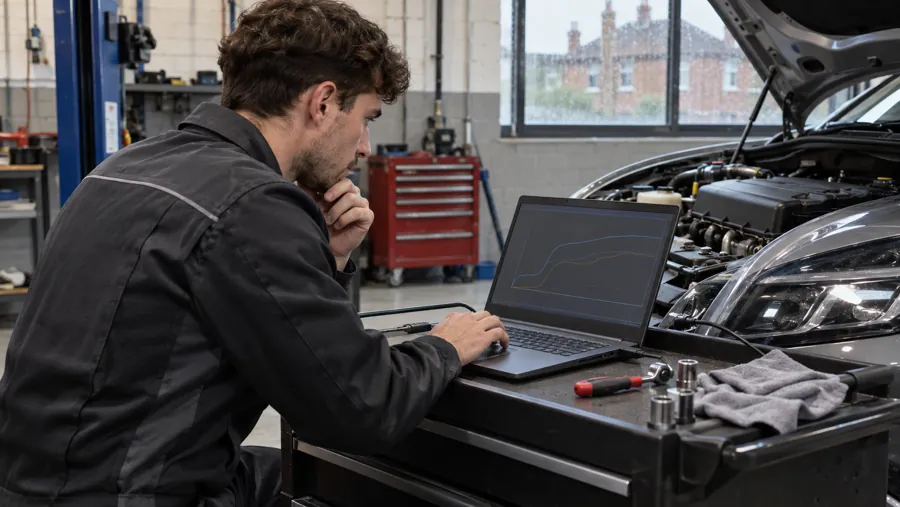
If you are searching for a bad Quantum remap, or have concerns after a Quantum Tuning remap, we can discuss an independent inspection. Some people also search for "bad Quantium remap".
We can discuss cars mapped using files from other tuning companies and networks, including:
A provider’s name does not establish that its file or installation is faulty. Symptoms after a remap can have many causes. We assess the car, available data and, where agreed and accessible, the file itself before recommending a correction.
We are an independent workshop. Naming these providers helps owners identify an existing tune; it does not imply a relationship, endorsement or a fault with any provider.
Bring your invoice, any original file or dyno printout, and details of the symptoms. If you are unsure who supplied or installed the map, we can still discuss the vehicle.
Ask about your carThe engine management light, check-engine light or malfunction indicator lamp (MIL) can illuminate for many reasons, including sensor, emissions or engine faults. Note when it appeared and arrange a fault-code and vehicle assessment. A light appearing after tuning does not by itself establish the cause.
A new knock, rattle or ticking sound needs prompt attention. Stop safely and switch off if the noise is severe or accompanied by a serious warning; avoid hard driving and contact us before arranging testing. Diagnosis is needed to identify the source.
Smoke colour and when it appears can help guide an investigation, but colour alone cannot confirm the fault. Tell us whether it occurs on startup, idle or acceleration and whether fluid levels change. Heavy smoke warrants prompt advice before further driving.
A changed turbo noise or loss of boost can have several causes, including leaks or mechanical faults. We can discuss boost diagnostics and review available data; the noise does not on its own prove a calibration fault.
Overheating can be caused by cooling-system or engine faults as well as other factors. Stop somewhere safe, switch off and seek advice rather than continuing to drive. We can discuss diagnosis before any loaded testing.
Hard starting, stalling and rough idle can have electrical, fuelling, mechanical or calibration causes. Tell us whether it occurs when cold or warm and about any warning lights so we can agree an appropriate assessment.
Smoke after tuning can have several causes, including fuelling, boost leaks, injectors or other engine faults. Tell us when it occurs and the colour of the smoke. We can investigate the vehicle and, where appropriate and agreed, the calibration.
A DPF warning can be linked to soot loading, regeneration, sensors, engine faults or other issues. A warning appearing after a remap does not prove the map caused it. We can discuss diagnosis before any file changes are considered.
Limp mode can follow a range of detected faults, including boost-control or sensor problems. We can read relevant fault codes and assess the vehicle before deciding whether a calibration review is appropriate.
Hesitation or surging may be related to fuelling, ignition, boost, sensors, transmission behaviour or the calibration. We need to investigate the symptoms and vehicle rather than assume a particular cause.
Fuel consumption can change with driving style, journeys, vehicle condition, load and calibration. Tell us what changed and how you measured it; we can discuss suitable checks. A revised tune cannot guarantee a fuel saving.
In many cases returning to a suitable standard calibration may be possible, subject to ECU access and a compatible file. We check the vehicle first and quote any file work separately.
We can discuss an independent inspection of a vehicle tuned by another provider. The provider’s name does not mean there is a fault. What we can read or compare depends on the ECU, available files and the work agreed.
An unsuitable calibration or an existing fault can increase stress on components, but symptoms alone do not establish damage or its cause. If you hear knocking, see heavy smoke or have a serious warning, avoid hard driving and contact us for advice.
The cost depends on the symptoms, diagnostics required, ECU access and whether a dyno run or file work is appropriate. We discuss and agree the scope and price before proceeding; inspection and repair are separate work.
We investigate the vehicle and evidence first. Logs and, where accessible and agreed, file analysis can help identify calibration concerns, but a mechanical or electrical fault may cause similar symptoms. Further diagnosis may be needed.
Yes. Tell us who supplied or installed it if you know. ECU access, file protection and available reference data can affect what we can read and compare.
Not as part of an inspection without agreement. If a replacement calibration or return to standard is suitable, we will discuss the work and quote it separately.
We can discuss an inspection with the owner’s permission. For a broader assessment, see our whole-vehicle inspection.
Contact us first. Our software warranty describes the support available for our tuning and its limits; it does not cover vehicle hardware.
Send the registration, engine details, modifications, warning lights, symptoms and any information about the existing tune. We’ll discuss the appropriate first step.
Unit 11 Sambucus Avenue
Llandow Trading Estate
Llandow, CF71 7PB