

Hydrogen Engine Cleaning in South Wales
A maintenance option for lighter carbon build-up
Hydrogen cleaning is a non-dismantling engine treatment that can be considered as part of a maintenance plan for a suitable vehicle.
Our own research indicates it can be effective in helping to keep light carbon build-up in check. It is best considered before deposits become heavy, rather than as a guaranteed cure for an existing engine fault.
Its limitation: hydrogen cleaning cannot be relied on to remove thick, heavy deposits. Where significant carbon is present on accessible intake valves and ports, walnut blasting gives direct physical access to those surfaces and is the better choice.
Fixed price: £250 all in for hydrogen cleaning on any vehicle. Or choose a free hydrogen clean with a remap at the normal remap price. You can choose either the free clean or £150 off the remap; the offers cannot be combined.
Ask About Hydrogen Cleaning Compare Cleaning Services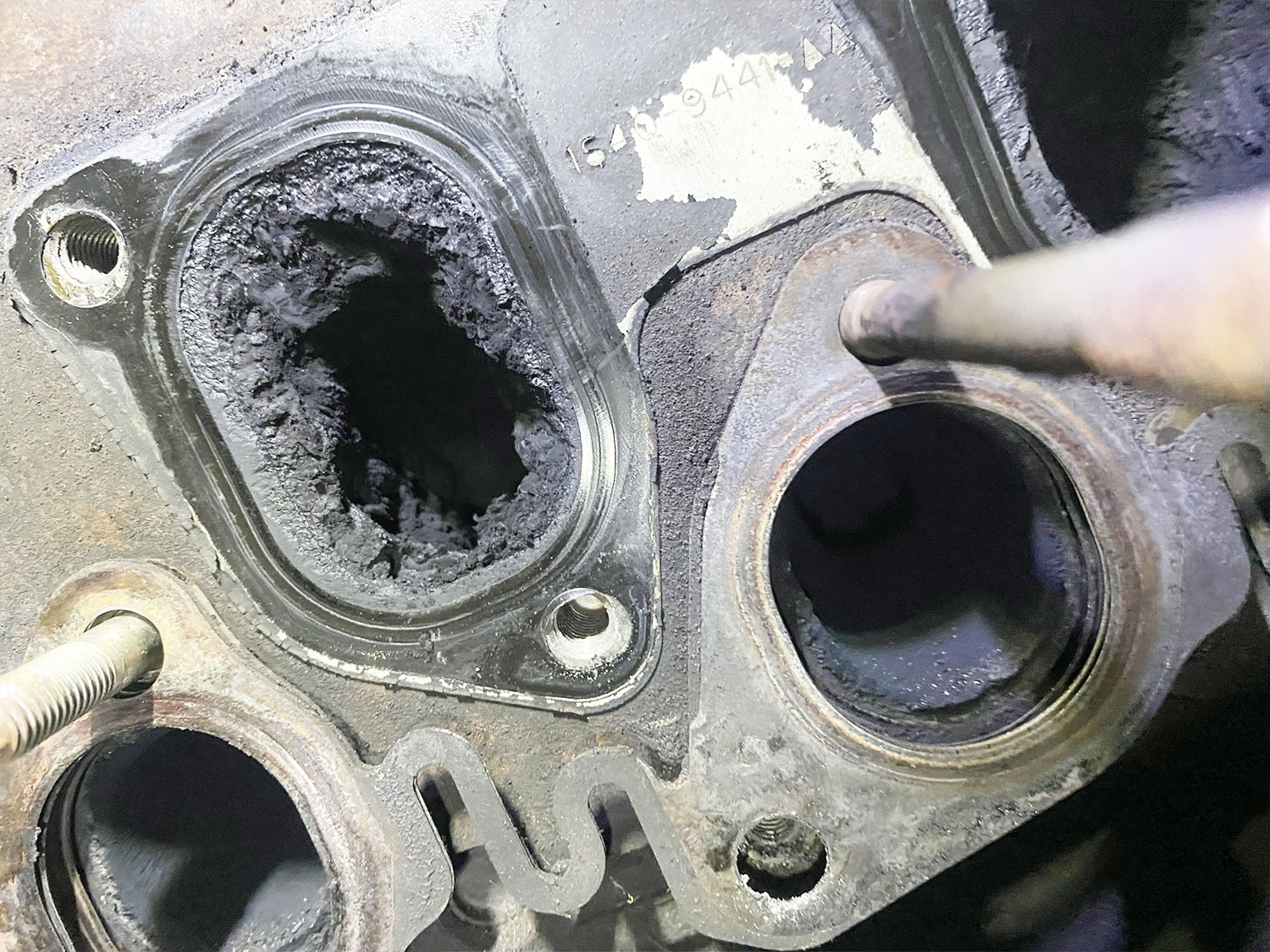
How hydrogen cleaning works
Hydrogen cleaning systems commonly use electrolysis to produce a hydrogen-and-oxygen gas mixture from water. The gas is fed into the air intake while the engine runs; the treatment is intended to help deal with deposits in areas affected by combustion. It does not involve pouring a harsh cleaning solvent into the engine.
The engine remains assembled, so the treated surfaces are not normally visible during the treatment and the amount of carbon removed cannot be confirmed without a separate inspection. Suitability depends on the engine, its condition and the equipment used. Ask us about your vehicle before booking.
Why consider it?
- A maintenance option for lighter deposits, based on our own research.
- No intake-manifold removal is normally needed for the treatment itself.
- A way to discuss carbon maintenance without using harsh chemical sprays.
It does not replace scheduled servicing, correct a failed component or guarantee an improvement in power, fuel economy or emissions.
Hydrogen cleaning compared with walnut blasting
| Consideration | Hydrogen cleaning | Walnut blasting |
|---|---|---|
| Best suited to | Maintenance and lighter build-up, where suitable; results vary. | Substantial deposits on accessible intake ports and valve backs. |
| Method | Gas is fed to the running engine without dismantling the intake. | The intake is opened and crushed walnut-shell media physically removes deposits with extraction. |
| Heavy deposits | Not a reliable way to clear heavy, hardened carbon, especially on intake-valve backs. | Directly targets accessible heavy intake deposits; suitability depends on the engine. |
| Access and inspection | No direct view of treated surfaces during treatment; removal cannot be verified without separate inspection. | Intake dismantling gives access for cleaning and inspection. Worn parts may need replacement. |
For walnut blasting, please read the dismantling risks and potential additional costs. The right choice starts with identifying where the carbon is and whether it relates to any symptoms.
Read About Walnut BlastingHydrogen cleaning and railway engines
Hydrogen-assisted cleaning has also been trialled on larger diesel engines. In 2024, Advanced Hydrogen Technologies (AHT) and Harry Needle Railroad tested an installed hydrogen generator on a Class 08 locomotive at BCIMO in Dudley. AHT reports that the trial also involved a separate carbon-capture device and looked at fuel use and exhaust emissions. Read AHT's account of the locomotive trial.
That was a particular locomotive, installation and operating pattern, including continued gas supply; it does not establish what a one-off treatment will achieve on a car. A 2026 study of hydrogen-and-oxygen use in road vehicles found little or no measurable improvement in the vehicles tested and identified a shortage of direct research on cleaning. Our view of light-deposit maintenance is based on our own research, not a promise of the same result for every engine.
Why avoid harsh chemical sprays?
We prefer a treatment chosen for the component over aggressive chemical sprays through a running engine. Products differ, and an unsuitable treatment may affect sensitive components or fail to reach heavy deposits evenly. Follow the vehicle and product manufacturers' guidance; a cleaning bath for a suitable removed component is a different process.
Symptoms still need diagnosis
Misfires, warning lights and loss of power have many possible causes. Hydrogen cleaning is not a substitute for identifying a fault or repairing worn or failed parts. If deposits are suspected, we can discuss inspection and engine fault finding before a treatment is chosen.
Discuss hydrogen cleaning for your vehicle
Send us your registration, mileage, engine details and any symptoms or previous inspection findings. We can discuss suitability, availability and whether a maintenance treatment or direct intake cleaning is the more appropriate next step.
Contact Llandow Tuning All Carbon Cleaning Options